Olympic fever packs the ice at KC Curling Club


Add Axios as your preferred source to
see more of our stories on Google.

Illustration: Allie Carl/Axios
The Kansas City Curling Club has signed up hundreds of new people to try curling since the Winter Olympics began, flooding its facility with first-timers eager to slide a stone.
Why it matters: The club is the only dedicated curling facility within 350 miles of KC, and Olympic buzz is boosting interest in the niche winter sport.
State of play: Curling's popularity always rises during the Winter Games. This year, two U.S. silver medals are keeping it in the spotlight.
How it works: Curling teams throw 42-pound granite "rocks" toward the "house" (target) on ice that's been sprayed with water — this gives it a pebbly surface.
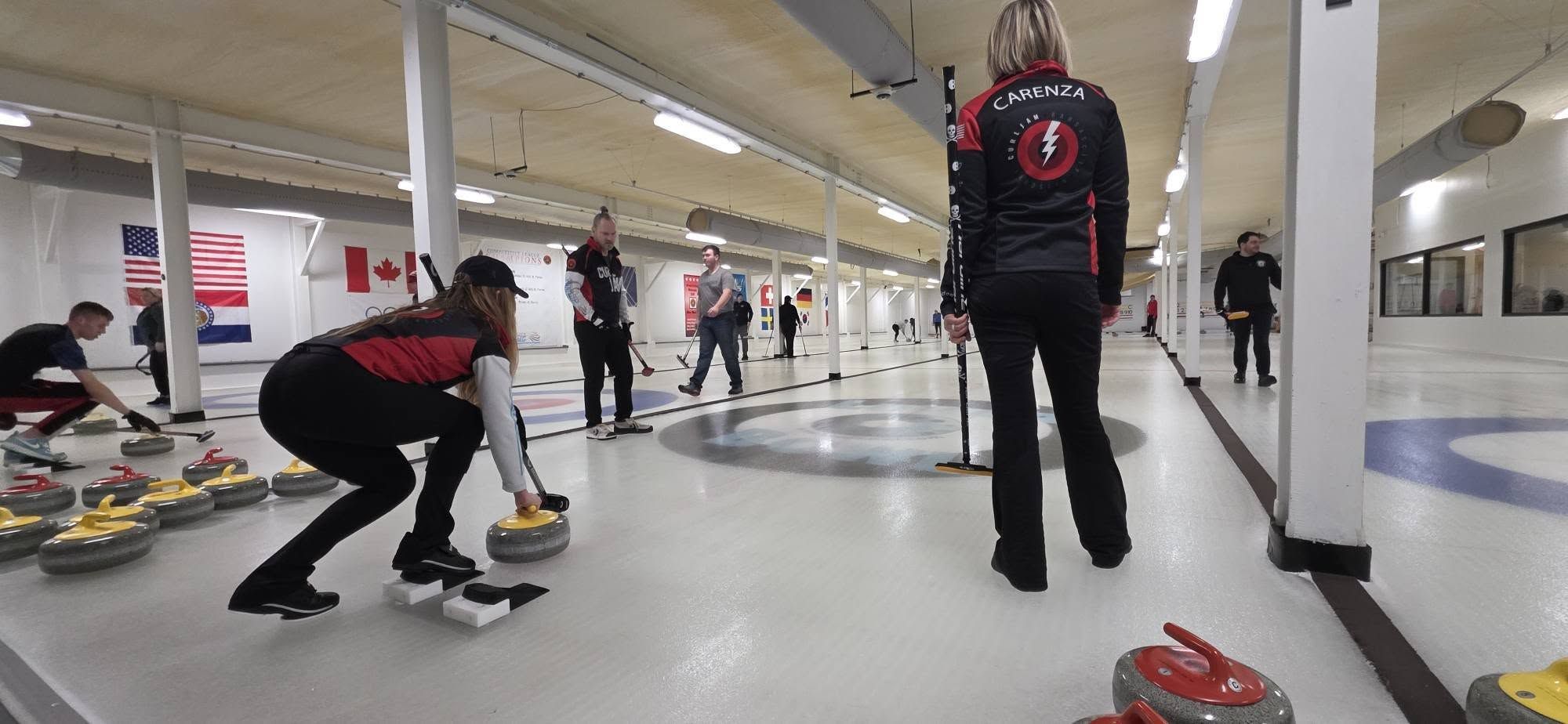
- The name comes from the way the rock arcs as it moves down the ice — a phenomenon that's inspired dozens of scientific papers.
Zoom in: The club hosts Olympic watch parties while juggling packed curling lessons.
- Club president DeeAnn Wlodarski tells Axios they're receiving calls every day from people who saw curling on TV and want to try it.
By the numbers: Nearly 600 people have registered for the club's curling experience lessons in the past month, according to Wlodarski.
- The club had just under 200 league members before the Olympics and hopes to add about 50 more from this surge.
The curling experience is $40 and teaches delivery, sweeping and the basic rules.
- New players can join beginner play without committing to a full season.
- Leagues run in the fall, winter and spring, with discounted rates for first-time players.
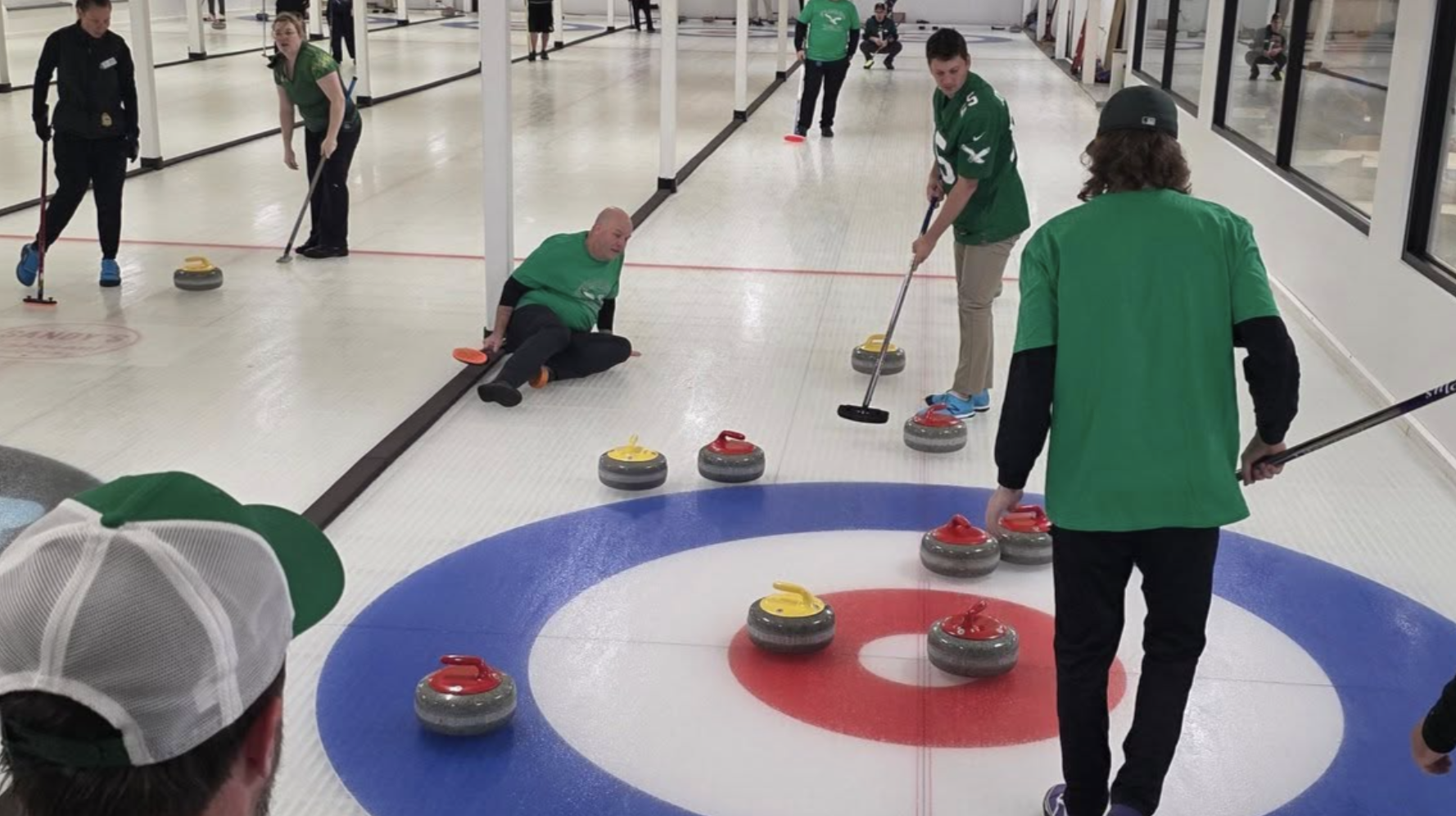
Flashback: Founded in 1987, the club spent decades renting time on hockey rinks before opening its own dedicated facility along I-70 in Blue Springs in 2021.
- Today it operates as an all-volunteer 501(c)(3) with leagues, bonspiel tournaments and corporate rentals.
What they're saying: Many newcomers quickly realize curling looks easier on TV than it feels on ice.
- "The very first thought from newcomers is, 'Oh, this is harder than I expected,'" Wlodarski says.
- "Then they keep coming and they're like, 'OK, I can do this!' They realize how fun it is," she says. "It's not just the curling. It's the community. It makes people stick around."
The bottom line: If you've watched curling at the Olympics and thought, "I could do that," you can join the hundreds of Kansas Citians who already are.
Go deeper: The science behind sweeping