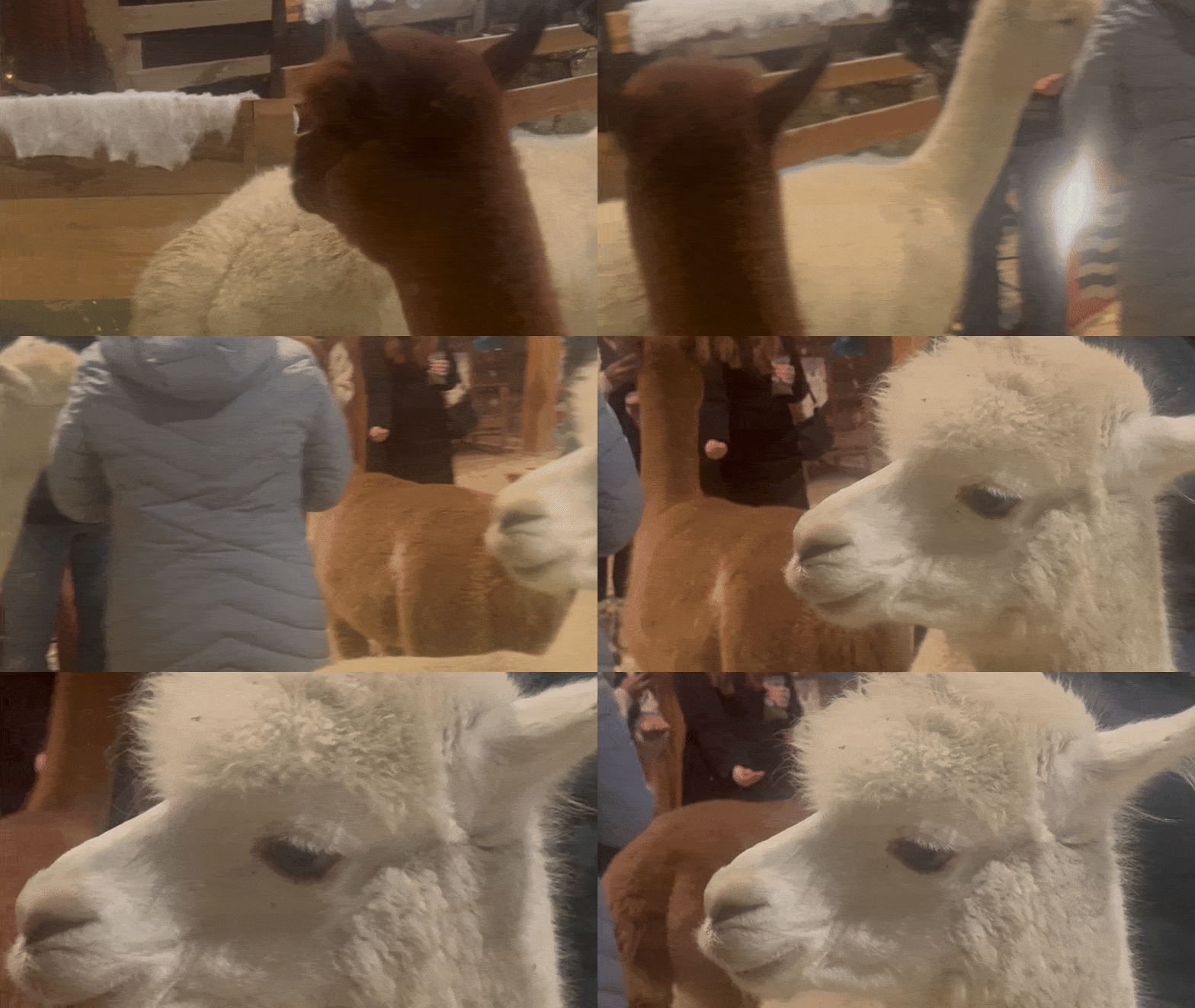
Inside YaYa's Christmas alpaca tour

Add Axios as your preferred source to
see more of our stories on Google.
By sunset, cars line the gravel road outside YaYa's Alpaca Farm as families arrive for 30-minute Christmas tours through barns, festive lights and a pasture of alpacas.
Why it matters: The tours give visitors a rare look at the labor, fiber work and daily care behind alpaca farming while offering a low-key, fuzzy holiday outing.
Catch up quick: Owner Karl Blandin, known as "YaYa," bought his first seven alpacas in 2011 after the death of his wife Angie.
- He says caring for them brought structure to his days, and before long, visitors started asking to come back after their first trip, planting the idea for daily tours.
- Today, he and his wife Kathy, or Mrs. YaYa, care for 77 alpacas and one llama, and the farm draws more than 16,000 visitors annually, with roughly 4,000 of those coming during the holiday season.
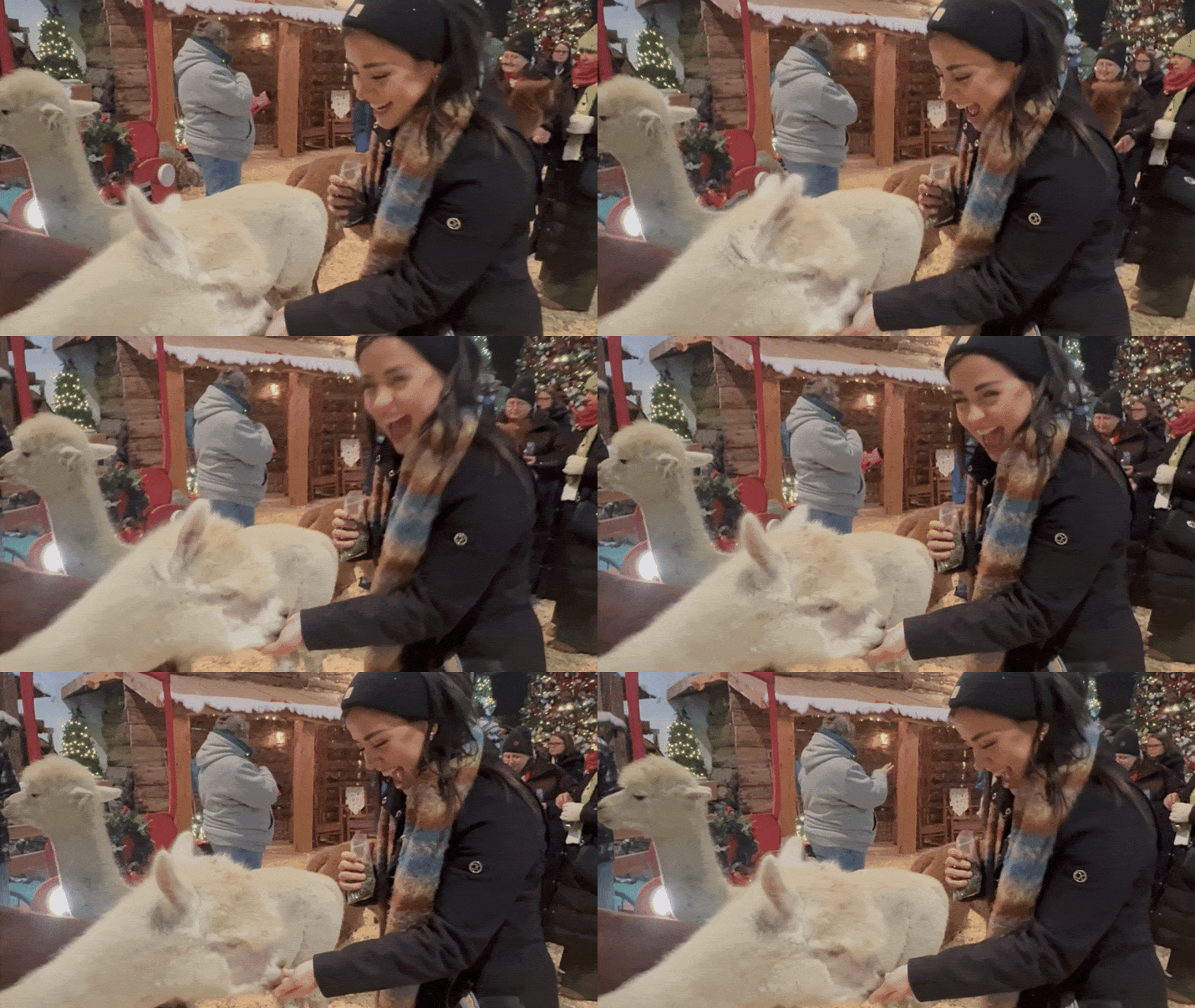
What they're saying: "I wanted people to feel that moment they had as a child, with the lights and joy," Mrs. YaYa tells Axios. "Sometimes you do not feel it again until something unexpected like this brings it back."
- She watches the herd closely. "When one alpaca stays with someone and will not leave, I tell them to honor it. It is rare. They're good judges of character."
How it works: The Christmas tour shrinks the farm's longer daytime visit into a short nighttime walk through lights and decorations and the occasional alpaca wearing a Santa hat.
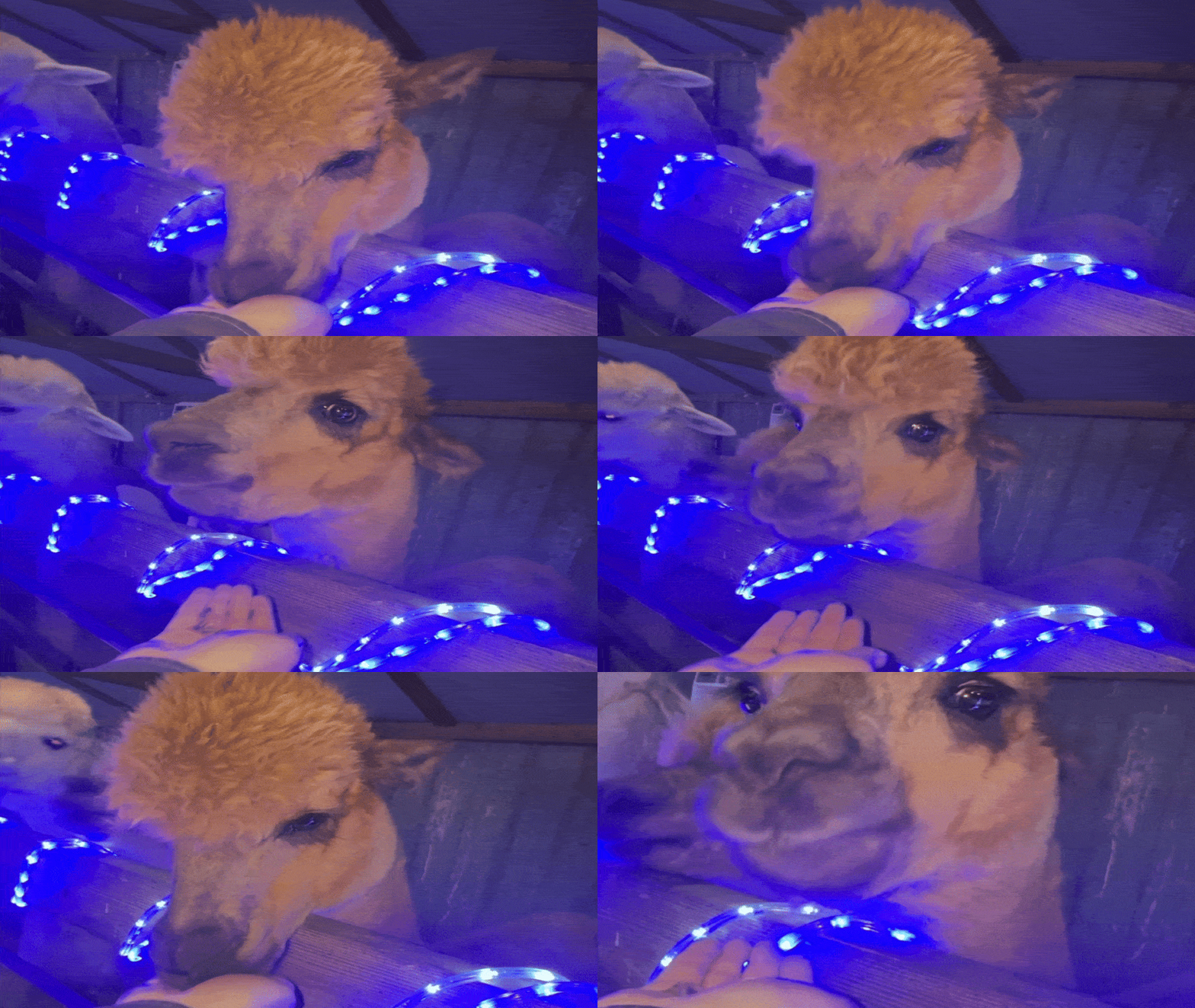
- Before guests meet the alpacas, Mrs. YaYa explains how to move among the animals. She demonstrates the flat-palm feeding technique and reminds kids to avoid petting heads and backsides.
If you go: Tickets cost $10 for ages 14 and up, $8 for ages 3 to 13, and children 2 and under visit for free.
- Evening tours start from 5pm to 7pm through December, shifting around shearing, vet visits and weather.
The bottom line: YaYa's Alpaca Farm offers a holiday stop built on family work, fleece and a herd that greets visitors on its own terms.
- Just watch out — they might spit.