Fewer kids, more retirees in Kansas and Missouri


Add Axios as your preferred source to
see more of our stories on Google.
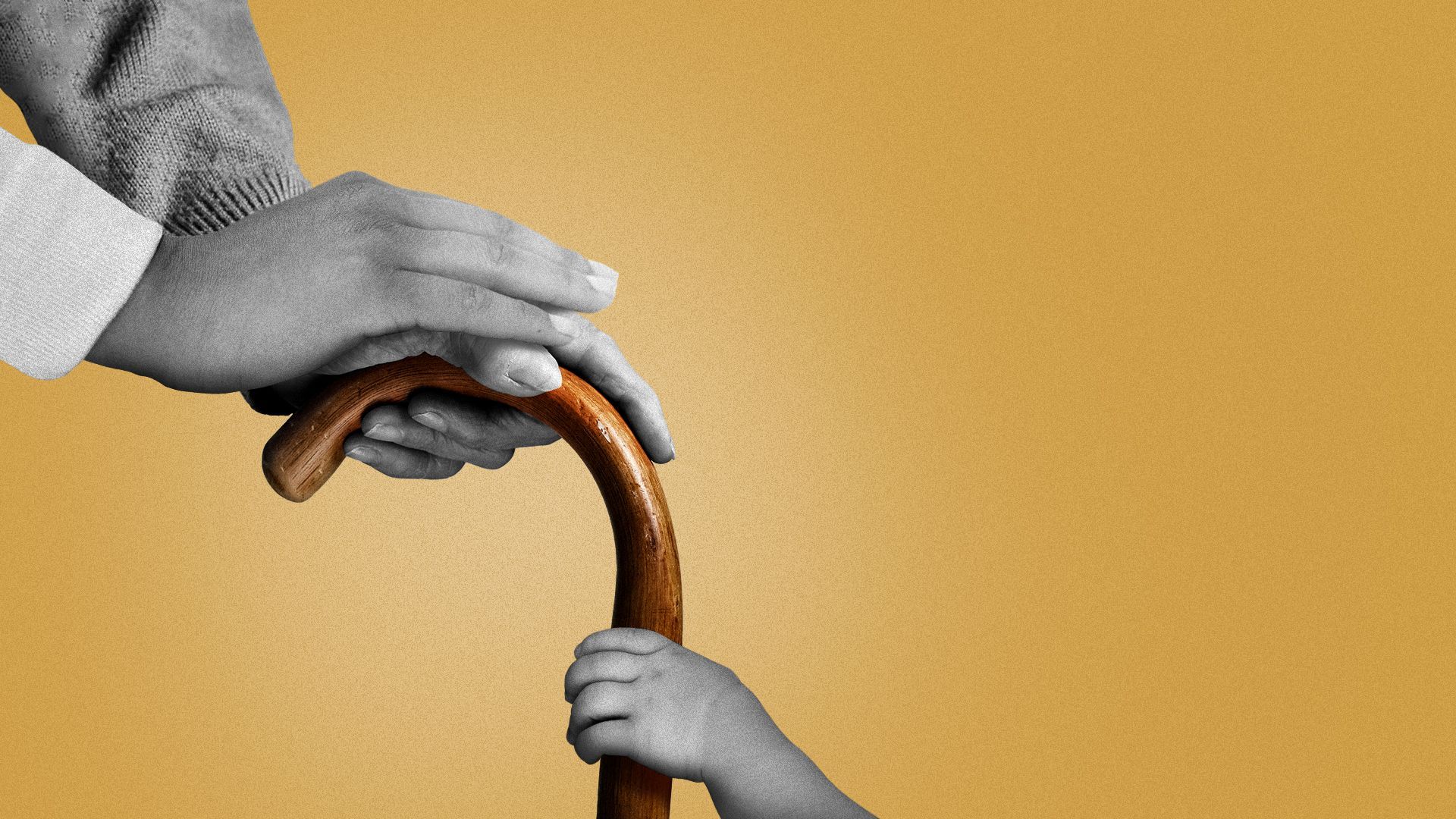
Illustration: Lindsey Bailey/Axios
Kansas and Missouri are getting older, fast. Like much of the country, both states are losing kids and retaining older adults, per new U.S. Census data.
Why it matters: The shift is already reshaping everything from schools to senior care. More older residents means more demand for health services, housing and long-term support, with fewer young people to fill those roles.
Driving the news: The U.S. population aged 65 and up grew by 13% between 2020 and 2024, the Census Bureau says, while the number of those under 18 fell by 1.7%.
- The U.S. median age hit a new record high of 39.1 in 2024, up from 38.5 in 2020.
Zoom in: In Kansas and Missouri, the numbers show the same trend playing out — fewer kids, more older adults.
- Kansas lost more than 22,000 kids between 2020 and 2024, a 3.1% drop in its under-18 population. At the same time, the number of Kansans 65 and older rose by nearly 56,000, up 11.8%.
- Missouri saw a similar shift, with its child population shrinking by 1.7% while adding more than 120,000 older adults; an 11.5% jump.
Zoom out: There are now 11 states with more older adults than children, up from only three in 2020.
- They include Maine, Vermont, Florida, Delaware, Hawai'i, Montana, New Hampshire, Oregon, Pennsylvania, Rhode Island and West Virginia.
What they're saying: The gap between children and older adults "is narrowing as baby boomers continue to age into their retirement years," Lauren Bowers, chief of the Census Bureau's Population Estimates Branch, said in a statement accompanying the new data.
- "In fact, the number of states and counties where older adults outnumber children is on the rise, especially in sparsely populated areas."
Between the lines: The latest findings could fuel "pronatalist" beliefs driven partially by fears of economic decline.
- Pronatalism — increasingly common especially in some right-wing circles — frames procreation as a patriotic act and civic duty.
Yes, but: Having kids is an expensive affair, especially for those who need full-time care, don't get parental leave, and so on.
Policy changes can only do so much to fix that — and fewer Americans just straight-up don't want kids.
The bottom line: America's not getting any younger.