NDAA's Redstone construction impact

Add Axios as your preferred source to
see more of our stories on Google.
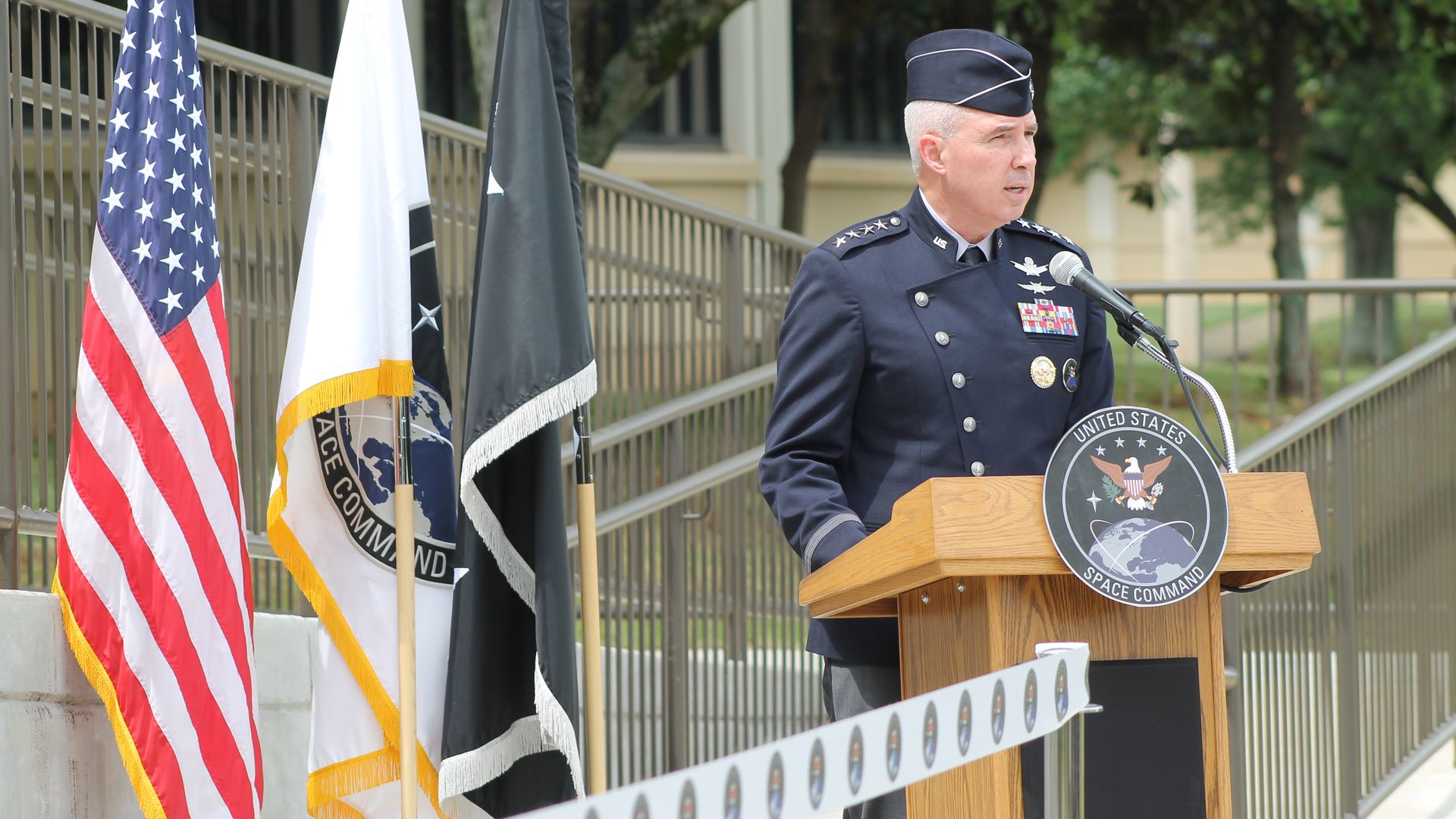
Congress is currently chewing on the largest bite of defense spending in its history.
Why it matters: The National Defense Authorization Act is the Pentagon's annual spending playbook, and for the Pentagon of the South, it has far-reaching implications.
Catch up quick: The House passed the $1.15 trillion NDAA in a mostly party-line vote last week, 216-212.
- The Senate still must pass its version, and the two reconciled before that package is ultimately voted on and sent to President Trump's desk.
By the numbers: Redstone Arsenal is earmarked for $2.05 billion for the Air Force to "acquire real property and carry out military construction projects."
- Of that total, per the Air Force, the U.S. Space Command headquarters project is earmarked for $450 million, with $250 million for a Space Force Operational Facility in the upcoming fiscal year.
Context: That project is set to break ground next year, and finish up between 2030-2032, even as a lawsuit trying to stop Spacecom's relocation is still outstanding.
- Spacecom is already working on the arsenal out of two locations, with plans to have around 200 personnel in place by the end of the year.
- Colorado's lawsuit challenging the move is still in play, with a Dec. 4, 2026 deadline set for the parties to file motions.
Zoom in: Redstone is also set for $90 million for the Huntsville-led Energy Resilience and Conservation Investment Program, which funds projects aimed at ensuring uninterrupted energy and water delivery at installations.
- Part of that is microgrids, localized energy systems that can operate independently from the main grid, of which 18 projects are currently in development.
Zoom out: The Army is focused on bolstering the domestic industrial base, with Army Under Secretary Michael Obadal telling a crowd in Huntsville earlier this year that "an unbreakable connection must exist from the factory to the front line."