Nuisance or entrepreneur? Charlotte could criminalize street vending

Add Axios as your preferred source to
see more of our stories on Google.
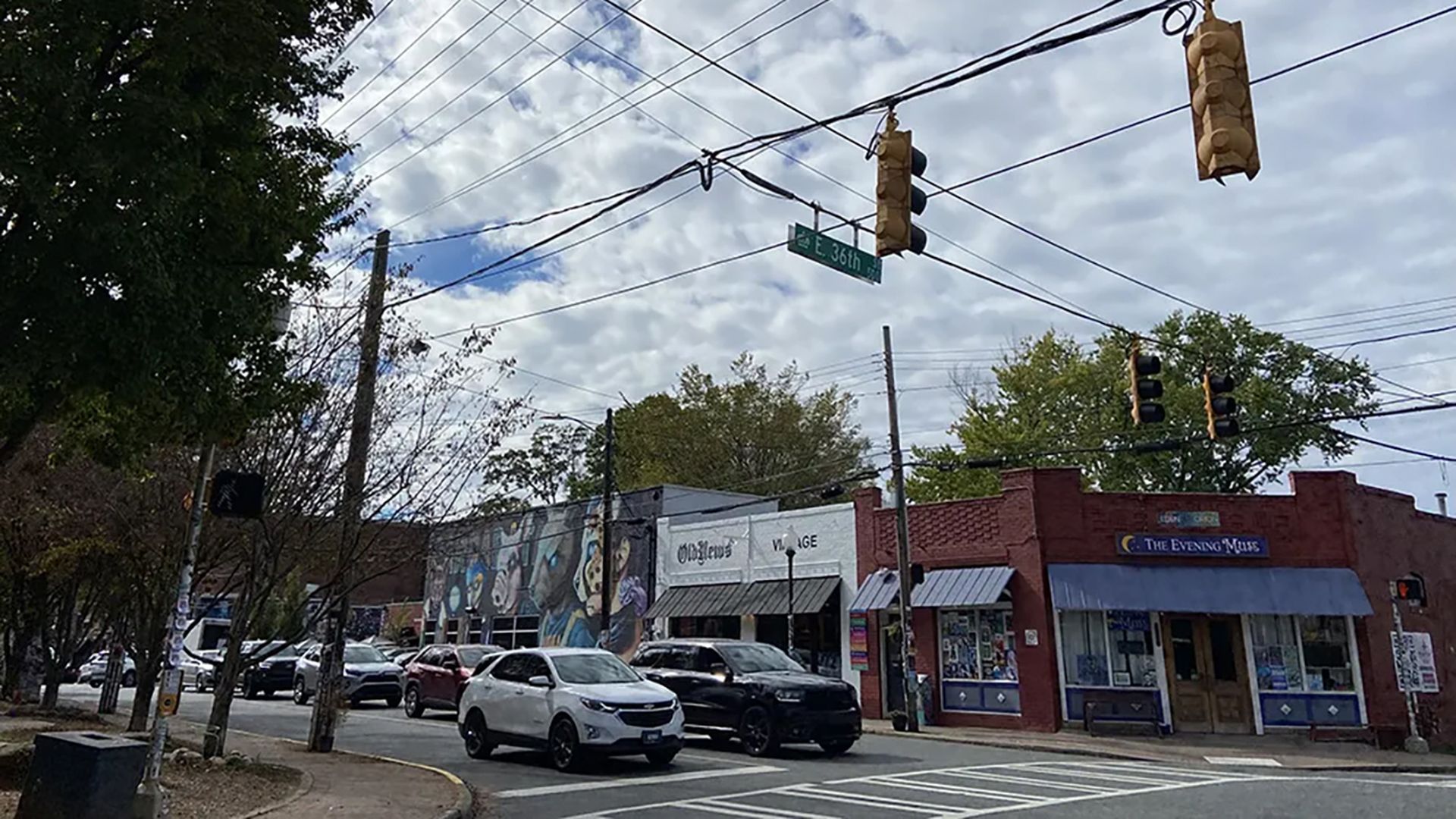
Photo: Alexandria Sands/Axios
Charlotte leaders are considering expanding street-vendor regulations citywide, including criminal penalties for repeat violators, following a crackdown in NoDa.
Why it matters: Complaints that led to the ban in the artsy NoDa neighborhood are spreading to South End, forcing leaders to balance support for entrepreneurship against quality-of-life concerns from businesses and residents.
The big picture: Brick-and-mortar businesses say vendors are blocking their walkways and creating safety issues, without having to meet the same health requirements or tax obligations.
- One pizza shop owner told Axios South End turns into the "South End State Fair" on weekend nights.
- But others argue that the vendors contribute to the city's culture and give people an avenue to launch a business.
- "The word 'criminal' is kind of too strong for me, for someone whose real intention is, 'How do I become an entrepreneur?'" council member James Mitchell Jr. said in a council committee meeting on Monday.
Catch up quick: In February, the city ended a pilot program in NoDa that attempted to regulate vendors with permits.
- The end of the pilot essentially emptied the neighborhood of people selling art, clothes and food overnight, making it illegal to operate there.
Zoom out: City leaders last year increased the fine for violating street vending rules from $10 to $50, depending on the location, to a maximum of $500.
- Council member Ed Driggs calls the city's existing policies "toothless." He refers to the fine as a "business expense" for the vendors.
- CMPD Captain Christian Wagner backs this up. He says some vendors in South End are acting with impunity: "There are those that are out there that are like, 'Give me the ticket' because they know there's no recourse."
Between the lines: City Council's safety committee voted Monday to advance a proposal for creating a Class 3 misdemeanor, which would likely only be triggered after a vendor's third or fourth violation.
- CMPD would need to develop an effective tracking system because, as of now, officers can't tell for sure who is and isn't a repeat offender.
What's next: The full City Council must vote on the committee's recommendation at a later date before anything is final.