Take a tour of Charlotte's first four-year medical school

Add Axios as your preferred source to
see more of our stories on Google.
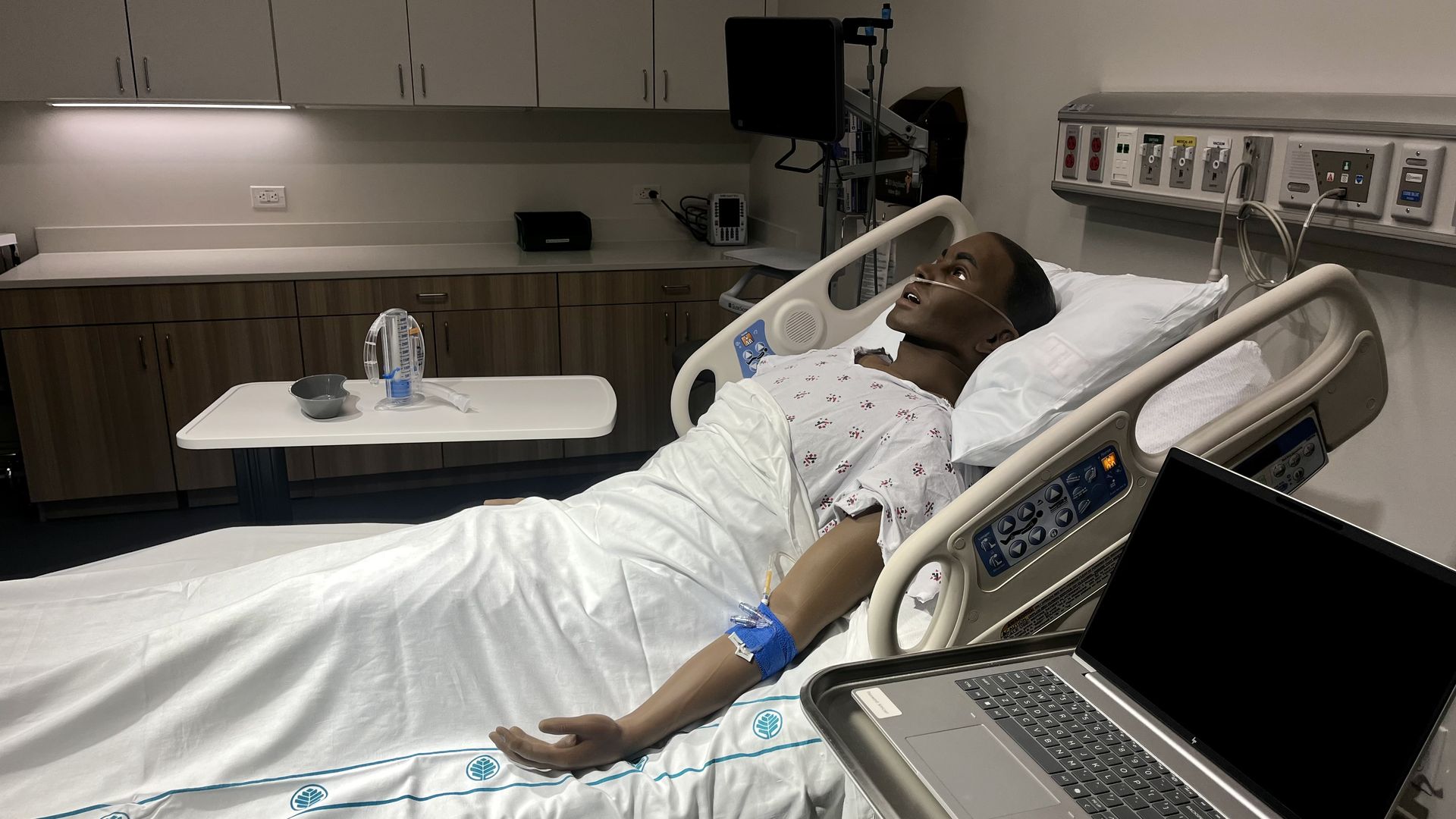
Photo: Alexandria Sands/Axios
Charlotte's first four-year medical school welcomed its inaugural class of 49 students — some of the best among 12,801 applicants — to its campus at The Pearl this week.
Why it matters: Until now, Charlotte was the largest U.S. city without a four-year medical school. Wake Forest University School of Medicine's Charlotte campus is at the heart of The Pearl, a $1.5 billion development expected to turn the midtown neighborhood into a magnet for health care experts and bolster the region's access to quality care.
- "A school is more than just the students," said Roy Strowd, vice dean for undergraduate medical education. "It's the entire ecosystem that's around that school. It's the research, the innovation, the entrepreneurship."
- About one-third of Wake Forest medical students stay in North Carolina after graduation, according to the university.
Between the lines: The Charlotte curriculum will follow a unique "problem-based learning framework," Strowd explained during a tour of the campus.
- Instead of beginning with traditional foundational science lectures, students will be assigned a clinical case on their first day.
- "They dive into the way the body works from that clinical case," Strowd said. "We are starting from day one, training our students to really think like a physician."
By the numbers: Over a third of the inaugural Charlotte class is from North Carolina. The average age is 24.
- At its Winston-Salem campus, the Wake Forest University School of Medicine accepted almost 150 first-year students this year from the 12,801 pool.
What's next: Enrollment at the Charlotte campus is expected to grow to 100 students per class over the next five years.
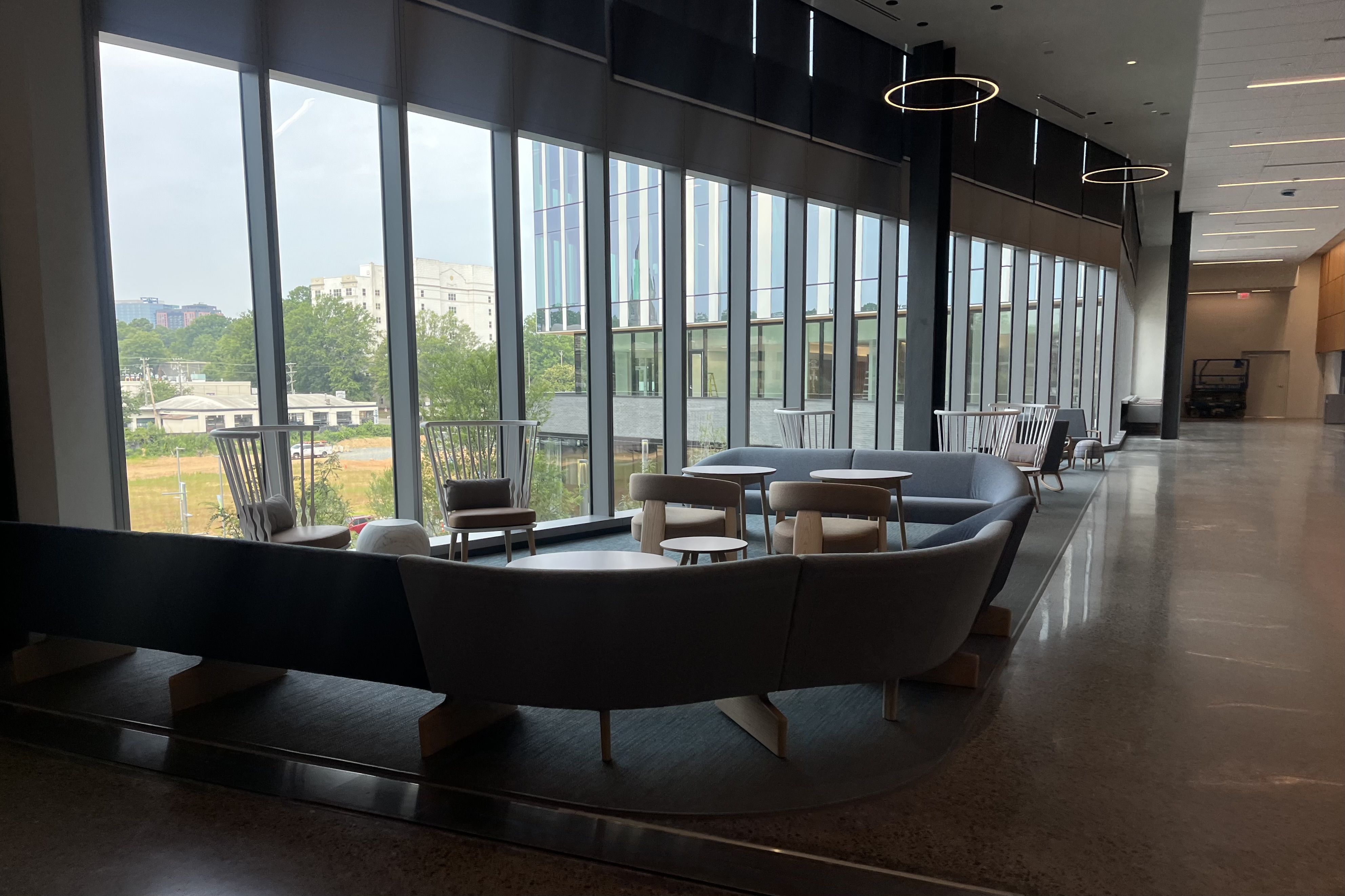
Take a look around.
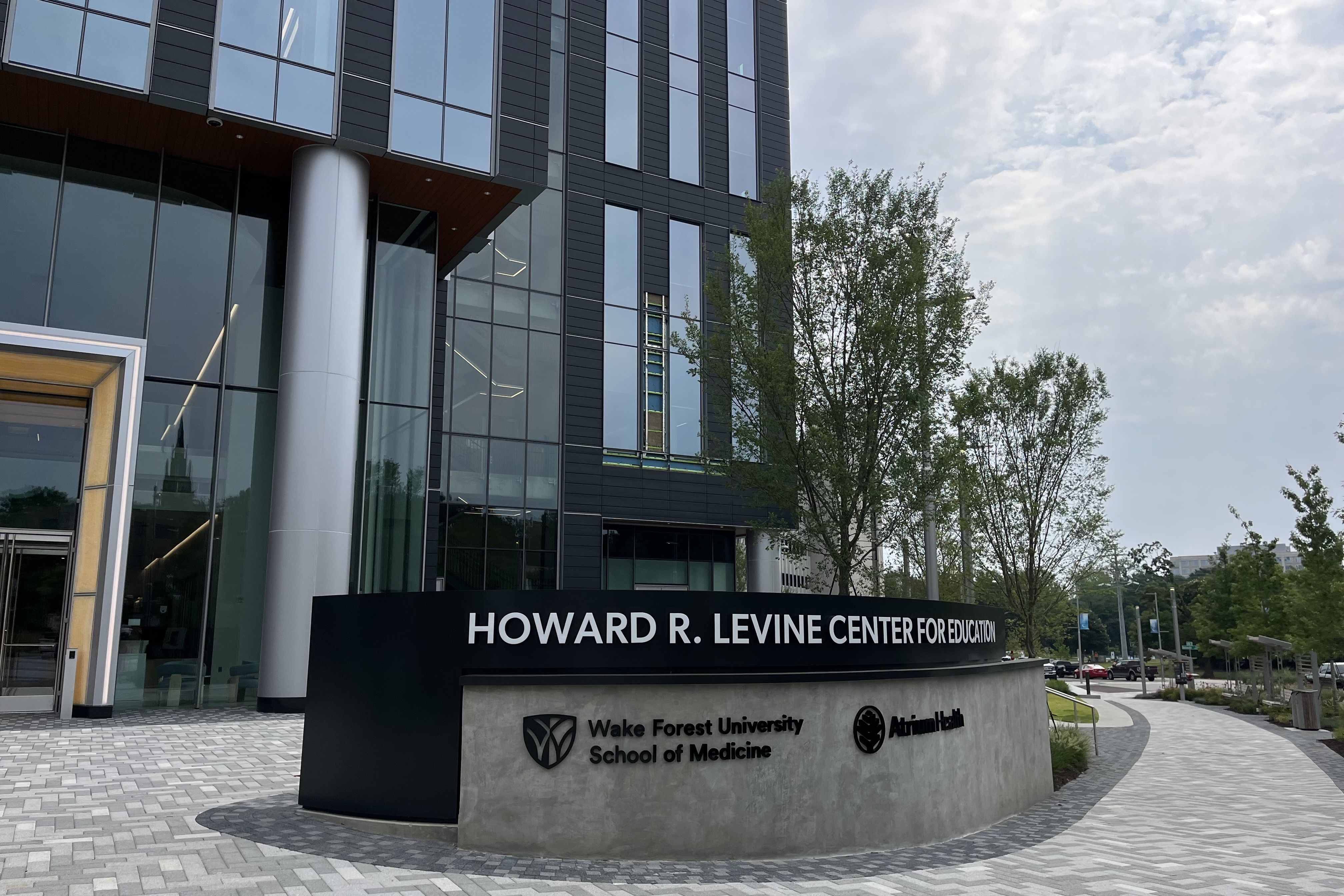
The medical school anchors the newly built Howard R. Levine Center for Education at 905 Pearl Park Way, near Metropolitan.
- The 14-floor, 393,000-square-foot academic building is also home to the Carolinas College of Health Sciences, Wake Forest's School of Professional Studies and the School of Business.
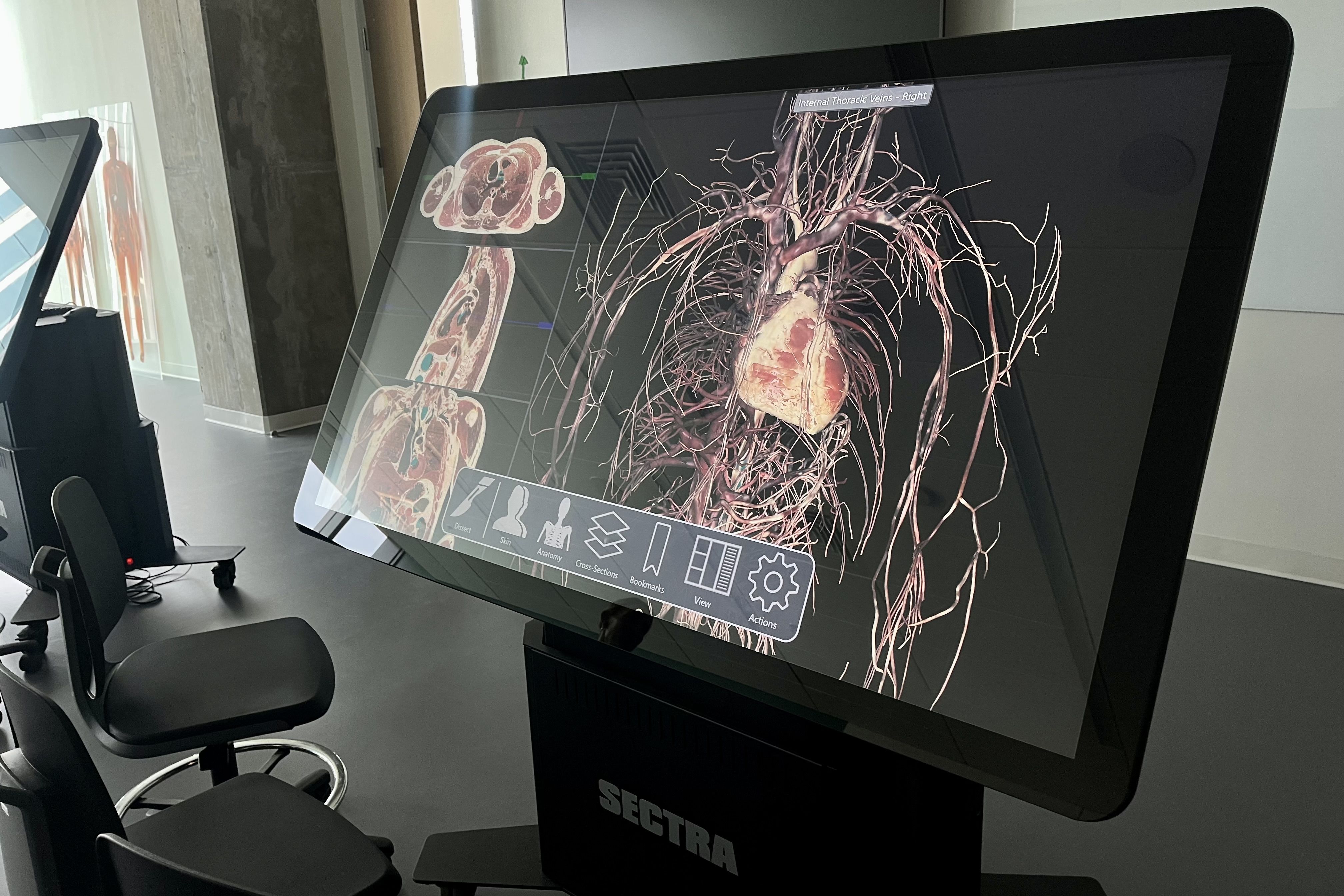
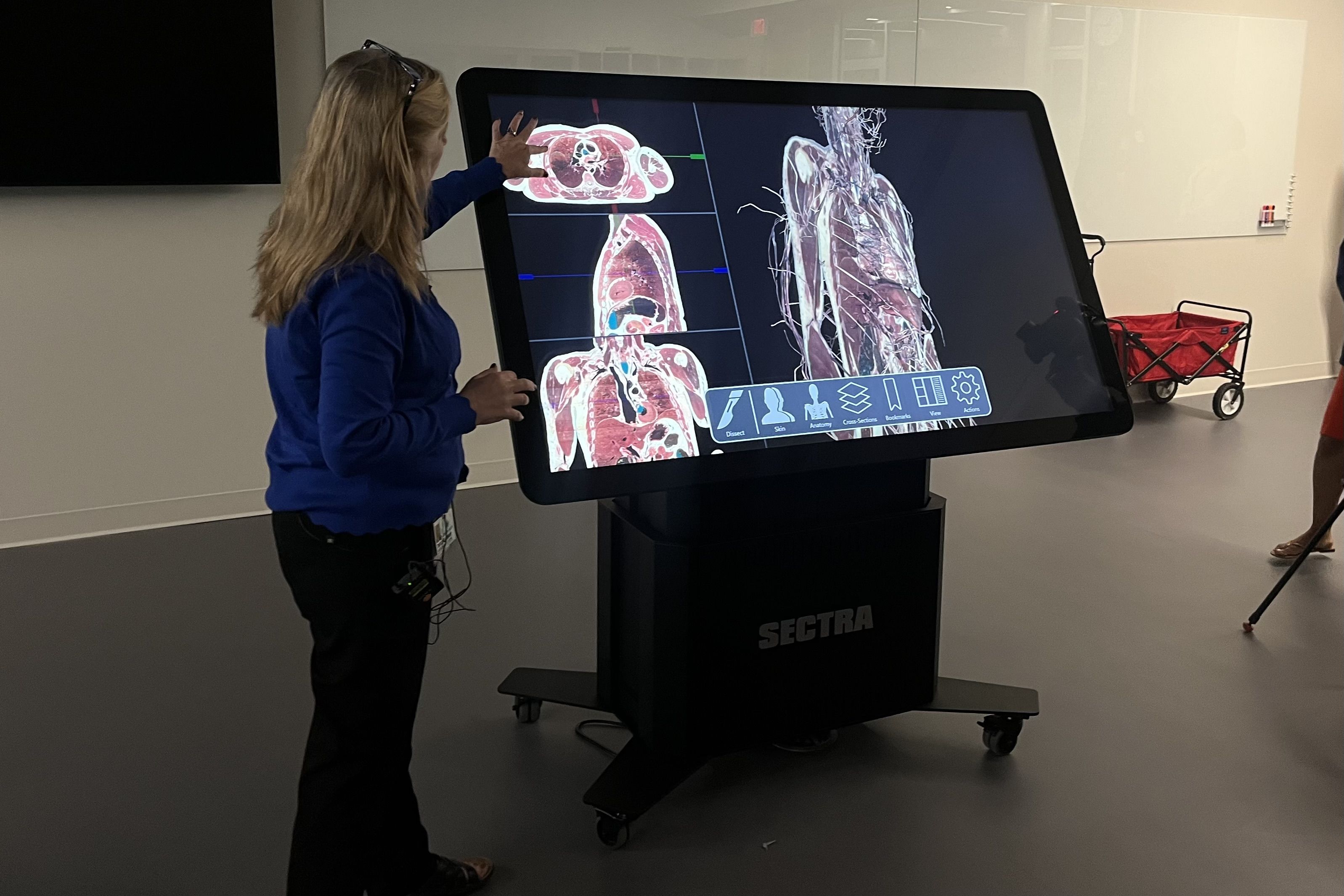
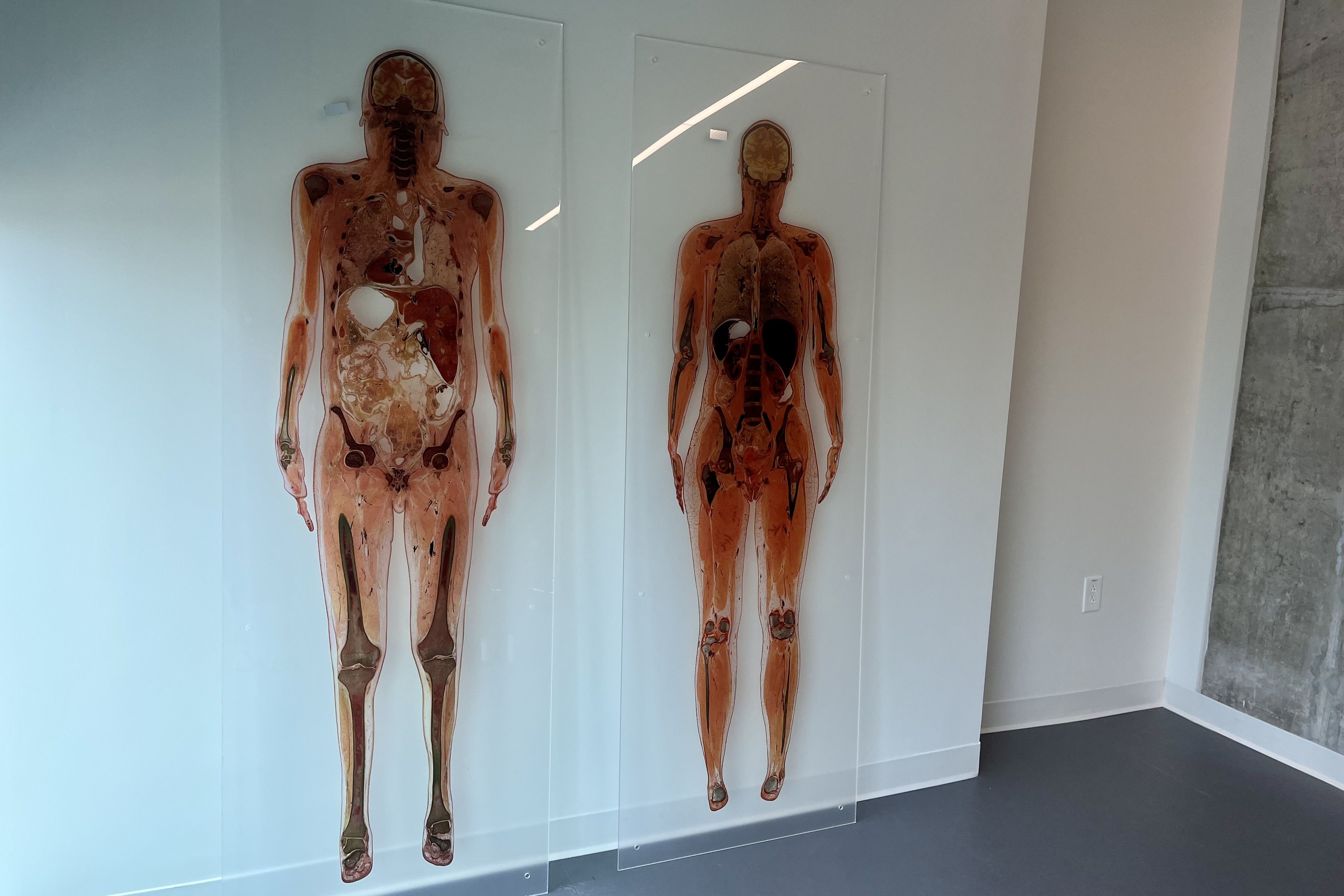
In the digital and virtual anatomy laboratory, students can study the human body with a 3D model on Sectra Table touchscreens.
- Students will rotate between this virtual lab and a plastinated donor laboratory with real human tissues.
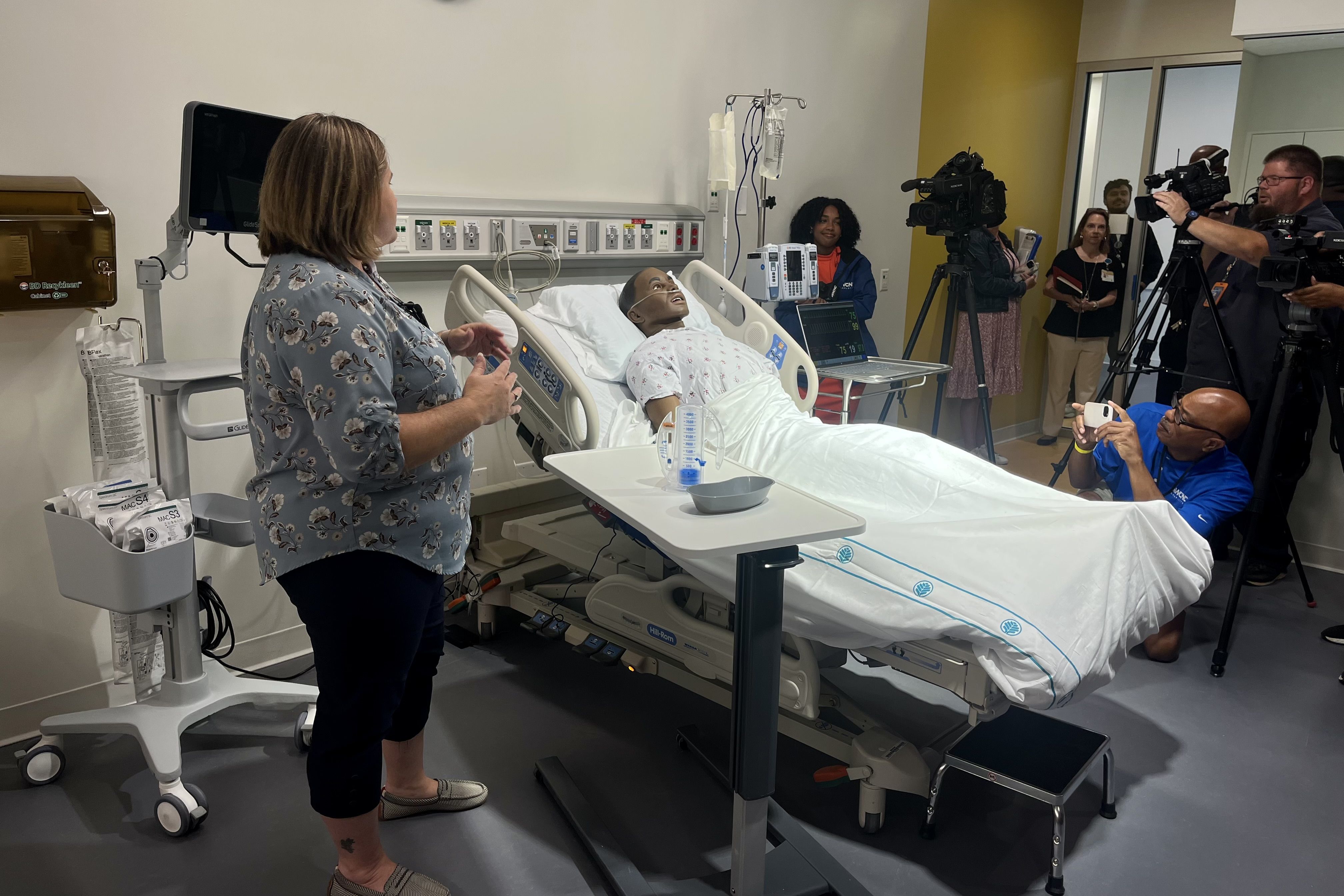
The campus's high-fidelity simulation spaces have realistic manikins that can display vital signs, blink, talk and have "all kinds of things go wrong with [them]," says Jennifer Noble, a simulation education manager.
- Medical, nursing and health science students will all use the space to practice interacting with patients and responding to situations, such as putting a breathing tube in the manikins.
- "A first-year medical student is not going to see the sickest of the sick because we have to keep our patients safe," Noble says. "But here we can challenge them to go above where they are."
- The school has manikins in all shapes and sizes, from premature babies to adults.
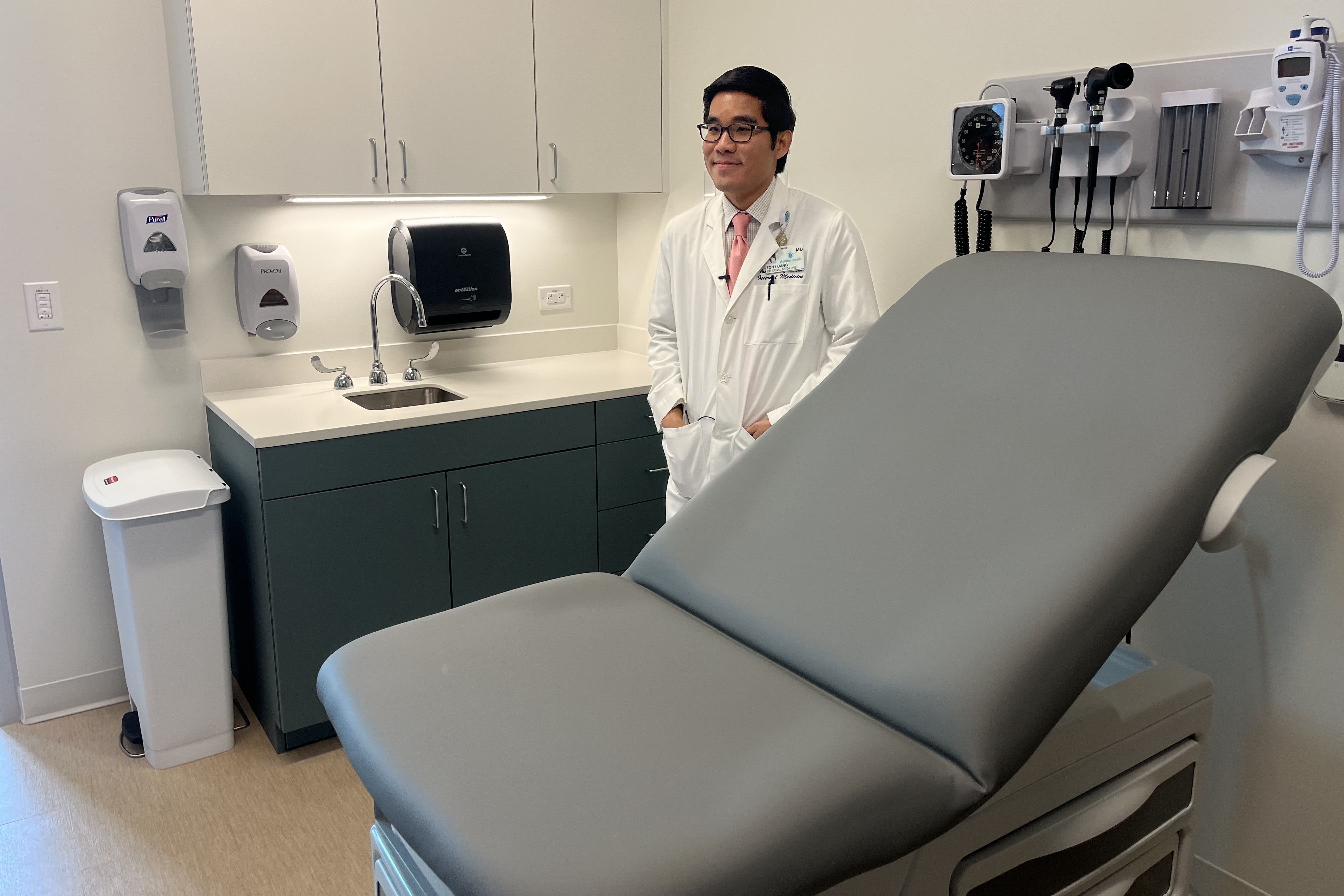
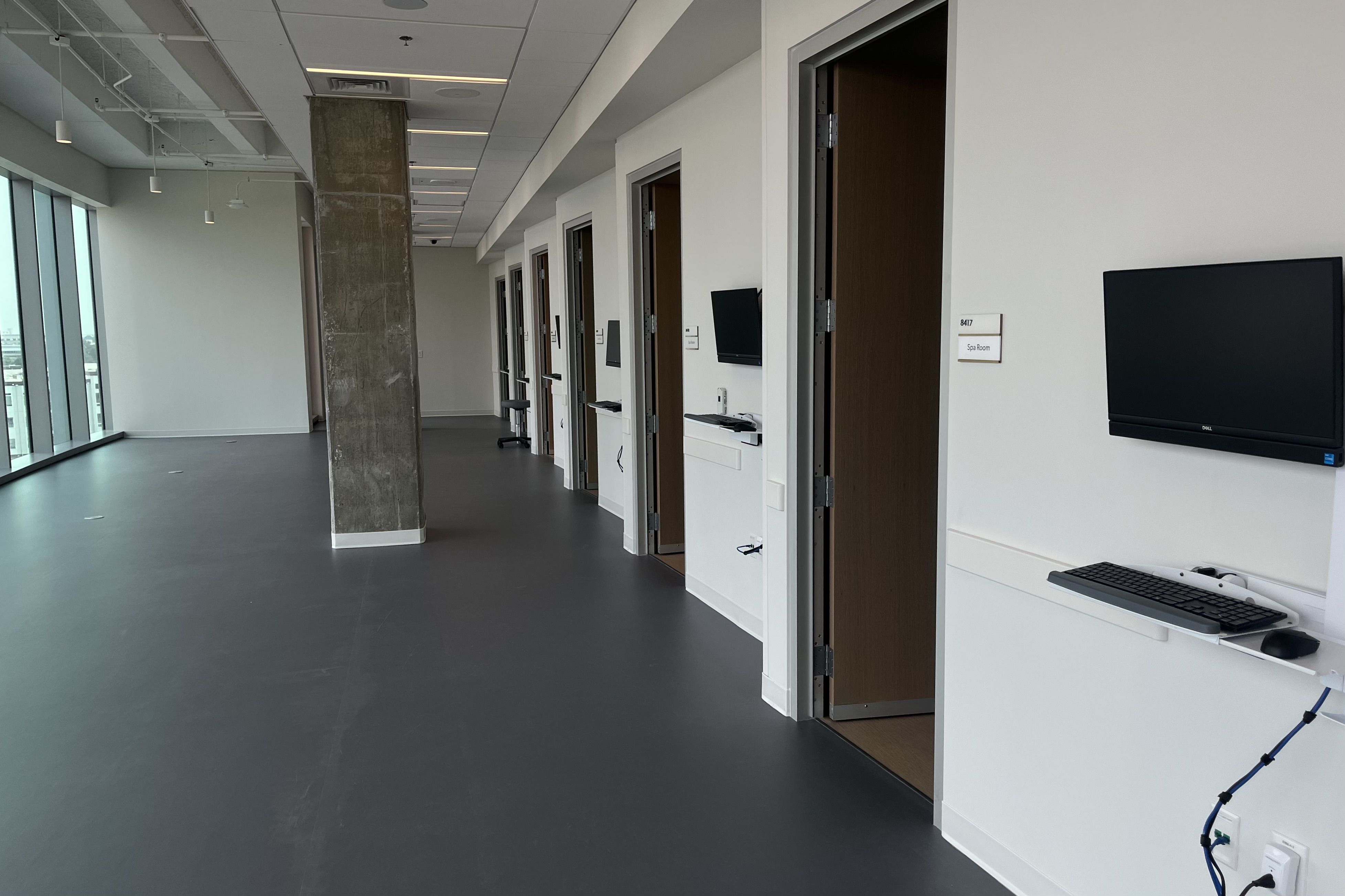
During the first two years of medical school, students go through an immersive curriculum to learn how to interact with patients. The campus has rows of rooms where students can practice.
Go deeper: See inside The Pearl, home to Charlotte's first medical school