What's planned for CPCC's expansive first responder training facility in Matthews

Add Axios as your preferred source to
see more of our stories on Google.
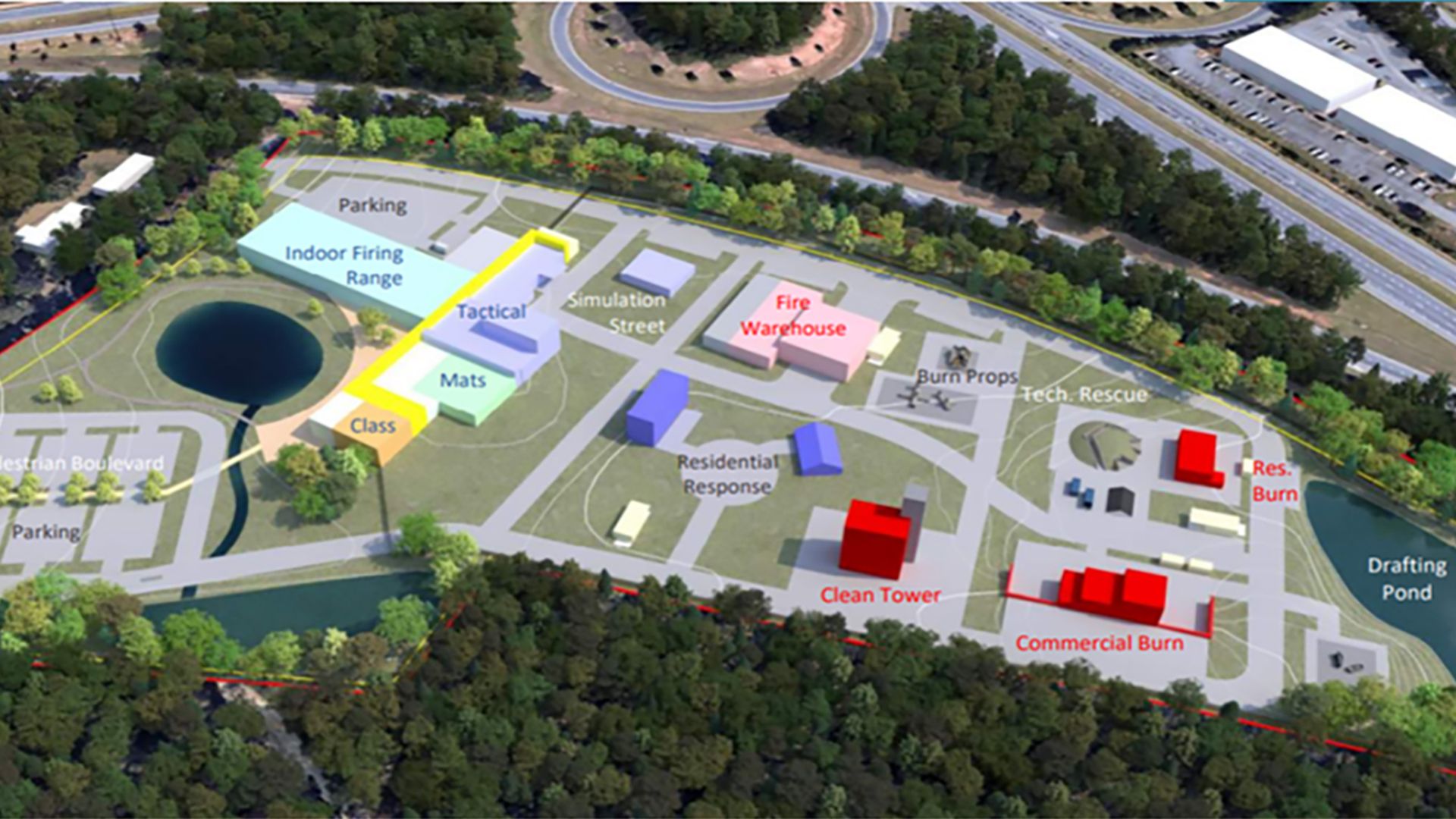
Site map for the facility area. The design is subject to change. Courtesy of CPCC
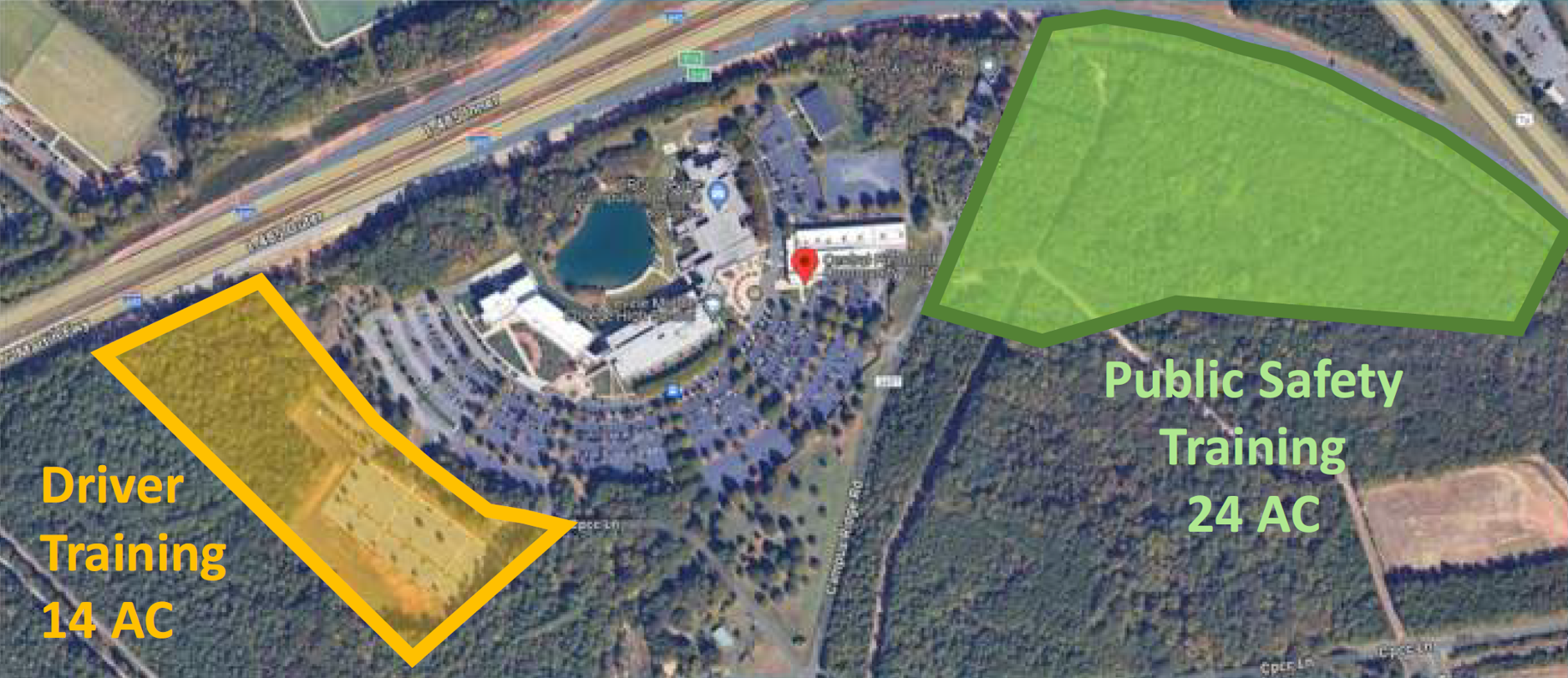
Central Piedmont Community College is preparing to build a 24-acre first responder training facility in Matthews — complete with an obstacle driving course, firing range and replica village for real-world simulations.
Why it matters: CPCC says the facility will help address the first responder shortage and ensure cross-agency training is happening in Mecklenburg County between police, fire and rescue, and other responders.
- It also keeps responders close to home in case of a major emergency. Currently, many travel outside Mecklenburg County for training, CPCC's VP of communications Catherine Butler tells Axios.
- The facility will train both active first responders and CPCC students pursuing careers in public safety.
Catch up quick: In June, CPCC announced Hendrick Automotive Group had donated the land adjacent to CPCC's Levine Campus for the project, called the Community Lifeline Initiative.
- The facility is in the final planning stages, although a groundbreaking hasn't been set.
- The first phase is expected to open in 2027, with the entire facility slated for completion in 2028.
By the numbers: CPCC has a $118 million budget for the facility, with most of the funding set aside by Mecklenburg County. That price tag could fluctuate as phases go out to bid and construction costs are finalized.
The facility will include:
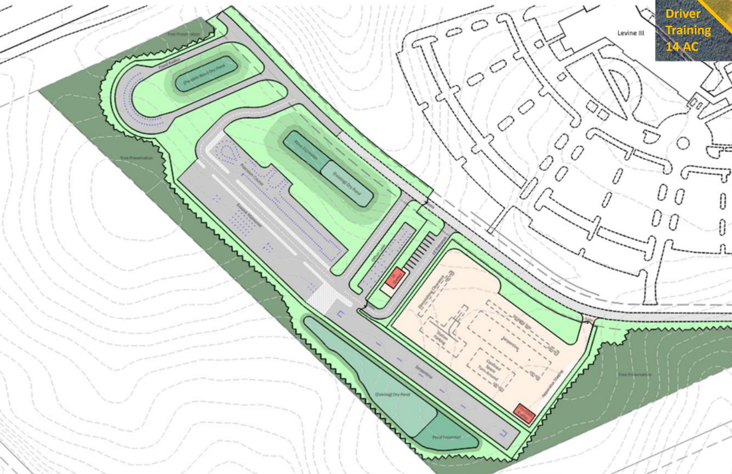
- A driving course on an existing 14 acres of CPCC property, where responders will practice maneuvering fire trucks, ambulances and other vehicles.
- A scenario training village with single-family homes and a replica convenience store, as well as buildings to practice putting out fires.
- A firing range that will help law enforcement meet training requirements. CPCC says there will be layers of security across the facility, such as limited badge access.
- Virtual reality and drone training as part of the programming.
The big picture: Especially since the Black Lives Matter movement, opposition to large law enforcement training facilities has grown. Critics often refer to these facilities as "cop cities."
- In Atlanta, a massive protest against a police and fire training center has lasted years. Opponents argue the project will lead to the militarization of the police and are concerned about the loss of forestland.
The other side: Locally, a small opposition has emerged against the facility at CPCC, with an Instagram page called "Stop Cop City CLT." Critics are concerned about the trees being torn down and a firing range on campus.
- CPCC will preserve about 20% of the trees on the 23- to 24-acre section of the facility.
- "We really do believe that this is a benefit to the community," Butler says, "and also something that our communities need as they continue to grow."
What's next: CPCC is working with agencies, such as the Charlotte-Mecklenburg Police Department and Charlotte Fire Department, to plan the facility and determine what is needed for their training.
- With the added capacity, CPCC will expand its programs, particularly its basic law enforcement training.
What they're saying: In a statement to Axios, CMPD Chief Johnny Jennings called the facility a "groundbreaking effort for Mecklenburg County on several levels."
- "Investing in the training and development of the next wave of first responders is imperative for the well-being of our community," Jennings said. "Those entering college should be inspired to seek accessible, rewarding careers in public service with the best agencies in the nation."