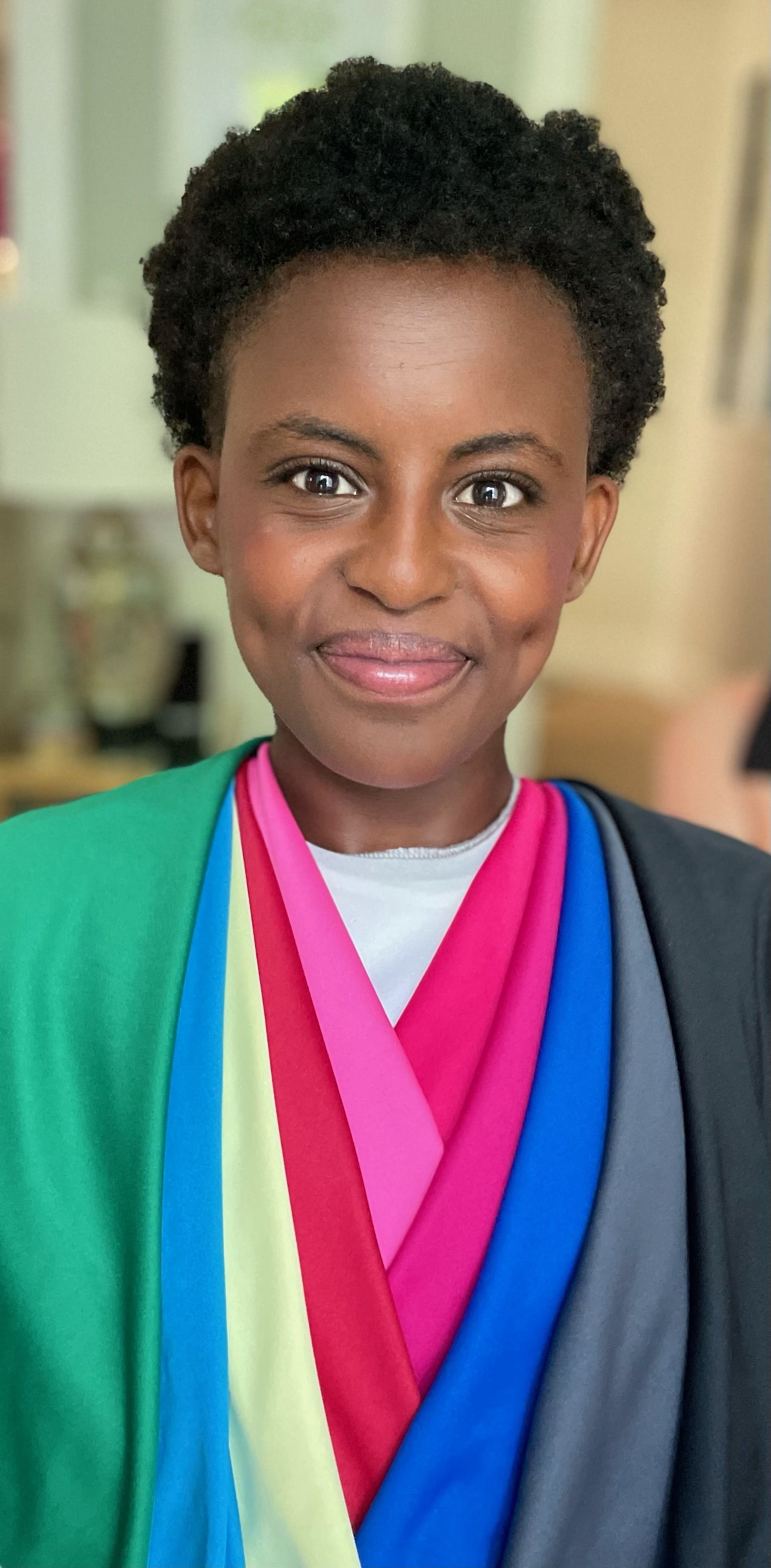
Color analysis is taking TikTok and Charlotte by storm

Add Axios as your preferred source to
see more of our stories on Google.
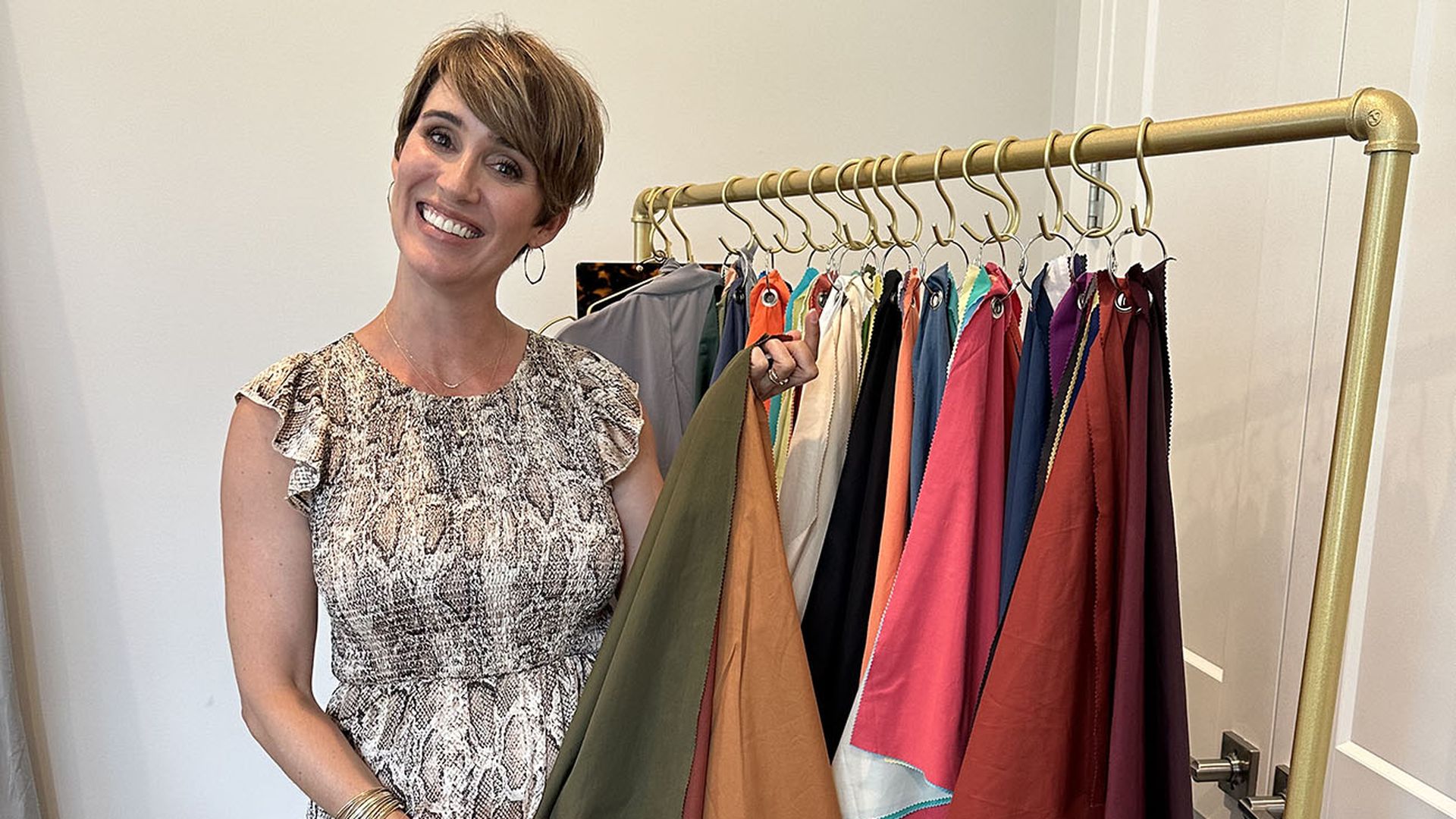
Bianca Miller, a color analyst and owner of The Colorworx Studio in Waxhaw. Photo courtesy of Bianca Miller
Scroll through TikTok and you'll find plenty of content about color analysis, which determines the colors that most effectively complement a person's natural beauty, including skin, eye and hair color. The hashtag "color analysis" has more than 321M posts.
Why it matters: Knowing the appropriate colors for your makeup and clothing can bolster your whole aesthetic, experts tell Axios.
Context: Though it feels like it's suddenly everywhere all at once, color analysis isn't new.
- Color Me Beautiful, a national cosmetics company, first introduced the concept in the '80s, grouping clients into the four seasons and prescribing them a corresponding color palette with shades that complemented them.
- You might have heard your mom or grandma discussing "being a winter" or "being a spring."
- Over the years, color analysis has evolved.
Zoom in: Most experts now use between four and 12 tones to categorize their clients.
- This is important, as two-thirds of the population wouldn't accurately fit into just one of the four seasons, says Bianca Miller, a color analyst and owner of The Colorworx Studio in Waxhaw.
How it works: Miller factors in her clients' hue (how warm or cool your skin is), value (how light or dark you are), and chroma (level of saturation of the color). Most color analysis works more or less like this.
- Hair and eye color contribute to your palette, but ultimately it's your skin's undertone that determines how you respond to a color.
- This means two blondes with blue eyes could end up in different seasons.
Of note: Color analysis works for any skin tone, gender, and age.
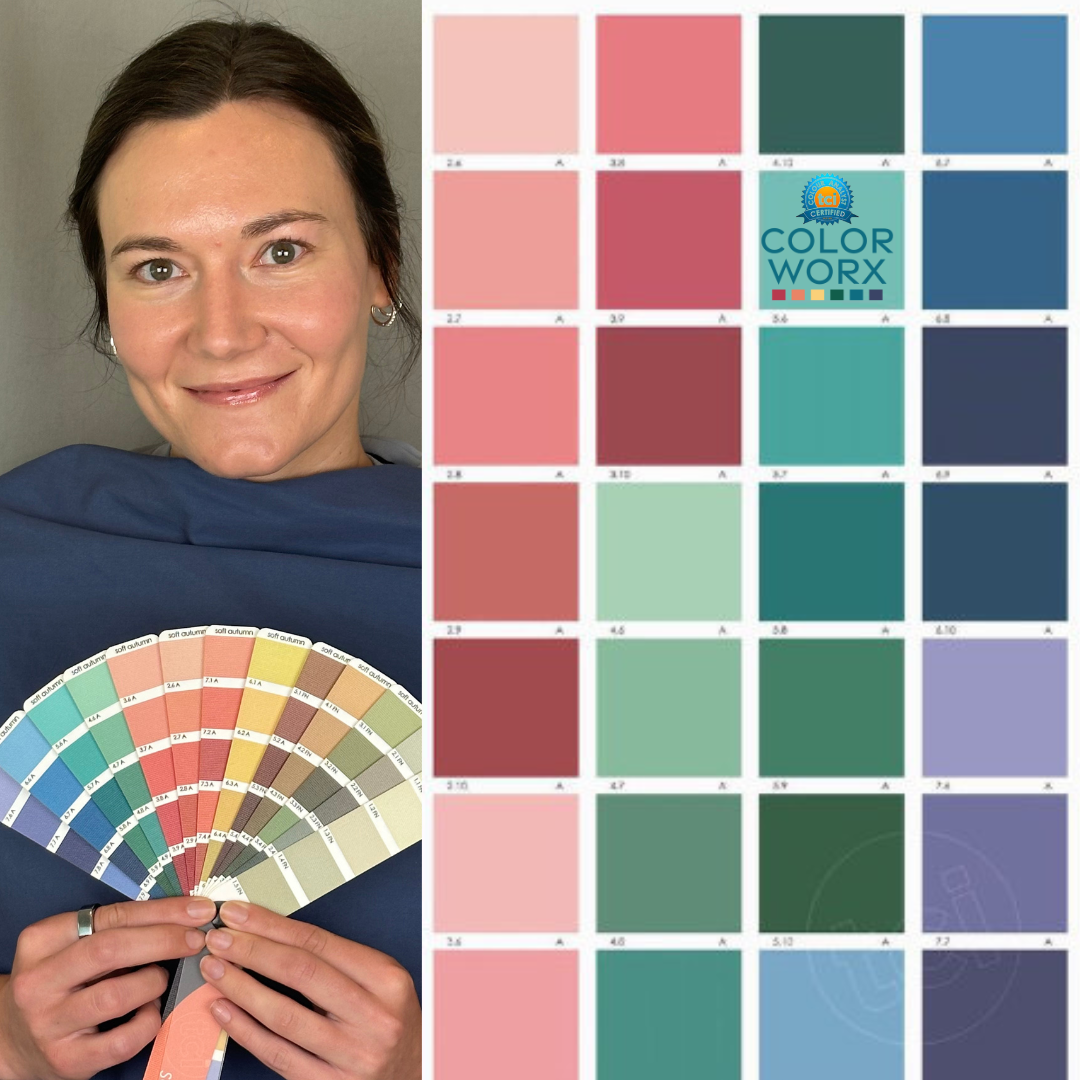
What to expect: A color analysis session takes between two and three hours.
- You'll arrive makeup-free and without a spray tan or sunburn.
- The consultant will cover you with a neutral-colored cape so your clothes don't skew the results. Most analysts will cover your hair, too.
- Using natural light or lighting that simulates sunshine, the analyst will watch how your skin responds to a range of colors and shades.
- This is typically done by draping you in a series of colored capes — the visual you see often on social media.
- The results determine your season, which yields your ideal palette.
- When the session is complete, you receive a fan of color swatches from your palette.
- Your analyst will also provide recommendations about hair color, clothing, jewelry, and makeup choices.
Cost: Sessions typically cost between $300 and $400.
What they're saying: "Being in the right colors for your skin can make you look kinder, more approachable and more youthful. I call it 'color Botox.' When you're in the right color, you'll see fewer wrinkles and less darkness under the eyes," says Jennifer Traynor, a color and style consultant who owns House of Colour Charlotte Center City.
- Knowing your ideal color palette also makes shopping easier and more cost-effective.
- "You can eliminate 85 to 90% of what you see based on color alone. You're only buying things that look good on you," says Katie Knoblach, a certified custom color analyst.
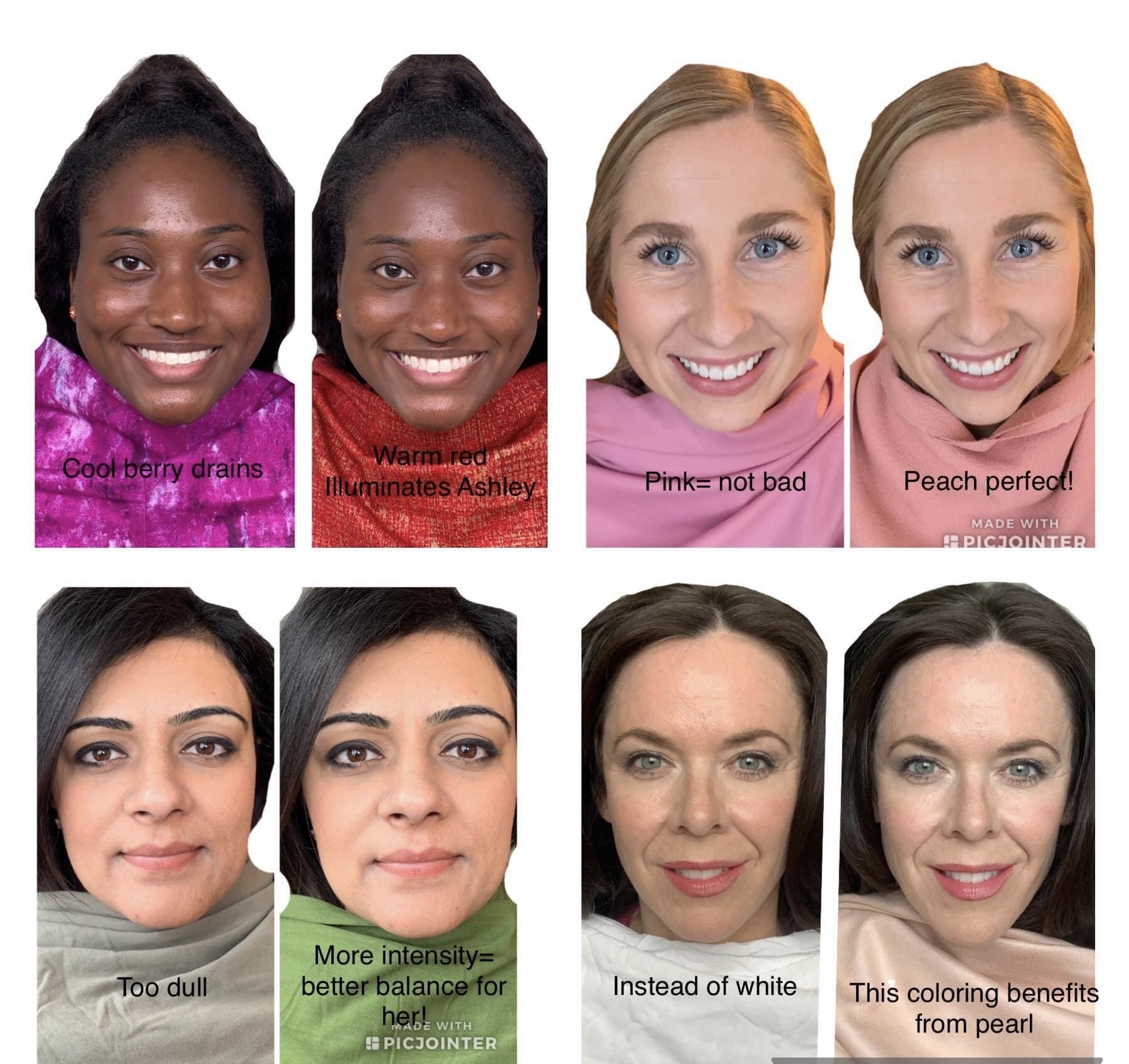
Between the lines: Andrea Franks drove from Anderson, S.C., to work with Miller.
- The newly postpartum mom had seen videos about color analysis and wanted to use it to rediscover her style.
- "The thing that was the most life-changing for me was the fact that I could see the difference with my own eyes," Franks says.
One more thing: TikTok now offers filters that claim to use a selfie to reveal your season.
- Though these filters are quick and easy, experts advise taking their results with a grain of salt.
- "They're certainly fun, but they're making about as good a guess as someone could make just by looking at you in the grocery store," says Traynor.
- To vet an expert, read their reviews, check out their social media, and ask for examples of their work.
- It's also important to do the consultation in person, as lighting and differences in computer screens can skew results.
My thought bubble: My color analysis results and the TikTok results I received had me in very different seasons, and the TikTok results also varied drastically depending on which filter I used.