A Charlotte company is making AI robots to do America's toughest jobs

Add Axios as your preferred source to
see more of our stories on Google.
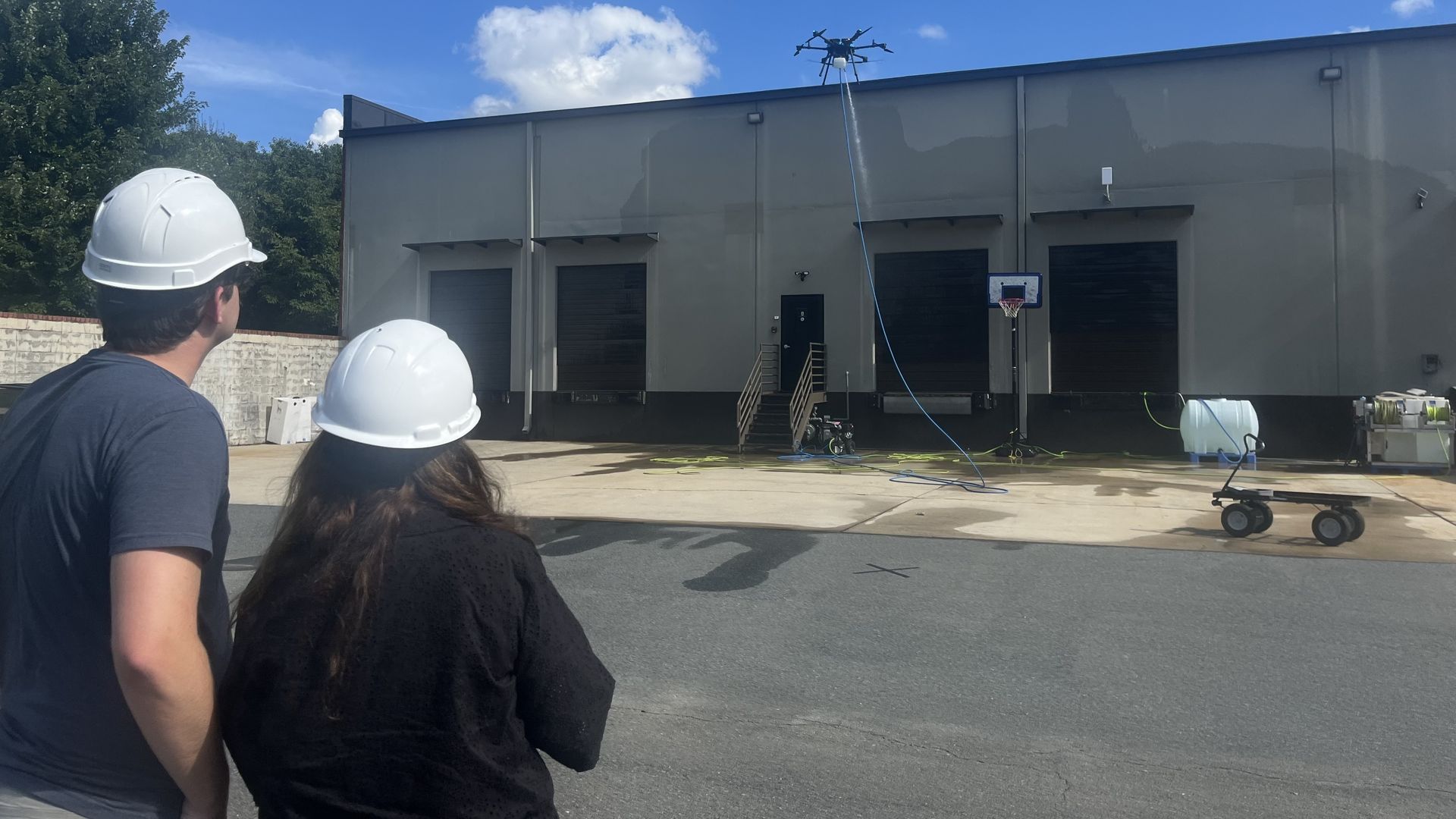
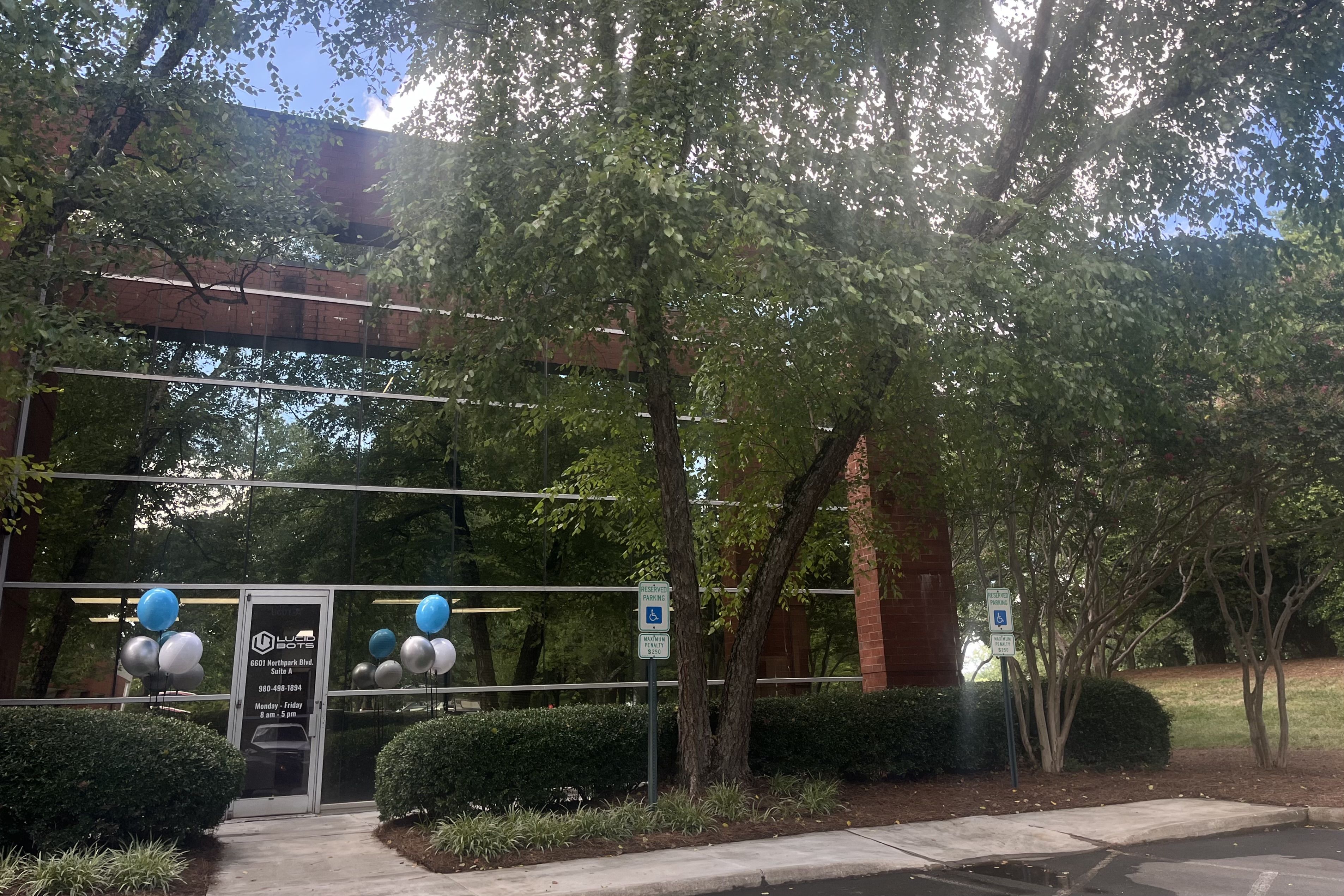
Lucid Bots' drones are routinely tested outside on perhaps what is the cleanest wall in all of Charlotte. Photo: Alexandria Sands/Axios
In a quiet industrial park in Charlotte, a small company is building drones and robots to revolutionize the American blue-collar workforce. And soon, those robots will be artificially intelligent.
Why it matters: Lucid Bots aims to become a leader in embedding AI into physical devices for a real purpose — creating robots that can take on dangerous work and freeing humans to pursue other meaningful tasks.
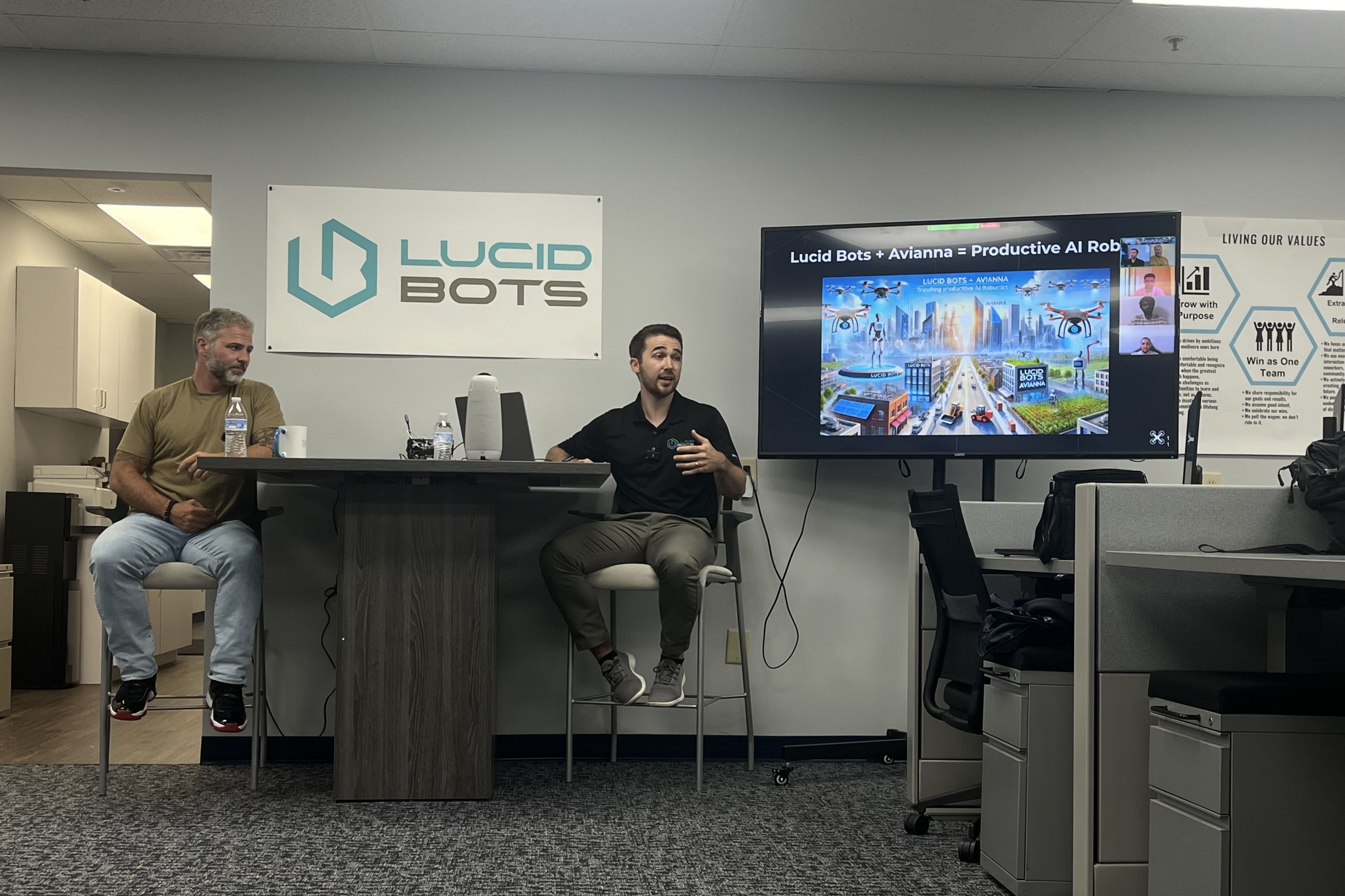
What they're saying: "You look at other robotics peers that have spent over a billion dollars in a decade to build a robot dog that has no job," founder Andrew Ashur told his 40-plus employees during a staff meeting this week.
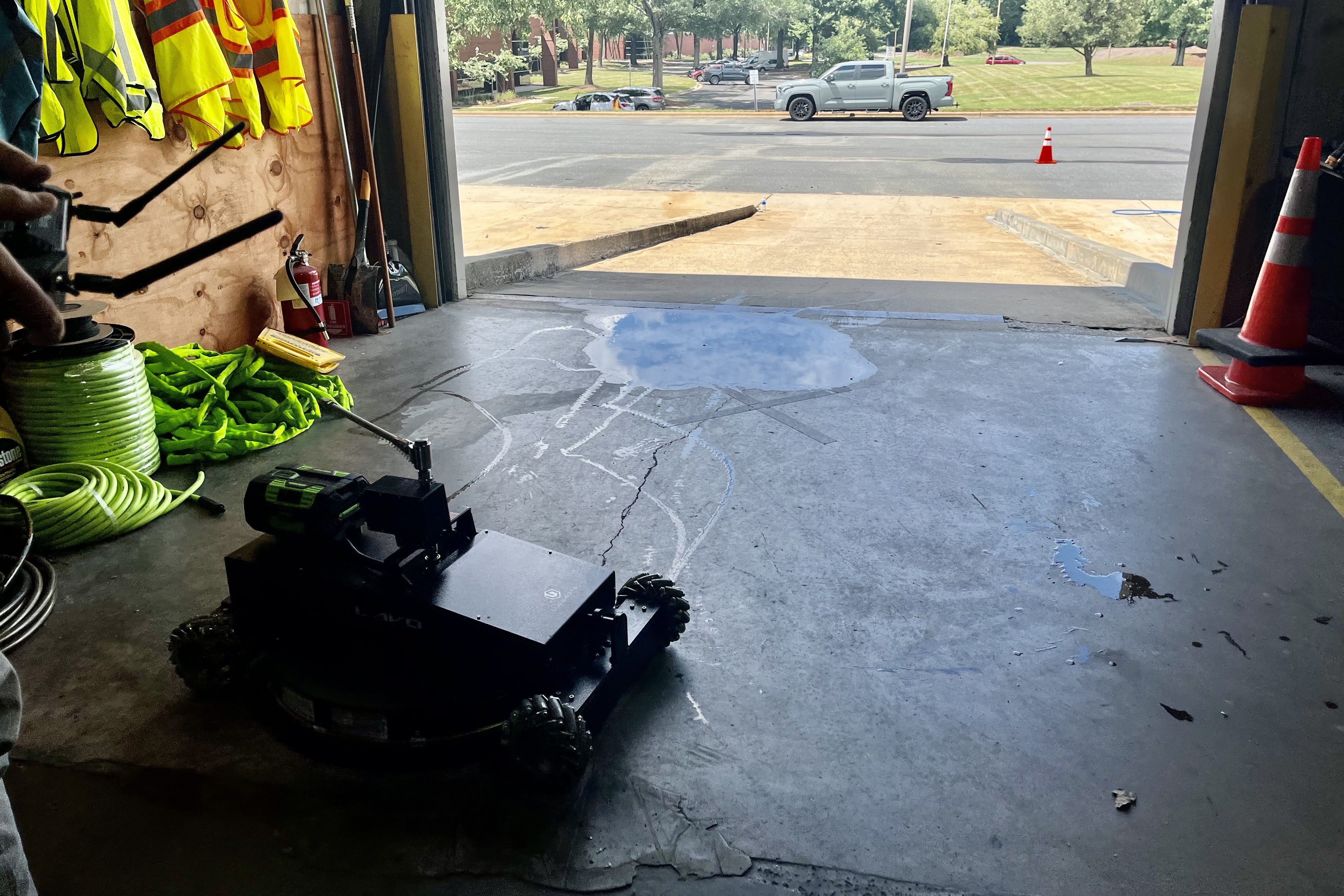
- Right now, the company has one power-washing drone and a surface-cleaning robot on the market.
Driving the news: Lucid Bots, a seven-year-old company, announced Wednesday its acquisition of Avianna, a software startup that merges AI tools with robots. CEO Vic Pellicano describes Avianna as "the brain."
- Avianna has worked with other robotics companies, but Pellicano tells me Lucid Bots was far ahead of everybody.
- You may have spotted one of Lucid Bots' drones washing Bank of America Stadium or flying around the UNC Charlotte and Davidson College campuses.
How it works: Imagine a Roomba that's smart enough not to get stuck under the couch. Lucid Robots will marry two technologies (AI, like ChatGPT, and the body, like a Roomba) so their robots need less human oversight.
- They'll be like co-workers that you can boss around. Instead of constantly jolting a joystick, you're using plain English to tell the robot, essentially, "You missed a spot."
- Ironically, they're making the robots smarter with AI, but they'll be easier for the customers to use.
By the numbers: The drone starts around $35,000 and the floor bots are between $10,000 and $12,000, depending on upfits. The return on investment for a cleaning company or an entrepreneur who lands a few cleaning gigs can be high, says Robert Blank, Lucid Bots product manager.
Flashback: Lucid Bots was founded a few years before the pandemic hit but became even more valuable during COVID. People were quitting jobs in the power-washing business because property owners weren't cleaning empty buildings, Blank tells me. Many didn't come back.
The big picture: The future of AI can seem frightening, so I had to ask, could the robots take over the world?
- Pellicano says as long as there's competition in the AI industry, society should avoid a "Skynet" scenario where technological power is too concentrated.
- Ashur believes we're far away from "a fully self-sustaining robot ecosystem." There are still limitations, like batteries and lithium mining, he says.
- "What the leaders in the industry like us should all be talking about is, 'How do we continue to put responsibility at the forefront of discussion?'" Ashur says.
What's next: Power-washing is just Lucid Bot's starting point. The company envisions its robots replacing many demanding jobs, from farming to bridge maintenance.
- "We do see a future where anytime you see a robot doing something productive in the wild, like painting the side of a bridge, your first thought is, 'I bet that's a Lucid Bot,'" Ashur says.
- Lucid Bots expects to start selling its products with AI by the end of the year.
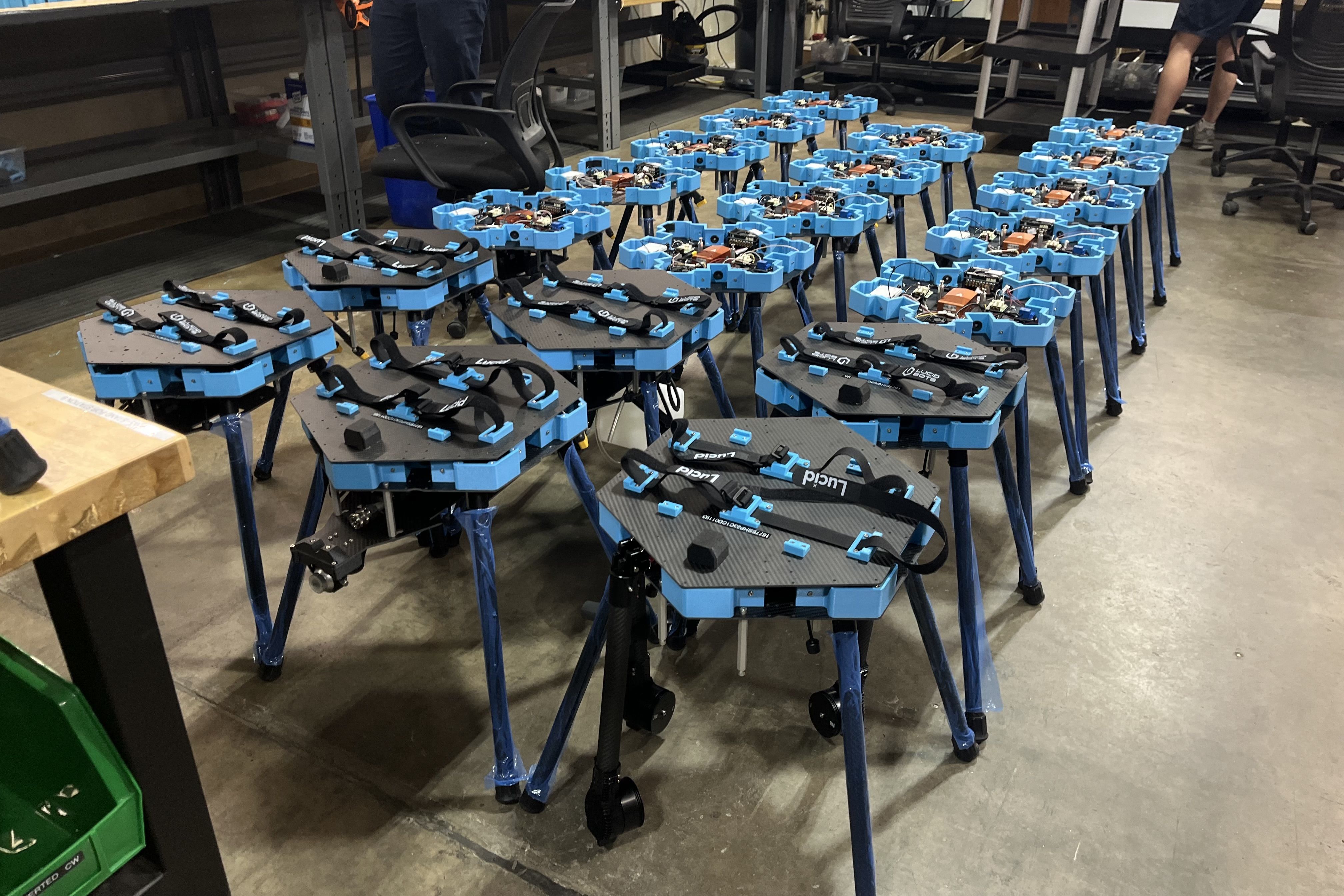
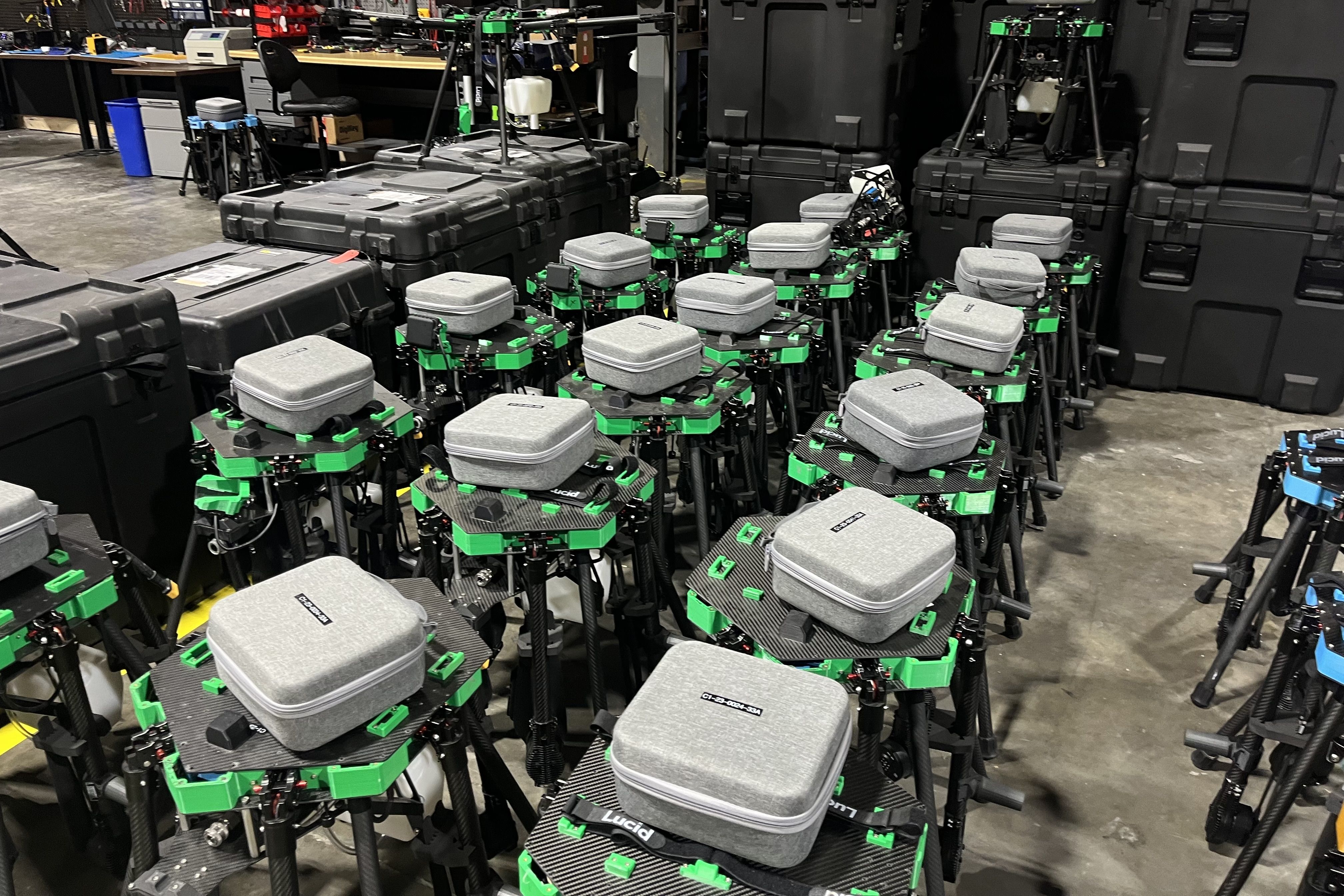
Take a look around the robot factory.