Newly released records: What Charlotte did to land an MLS team

Add Axios as your preferred source to
see more of our stories on Google.
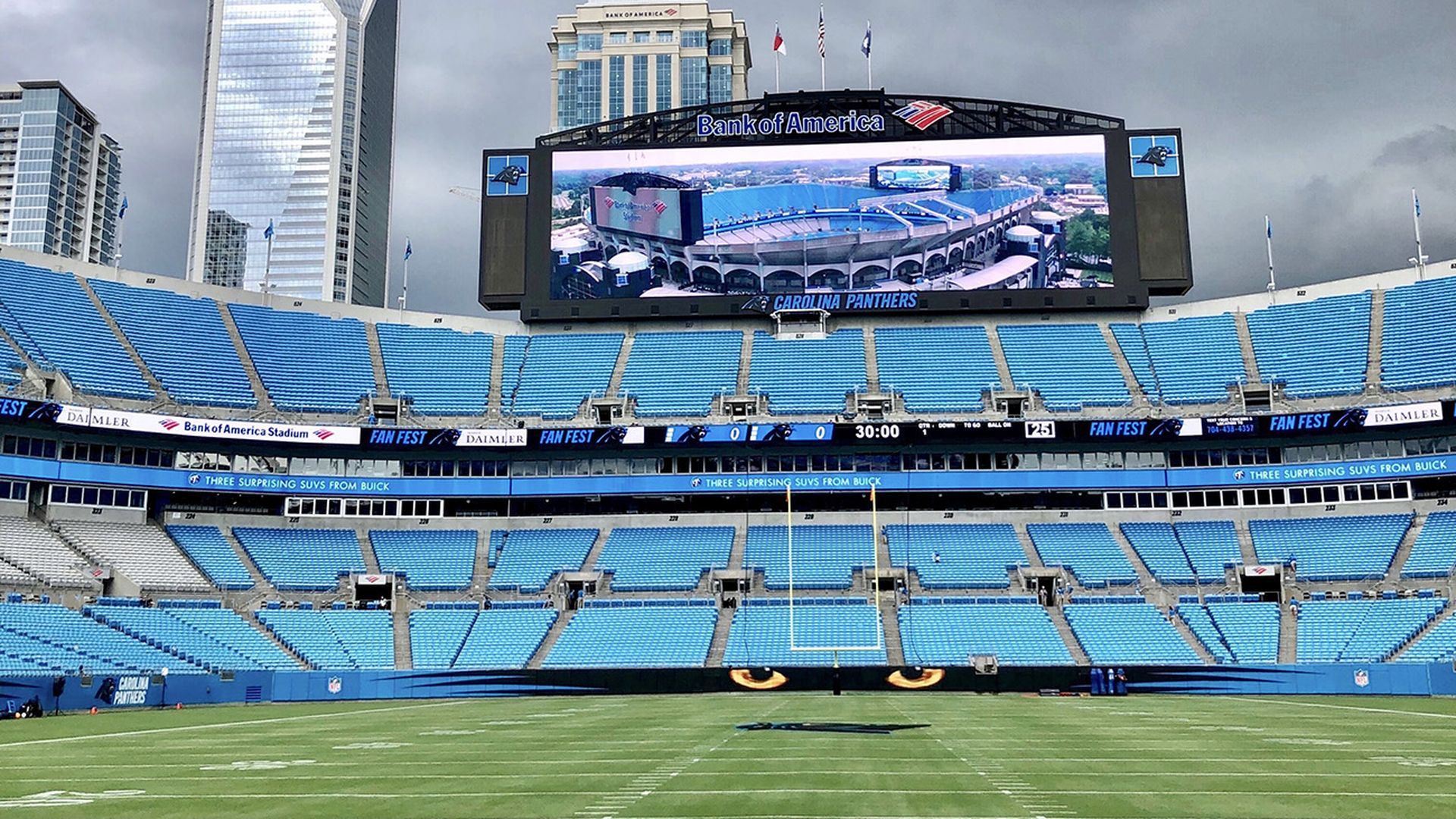
bank of america stadium panthers charlotte fc mls
City leaders met behind closed doors to discuss negotiations with David Tepper to bring a Major League Soccer team to Charlotte in 2019.
Driving the news: Records from those meetings were released Thursday night after more than two years of requests from several media outlets, including Axios.
Backstory: MLS awarded Charlotte a franchise in December 2019, and the city vowed to set aside $110 million in taxpayer funds to bring a team here. It wasn’t clear at the time, however, how Tepper Sports and Entertainment would use those funds — taxpayers were largely in the dark about the process.
- The city’s commitment to MLS shifted to $35 million within months.
- TSE decided to put its MLS headquarters in Uptown instead of at the old Eastland Mall site, a shift from the original plan, as local leaders touted a team headquarters as a way to help spur investment in east Charlotte.
- Charlotte FC’s academy will occupy 22 acres of the 78.3-acre mixed-use redevelopment at Eastland.
Why it matters: The meeting minutes the city just released provide a glimpse into its handling of one of Charlotte’s most high-profile economic development deals in years.
- In December 2019, Tepper said he called Charlotte Mayor Vi Lyles when the deal was done and said he had a present for her, joking it was the most expensive present he ever bought for a woman.
- Tepper paid a record $325 million MLS expansion fee.
Here are four highlights from the minutes:
1. Council members stressed the importance of keeping MLS discussions secret.
- “If we aren’t disciplined about confidentiality we embarrass ourselves and anybody who is not disciplined about confidentiality … embarrasses all of us,” councilman Ed Driggs said.
2. City leaders were wary of “Carolina FC,” one of the names Tepper Sports & Entertainment considered for the team.
- “Putting up $110 million of Charlotte dollars, I think Charlotte brand should be attached to that,” councilman Justin Harlow said.
3. There was also concern about continuing to hold MLS discussions behind closed doors.
- “We cannot continue to have a collaboration for a billionaire in closed session. We are losing goodwill with our citizens; we’ve yet to have any kind of public discussion,” councilman James Mitchell told his colleagues.
4. The city discussed the importance of guaranteeing the Panthers stay in Charlotte as part of the MLS negotiations.
- “We all said at the beginning of our terms two years ago when this thing happened that retaining the Panthers was our number one business retention,” Mayor Vi Lyles said.
- “What is to stop them from just doing soccer here and then pulling up the stakes and leaving town? I just want to have them committed in a meaningful way before we could do what I consider overspending on soccer,” Driggs said.
Zoom out: The release of these records also comes after WBTV started probing into why the city drags its feet in releasing closed-door meeting minutes. The reluctance to do so raises questions about transparency, as WBTV reported Friday.
North Carolina state statute says closed session minutes can remain secret, WBTV reports, if their release would “frustrate the purpose of a closed session.”
- But NC Open Government Coalition Director Brooks Fuller told the station once a project reaches an endpoint, the city should release the records.
- In fact, per state law, local governments should release the records within 25 business days after announcing the project, per WBTV.
The bottom line: Closed-door meeting minutes are public records that shed light on how government officials negotiate major deals like economic development projects. But the city doesn’t release these records often.
- WBTV reports the last time the city released closed session minutes was in August of 2019.