EXPLAINER: What happened in Raleigh with Charlotte’s LGBT nondiscrimination ordinance

Add Axios as your preferred source to
see more of our stories on Google.
Charlotte and Raleigh collided in a big way Wednesday, and this time protections for the LGBT community were the issue.
This is a complicated and sensitive issue and I don’t think anybody really knows all the implications and ramifications of it quite yet. Here’s a straightforward explanation for what’s happening.
Take me back to the beginning. What is this about?
In February, the Charlotte City Council approved changes to the city’s nondiscrimination ordinance that added sexual orientation and gender orientation to its list of protected classes. This meant that businesses and public agencies could not discriminate against gay or transgender people. For example, a hotel could not decline to rent a room to a gay couple.
[Agenda story: Why Charlotte is having such a tough time with ‘nondiscrimination’]
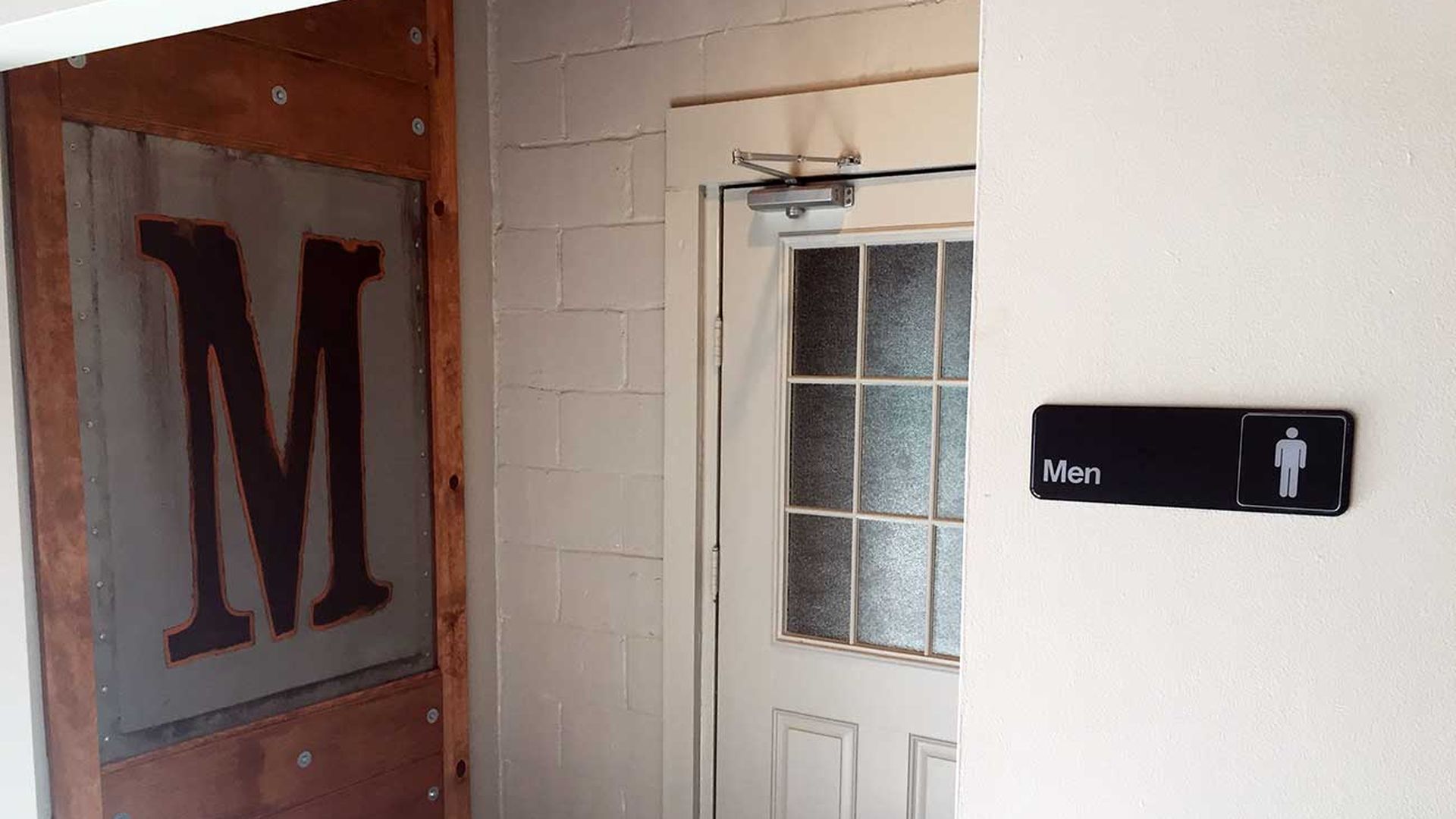
The part of the new ordinance that became most controversial was language that would allow transgender people to use the restroom of their gender expression. This became so big that the ordinance was dubbed by opponents the “bathroom bill.”
Why is Raleigh involved?
In our state, cities and towns basically exist at the pleasure of the state government. Raleigh is controlled by conservative Republicans, who vehemently opposed the changes in Charlotte and immediately vowed to overturn them. They can do that.
There has been a huge battle over local control versus state control over the past two years between the state legislature and larger cities in the state — and this is the latest example.
/2024/01/06/1704562590271.jpg)
Photo by -ted via Flickr (Creative Commons).
What literally happened in Raleigh?
/2024/01/06/1704562590517.jpg)
Four Republican representatives — Dan Bishop (Charlotte), Paul Stam (Apex), Julia Howard (Mocksville) and Bob Steinburg (Edenton) — introduced House Bill 2, the “Public Facilities Privacy & Security Act.”
The bill passed the House and Senate on Wednesday and was signed into law by Gov. Pat McCrory within hours.
Photo by Dave Crosby via Flickr (Creative Commons)
Why did Republicans want to step in?
Bishop posted a lengthy statement about this. He described what Charlotte did as a radical overreach that threatens “havoc on thousands of business establishments” and violates the privacy of women and families.
He also said it will put cities across North Carolina under pressure from a “narrow interest group intending to bully businesses and citizens into compliance with a radical agenda.”
Gov. McCrory, in signing the bill, said what Charlotte did “defies common sense” and that the state law protects people’s expectation of privacy in that people of the opposite gender won’t be in their bathrooms and changing rooms.
But the larger arguments made by people opposed to the nondiscrimination changes have said that they will give predators cover to enter women’s bathrooms to prey on vulnerable people.
/2024/01/06/1704562590862.jpg)
What exactly does the bill say about bathrooms?
The bill requires school boards and public agencies to establish “single-sex multiple occupancy bathroom and changing facilities.” Read: You have to have a men’s and women’s bathroom.
It further states that only people of the biological (birth certificate) sex stated on the facility be permitted to use it. Read: Transgender people are not allowed to use the bathroom of their gender identity.
The bill does have a provision that allows school boards and public agencies to create a single-occupancy bathroom/locker room or make other arrangements for “special circumstances” (read: transgender people).
What about the “nondiscrimination” thing?
This part is actually the most controversial. This part of the bill makes nondiscrimination an issue only the state can handle. It means that now cities or towns cannot create their own nondiscrimination ordinances.
The issue there is that sexual orientation and gender identity are not protected classes under N.C. law. So presumably a hotel could hang a “No gays allowed” sign and that would be OK.
Adding these as protected classes actually came up but didn’t move forward.
This part of the bill also declares that single-gender bathrooms does not constitute discrimination in public accommodations.
It also declares that there is no right to civil action for perceived violation of the state’s nondiscrimination statue. You can still make complaints, though, and the Human Relations Commission in the Department of Administration has the authority to investigate.
/2024/01/06/1704562591227.jpg)
What was the response locally?
In an emotional statement to the media, Mayor Jennifer Roberts said the bill jeopardizes the city’s travel and tourism industries and public schools and universities, and is bad for business.
“I am appalled,” she said. “This is literally the most anti-LGBT legislation in the country.”
She said she has texted Gov. McCrory to ask for his veto. You can read her official statement on the issue here.
Within hours, Gov. McCrory signed the bill into law, tweeting, “I signed bipartisan legislation to stop the breach of basic privacy and etiquette, ensure privacy in bathrooms and locker rooms.”
What about nationally?
The nation’s most famous transgender person, Caitlin Jenner, tweeted about the debate.
Big business in general has been opposed to measures that impact LGBT people. They opposed Amendment One, which (briefly) banned gay marriage in North Carolina. Companies also have started coming out against this bill.
What happens now?
Gov. McCrory signed the bill into law Wednesday night.
It will almost certainly be challenged but Mayor Roberts did not say whether the city of Charlotte would pursue legal action.
With the bill now in effect, Republicans said the administration would create a policy of sex-specific bathrooms in government buildings and “allow businesses and churches to decide for themselves what policies make sense.”