What’s local and in season this fall in our region

Add Axios as your preferred source to
see more of our stories on Google.
I think it’s great how many chefs, restaurants and diners want to support the local food movement. However, in my opinion, we are just scratching the surface. Supporting local food is more than just a movement. It needs to become the way of life. It needs to be sustainable.
As much as this movement has grown in Charlotte alone, there needs to be more education. Where does your food come from? What’s seasonal in your area? How is your food being grown or raised? These are questions that should cross your mind. It’s common sense. Eat what is seasonal in your region. It’s growing at a particular time for a reason. Why wouldn’t you want to eat that food when it’s at it’s peak? It’s time we start caring about what we are putting in our bodies.
Summer is unfortunately over, and it is now officially fall. Say goodbye to tomatoes, and say hello to kale and collard greens. As a chef at a restaurant that uses only locally sourced food, I find it makes me love my job even more. Stepping into my walk-in cooler and looking around to see what I have that’s fresh and seasonal – my creativity thrives on that. I think it makes food taste better when you know the hands that picked your vegetables. There’s something about that connection between Chef and farmer that is just magical. So why not be creative with what’s in front of you? The possibilities are endless.
Let’s talk about what’s growing here in our region this fall.
First off, when I say the fall season, I’m talking about mid September-November/December. Think winter squash, root vegetables, hearty greens.
Examples: Arugula, kale, collards, butternut squash, sweet potatoes, onions, garlic, spinach, cabbage, apples, bok choy, mustard greens, pears, turnips, beets, lettuce, leafy greens, mushrooms, persimmons, muscadine grapes, pumpkin, radishes, snow peas, figs, swiss chard, rutabaga, cauliflower, Brussel sprouts, spaghetti squash, celery root, plums, pecans, grapes.
/2024/01/06/1704519032751.jpg)
Now let’s talk about where you can find these local veggies.
First things first, visit your local farmers market. Charlotte has plenty of them, some of which run year round, so there’s no excuses. These farmers are braving the cold and early mornings to offer you some of North Carolina’s best crops. We owe it to them to visit them, talk to them, learn from them and buy from them. Farmers love to show off their goods.
/2024/01/06/1704519033034.jpg)
So go to the market, pick a farmer and pick their brain. I guarantee you, you will feel better about buying and eating the food from these hardworking folk. The great thing about buying from local, sustainable farms is that your money stays in that community. It doesn’t go to China, or Mexico or any other state for that matter. How cool is that?
Here are some local farmers that you can visit at the market: Boy and Girl Farm, Gales Farms, Barbee farms, Rowland’s Row Family Farm, Tega Hills Farm, Coldwater Creek Farms, New Town Farms, Rosemary Pete, A Way of Life Farm, Bell’s Best Berries, and so many more. It would be near impossible to name every farmer out there growing truly incredible things here in North Carolina.
Now that you have your local harvest, what do you do with them?
Well done, you have successfully supported your community of local farmers and bought the best of what the fall season has to offer. I’m sure you get home, unpack your bags and think, “Now what?”
/2024/01/06/1704519033362.jpg)
Here’s some innovative ideas for you to enjoy your fall bounty:
/2024/01/06/1704519033536.jpg)
Kale, Chard and Collards: Slice them into ribbons and make a simple salad with them, add some shaved apples, radish or some roasted pumpkin or butternut squash and you’ve got a meal. Make sure to massage your dressing of choice into the leaves. Throw them in a soup or stew. Use them as “tortillas” and make a wrap out of them. Simply sauté them up with seasonings of your choice for a quick side. Pickle the chard stems and add to a salad or any dish.
/2024/01/06/1704519033873.jpg)
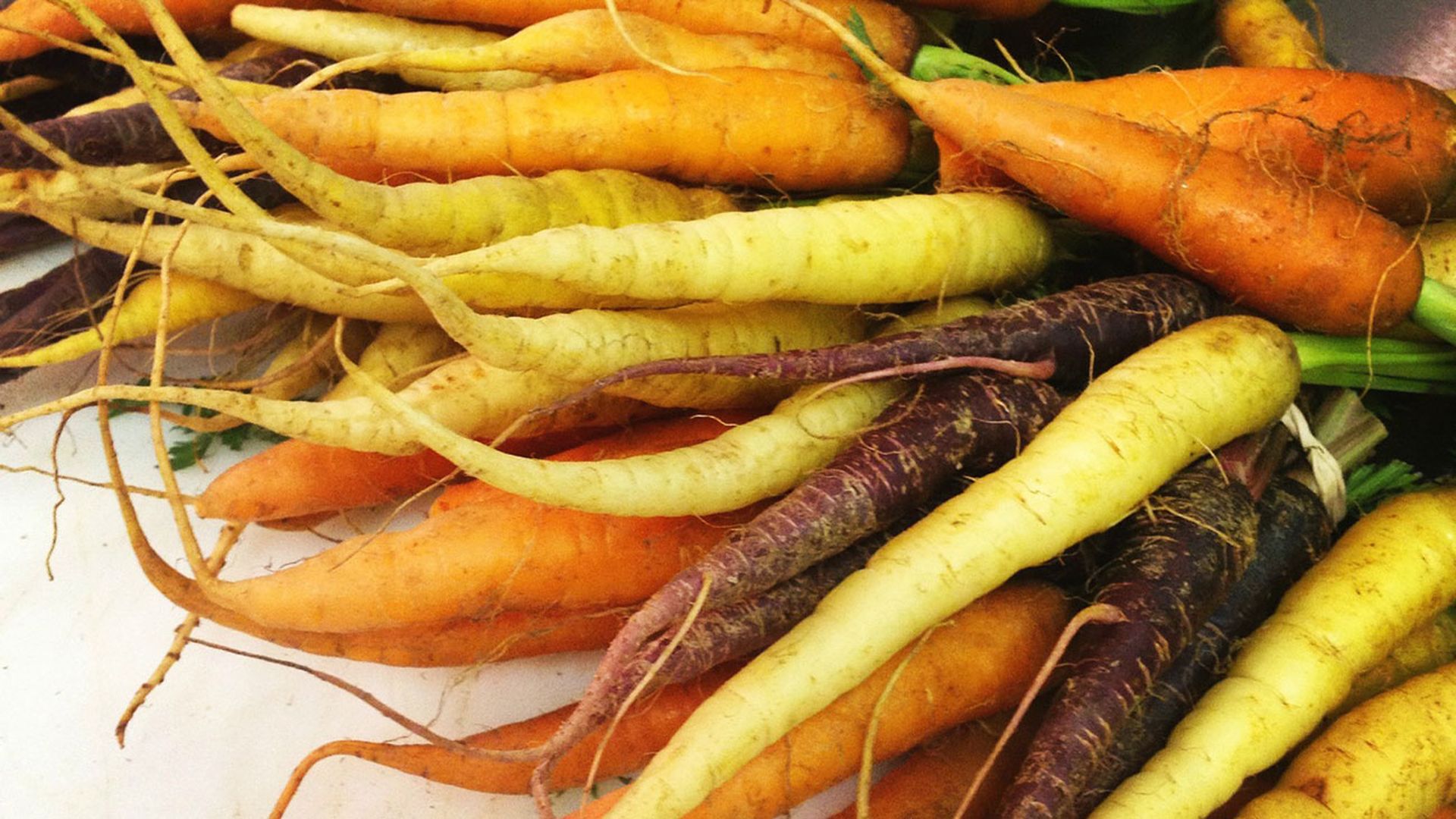
Winter Squash, Root Vegetables: Roast them in the oven and that alone is delicious. You can use the leftover roasted vegetables for a breakfast hash in the morning, just sauté with some onion and garlic and put an egg on top. Add them in any salad. Blend up for a delicious, earthy soup or puree. Example: butternut squash and apple soup, trust me, it’s GOOD. Spaghetti squash is a great alternative to pasta that you don’t have to feel guilty about! Speaking of pasta, spiral some of your root veggies up and sauté them up for another alternative for pasta.
Apples: Gosh, what can’t you do with apples? Apple desserts come first to mind: pie, cobbler, crisp, baked, stuffed apples, apple rings, donuts. Make apple cider. Of course there’s always applesauce. Slice them up in a salad. Put them in a soup. They really brighten up a dish!
Cauliflower: Thanks to its trendiness, I’ve learned how to use cauliflower in a million different ways. It’s much more than a filler vegetable on your crudité platter. Simply roasting it in a high temperature oven is just sublime. Cauliflower mash is a great substitute for mashed potatoes. Blend it up in a food processor and sauté with seasonings of choice for a healthy alternative to rice. Use it as a gluten free pizza crust. Cauliflower tots, think tater tots, but with cauliflower. Thank me later.
Muscadines: They make an awesome sauce. Just blend them up, strain it, stick in a saucepan and let simmer until it gets syrupy. Make jam. Ferment them and make vinegar. Pickle them for a pop of flavor in a salad. Poach them. Juice them and make a killer “mocktail” or cocktail.
I could probably go on for hours talking about what you can do with these vegetables, but I’ll abstain. Just do me this favor. Go out this weekend, meet a farmer, buy something, cook it for your family and friends (or just yourself) and spread the word about how good our food is here growing in our neck of the woods! When you’re at home in your kitchen, have fun and experiment. Cooking is a very intuitive thing, go with your gut and try something new. Don’t be afraid. Sometimes that’s how the best things happen.