How the Charlotte Symphony plans to shake its stodgy image

Add Axios as your preferred source to
see more of our stories on Google.
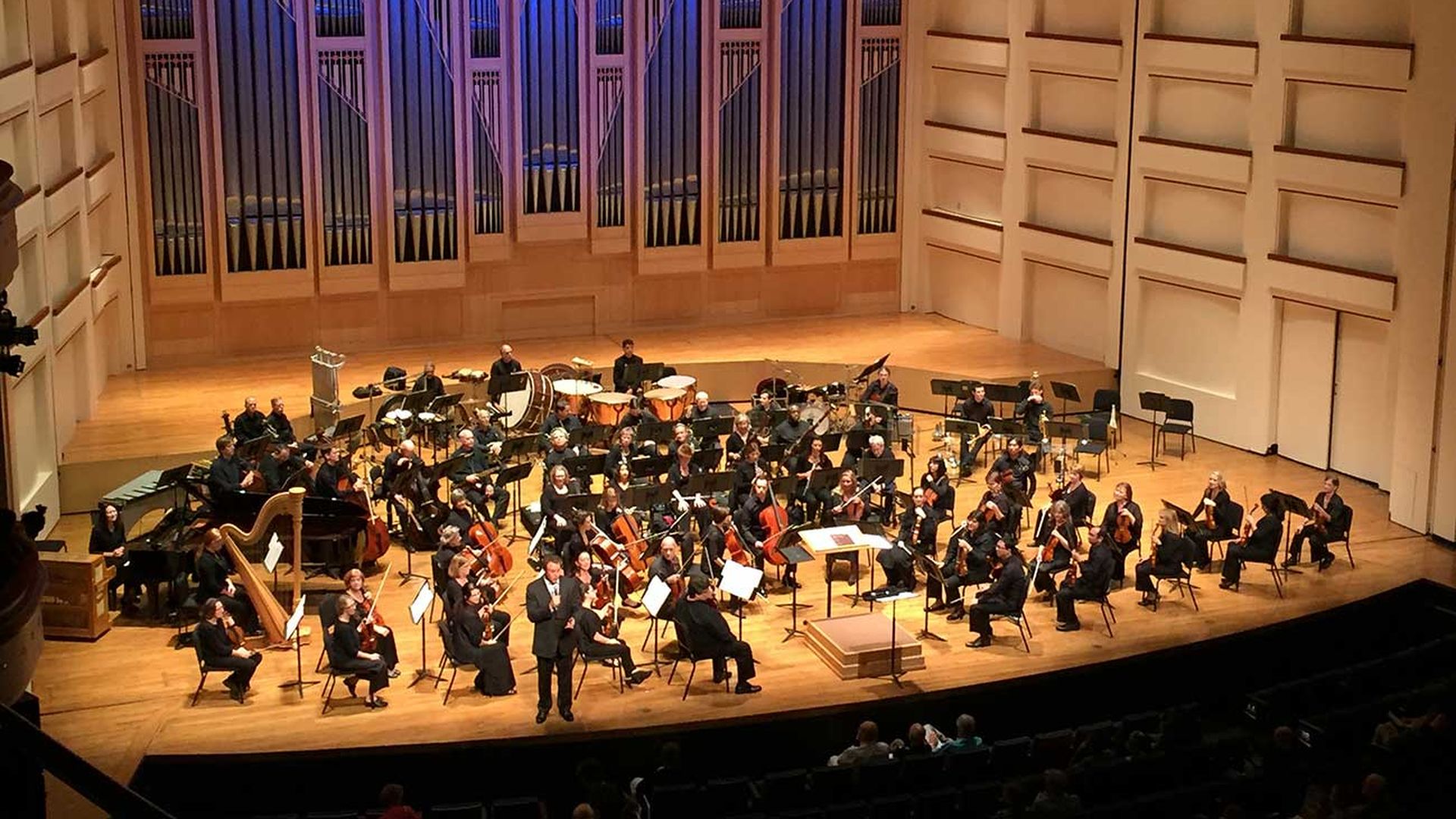
A lot more was in play Wednesday at the Belk Theater than strings and woodwinds. Executives at the Charlotte Symphony Orchestra viewed the concert as an experiment in whether they’d ever be able to shake their uptight image.
They’d certainly been trying. In the past week, the symphony has taken small groups of musicians out into popular gathering spots uptown. “What we’re trying to do is be relevant to our community,” said Michelle Hamilton, vice president of development for the symphony.
/2024/01/06/1704519870099.jpg)
/2024/01/06/1704519870428.jpg)
But Wednesday’s “Symphony On Tap” was more ambitious. The pitch: Come to the Blumenthal Performing Arts Center for free, drink $2 beers and hear a preview of the type of music the symphony will perform this year. The event got a lot of attention on Facebook, and all 2,000 Eventbrite tickets sold out. But up until the minute people started filing in, the symphony wondered whether the young professionals they do desperately wanted to reach would believe they were welcome.
/2024/01/06/1704519870693.jpg)
It looks like the answer was yes. People came in cargo shorts, they came in yoga pants, they came in jeans and they came in slim-fit dress shirts. They brought kids in strollers. They took pictures during the concert and pulled their phones back out to check how many likes they got. Several told me they were symphony newcomers who popped in after work. By the end, the theater was about 85 percent full, better than most of the symphony’s classic concerts.
/2024/01/06/1704519870960.jpg)
To their credit, the symphony played a punchy set of popular pieces. Toward the end, they performed Leonard Bernstein’s “Mambo,” the one where everyone shouts the title of the song at regular intervals. “You thought the symphony was posh,” conductor Christopher Warren-Green said.
There’s two ways the symphony can play this success. They can hope the young professionals who came will like what they saw, and decide to buy tickets to traditional symphony concerts. Or the Charlotte Symphony Orchestra can decide to make events like this a more regular part of the repertoire.
It sounds like the latter might be possible. At the end of the concert, I caught up with Robert Stickler, the symphony’s executive director. His main takeaway: “If we package it right, people will come.”