Our excuses for not riding the bus are invalid: 6 counterpoints in favor of CATS

Add Axios as your preferred source to
see more of our stories on Google.
Axios archives
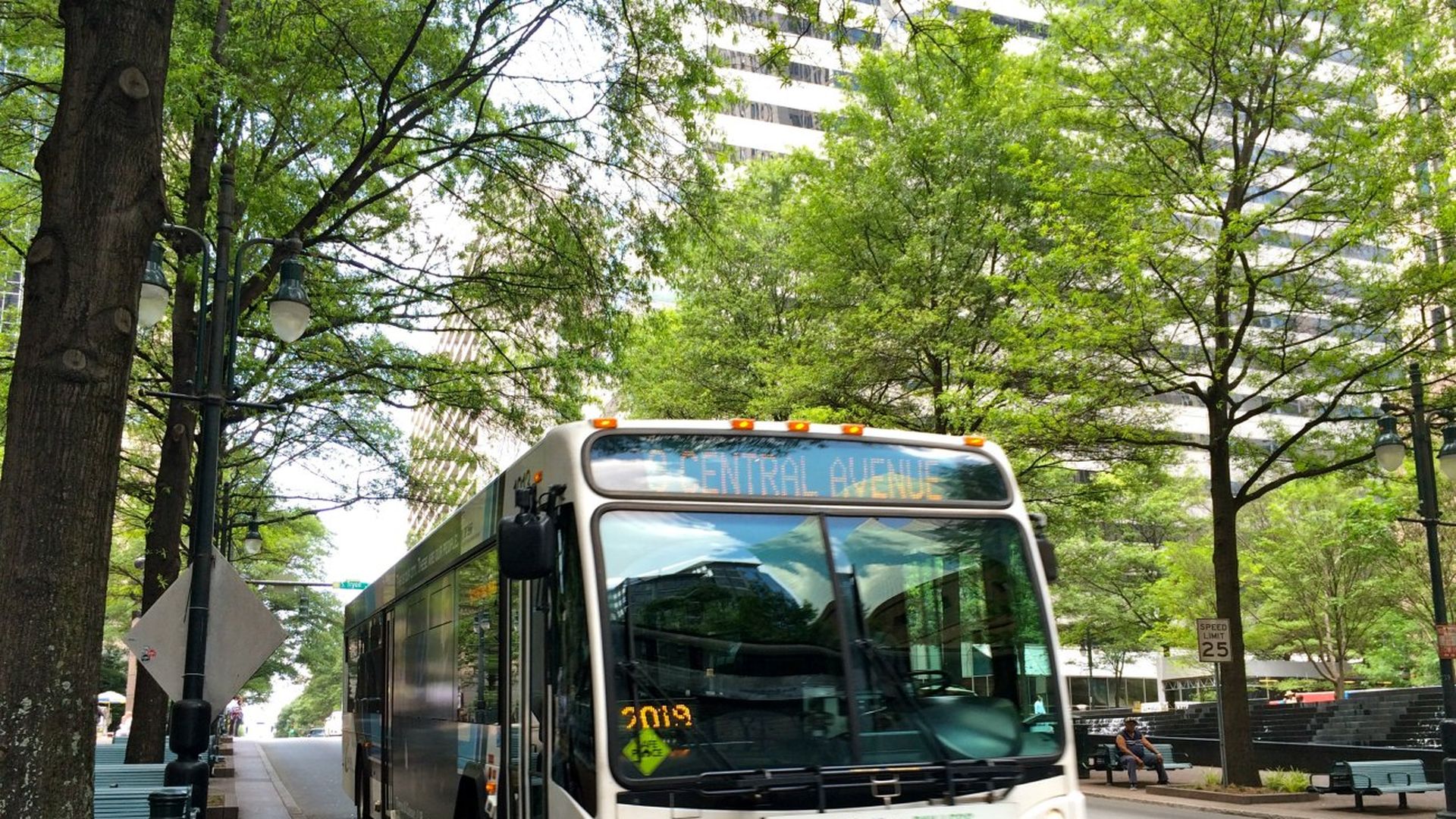
When I first moved to Charlotte (and still hated it) I liked to complain to my friends in Boston and New York about how “Charlotte has no public transportation.” The reality, though, is that Charlotte has plenty of public transportation that moves some 83,000+ people throughout the city each day. And the bulk of it stretches way beyond the 10-mile Light Rail track that gets all the attention right now. It’s called the bus and I just don’t use it.
/2024/01/06/1704522369699.jpg)
Charlotte Area Transit System (CATS) operates a fleet of 322 buses on more than 70 routes with multiple-stop service in Charlotte, Davidson, Huntersville, Cornelius, Matthews, Pineville and Mint Hill. Express routes to Union County, Concord, Gastonia and Rock Hill are also available.
For some reason the bus just isn’t top of mind for a lot of people when it comes to transportation in car-centric Charlotte (myself included) so I wanted to break it down to the basics according to the most common excuses I hear (and give) for not using it.
No one rides the bus in Charlotte.
Actually, more than 80,000 people ride Charlotte public transportation daily. You don’t ride the bus. And if we’re being brutally honest (and sweepingly stereotypical), white people appear to not ride the bus in Charlotte. The few times I’ve been on the bus I have been the only white person on it. Not one of a few, the only one. What’s up with this?
It’s not cost effective.
/2024/01/06/1704522369979.png)
While $2.20 for a one-way trip may sound steep for multiple trips a day, once you consider what you’ll pay to park (especially Uptown–anywhere from $5-$25 or more) or to take a cab/Uber, it’s really not so bad to get where you’re going. Buying in bulk also helps big time. The $88 local monthly pass means you can ride all you want in Charlotte for less than $3/day. That’s less than what I spend on gas alone each month, let alone parking.
It’s not reliable.
/2024/01/06/1704522370634.jpg)
Twice out of the handful of times I’ve ridden the beloved Light Rail it has been out of service and riders were re-routed to backup bus service instead. Yes, when the Light Rail fell from grace, the “not reliable” bus was there to catch us. In fact, CATS buses run an average 90% on time performance rate. You’ll find pickup times scheduled down to the minute posted at each stop, but if you feel like you’re waiting around and it’s behind schedule just download the Ride CATS (CATS on the Go) mobile app for up-to-the-minute trackers on when the bus should arrive.
/2024/01/06/1704522371319.jpg)
It’s not convenient.
At first riding the bus might take a little more planning than just hopping in your car, but that’s only because you’ve put in the time necessary to get lost, find shortcuts and figure things out in your car. If you give the bus the same learning curve, odds are it’ll become as second nature as driving around.
/2024/01/06/1704522371672.png)
Figuring out my route is too confusing.
/2024/01/06/1704522372140.jpg)
There’s an app for that! The same way Google Maps tells you where to go when you’re driving, it can tell you where to go using public transportation too. Download Google Maps, enter your destination and select the Public Transport route option for detailed directions on which route to use, where to transfer and how long it will take.
It’s not safe.
This one really gets me because statistically speaking you are way more likely to die driving your own car than you are riding a bus. CATS buses have a preventable accident rate of 0.49 per 100,000 miles traveled. (For reference, the state of North Carolina had 13.1 motor vehicle crash deaths per 100,000 population in 2013.)
So there we have it, friends and fellow drivers, six counterpoints to our lame excuses for not riding the bus. Anybody with me?