How to stay safe in the Colorado backcountry


Add Axios as your preferred source to
see more of our stories on Google.
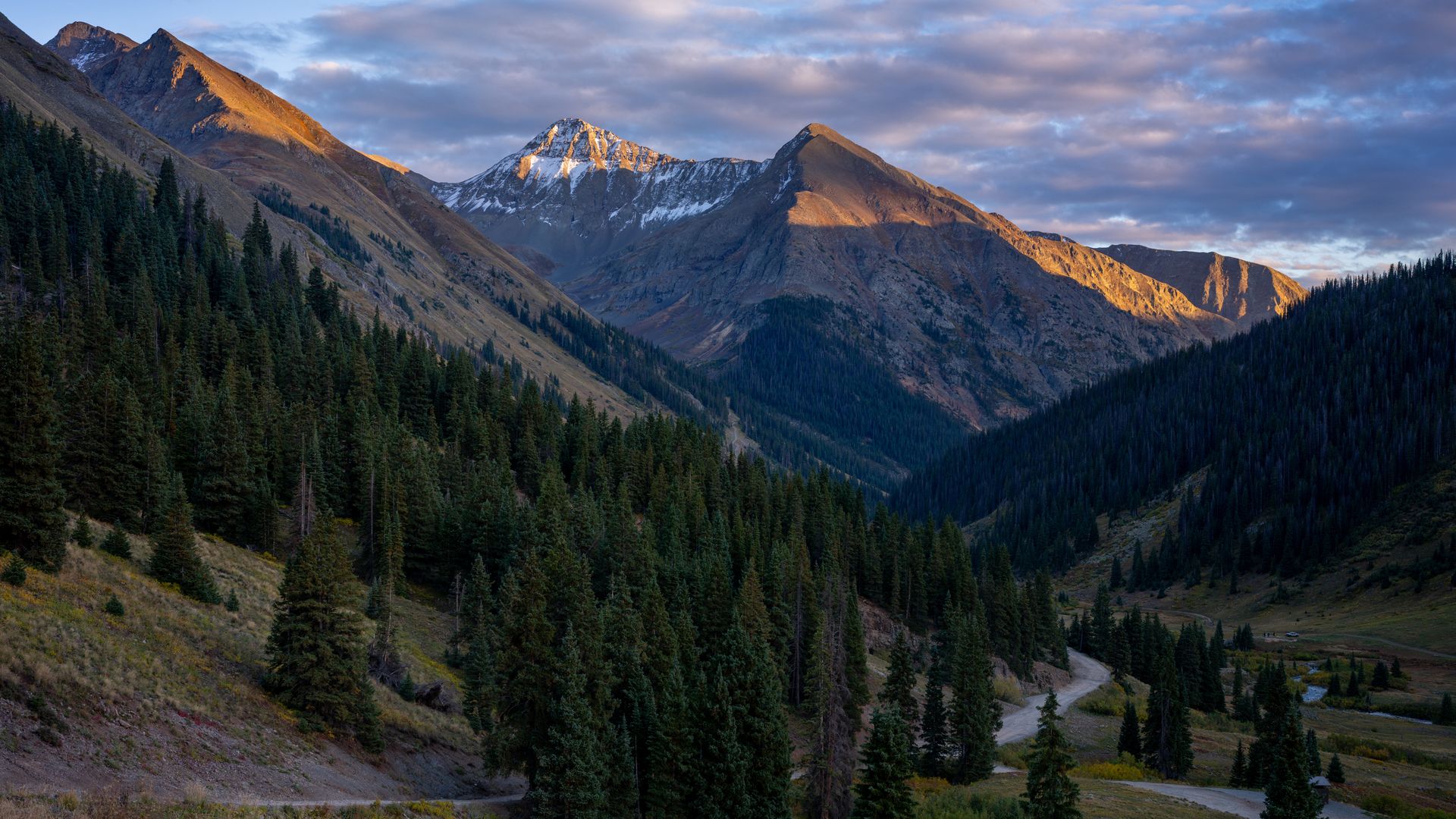
Two recent rescues in San Miguel County offer a reminder that preparation matters as warm weather beckons more people into the Colorado wild.
Why it matters: More people are getting lost, injured or stranded in the backcountry because they failed to plan or pack the right gear.
What they're saying: "You need to be smart to do anything in the backcountry," Susan Lilly of the San Miguel County Sheriff's Office told CBS News after an early June incident at Telluride's Via Ferrata.
The big picture: There are about 3,000 search and rescue incidents in the state per year, CBS reports.
- And the trend isn't unique to Colorado. Oregon-based Crag Rats Mountain Rescue now averages around 50 rescue missions annually. Up until about 2013, the organization responded to fewer than a dozen calls a year.
What they're saying: "A very common issue is people going on trails when they're not fully informed of the trail route and conditions, and they don't have good navigation," Christopher Van Tilburg, medical director for the Crag Rats, tells Axios.
- "They see it on social media, and they think, 'Oh, that's a cool trail,' and they go hike it, and they just didn't really research it very well," he says.
Zoom in: The most important thing you can bring on any outdoor adventure is knowledge. Here's a quick check-list:
📍 Know your route:
- Download a map to your phone and bring a paper backup.
- Check recent trail reports on sites like AllTrails.
- Tell someone where you're going and when you expect to return.
🎒 Know what you need:
- Pack enough food and water — plus, a little extra.
- Bring a first aid kit.
- Have a way to communicate without cell service.
💡 Pro tip: "Bring enough gear to spend the night out, even if it's an uncomfortable night," Van Tilburg says.
🌦️ Know the weather:
- Monitor forecasts closely.
- Be prepared for changing conditions, from snowstorms and wildfire smoke to extreme heat.
⚠️ Know your limits:
- Outdoor adventures often push personal boundaries.
- Understanding your abilities — and respecting them — is one of the best ways to stay safe.