CU embraces "new era" in college sports with NIL payments to student athletes


Add Axios as your preferred source to
see more of our stories on Google.
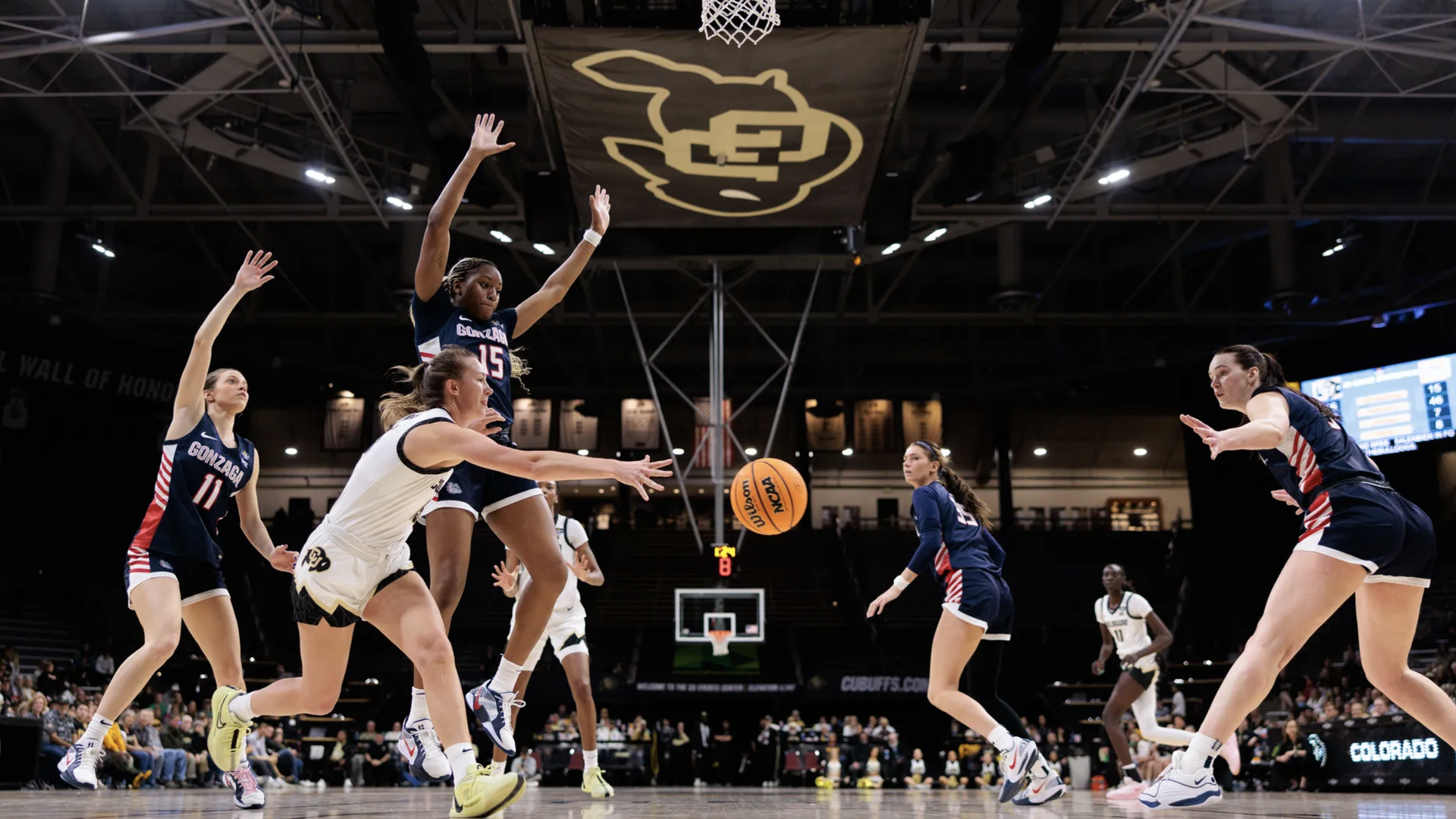
Kindyll Wetta of the Colorado Buffaloes passes the ball during a March 23 game against the Gonzaga Bulldogs in Boulder. Photo: Andrew Wevers/Getty Images
Colorado universities can now put student athletes on the payroll for their name, image and likeness (NIL) rights — but the details of what they're paid is off-limits to the public.
Why it matters: The move aligns Colorado with a federal settlement (House vs. NCAA) that will soon force colleges to share sports revenue with athletes. But it also shields those contracts from public records requests, raising bipartisan alarms about transparency.
Driving the news: Gov. Jared Polis signed Colorado's implementation bill in late March, allowing schools to pay athletes directly from ticket sales, broadcast deals and merchandise revenue.
- Polis raised concerns about a carve out that keeps those athlete contracts exempt from the Colorado Open Records Act (CORA).
- "While the bill's exception is narrowly tailored, it follows an unfortunate trend of legislative proposals that ultimately impede access to official records that are arguably within the public's interest to view," Polis wrote in his signing statement for House Bill 1041.
Yes, but: Supporters of the exemption, including University of Colorado Boulder — which raked in a record $140 million in athletics revenue last year — argue that publishing specific payouts could endanger athletes, citing concerns about harassment fueled by online trolling and the rise of sports gambling.
- They also say Colorado schools could lose their recruiting edge, since private universities and many other states aren't subject to public disclosure laws.
What they're saying: Sponsor Sen. Judy Amabile, a Boulder Democrat, said she understood the governor's concerns, per the Denver Post, but noted "the fact is that these are not employees."
- "They're not being paid with public money," Amabile said. "They're students, and students have protections, and we wanted to preserve that."
- Calling this "a new era of collegiate athletics," CU's athletic director Rick George said in a statement to Axios Boulder that House Bill 1041 allows "Colorado universities the ability to meet the demands of a rapidly changing environment while providing essential protection for our student-athletes."
Catch up quick: The NCAA and its five power conferences voted last spring to let schools pay athletes directly — a seismic shift for an organization that has long sought to maintain the amateur nature of college sports, Axios' Sareen Habeshian writes.
- Previously, the NCAA allowed student-athletes to profit off their name, image and likeness on an interim 2021 policy, even as college athletes helped produce eye-popping revenues.
- Schools like CU began using third-parties, including booster collectives, during that time to pay athletes.
What's next: Schools including CU Boulder agreed to publish aggregate NIL payment data by sport — not by player, CPR reports.
- CU's documentation for NIL payments will be included in an annual financial report that's published by the NCAA every January and shared with the state's education department, per George.