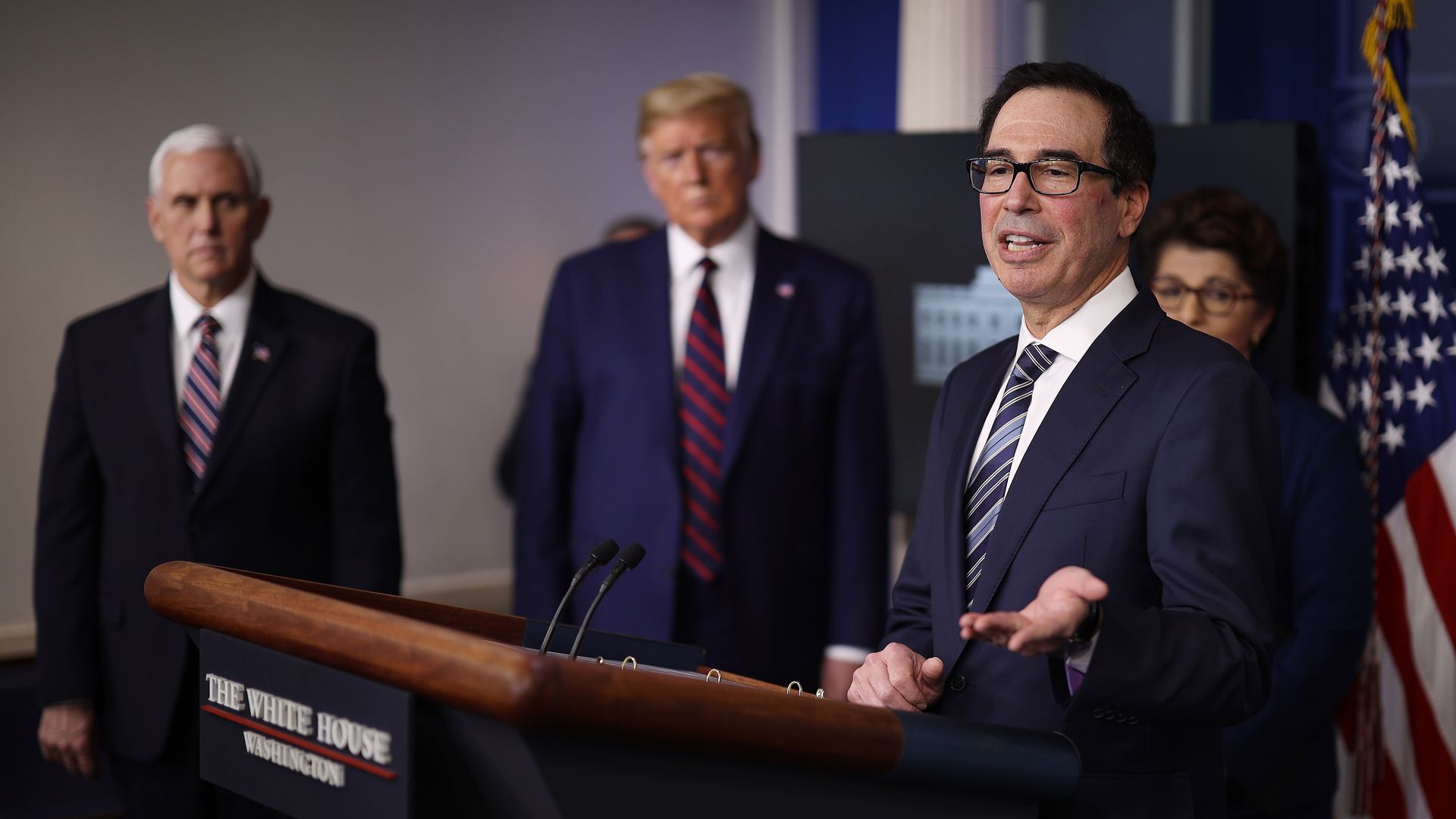
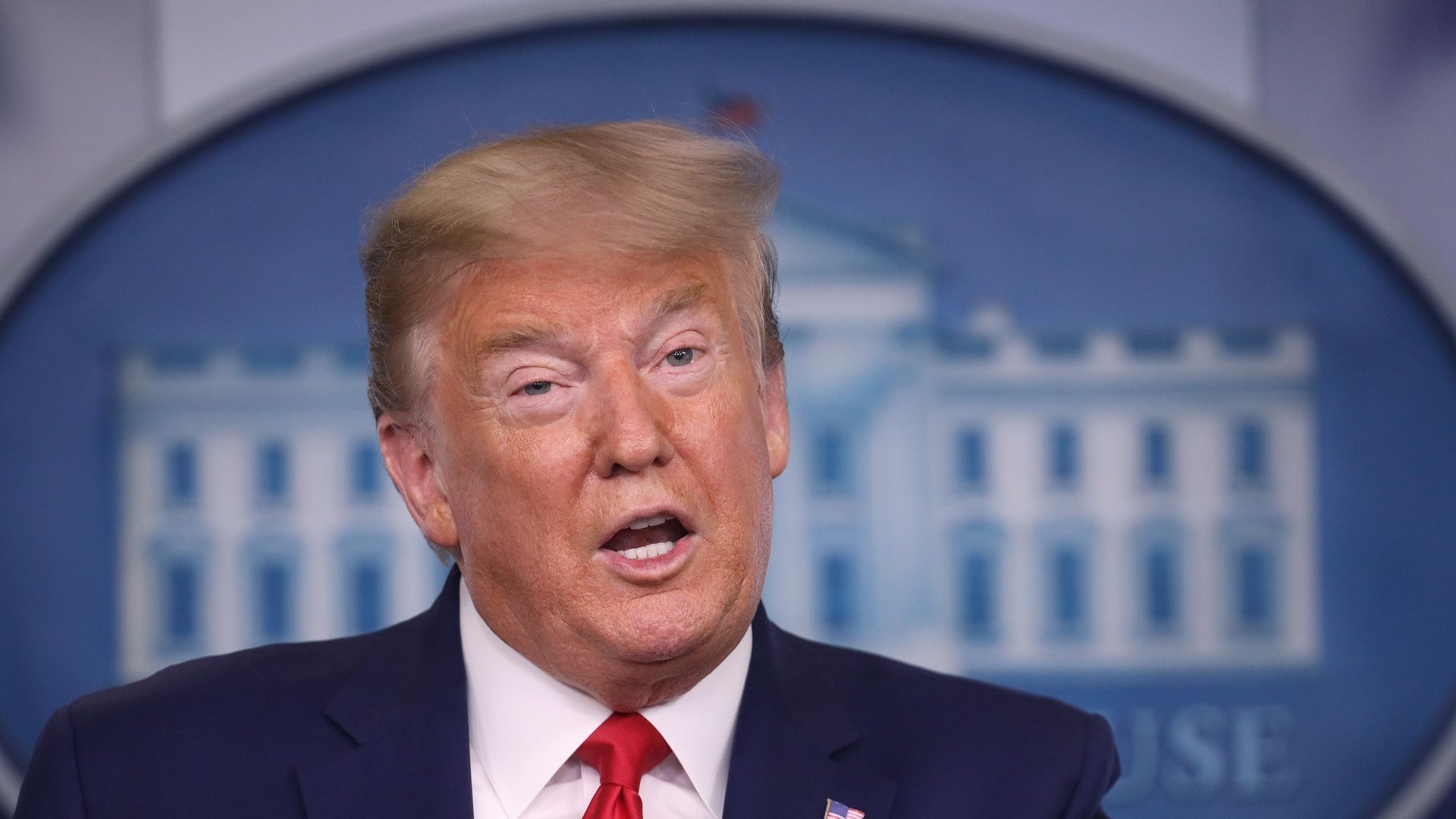
Treasury Secretary Steven Mnuchin said Thursday that oil companies are eligible for aid from new lending programs the Federal Reserve is setting up, but not direct loans from his department.
Why it matters: U.S. producers are facing financial distress from the price collapse that stems from COVID-19 causing an unprecedented drop in oil demand, and the Saudi-Russia price war.
Oil prices surged Thursday after President Trump tweeted that Saudi Arabia and Russia were preparing to jointly cut oil production, but then gave back much of the gain as neither country offered confirmation of his claims.
But, but, but: Saudi Arabia said in a statement it's calling for an "urgent meeting" of the OPEC+ and a group of other countries, including Russia.
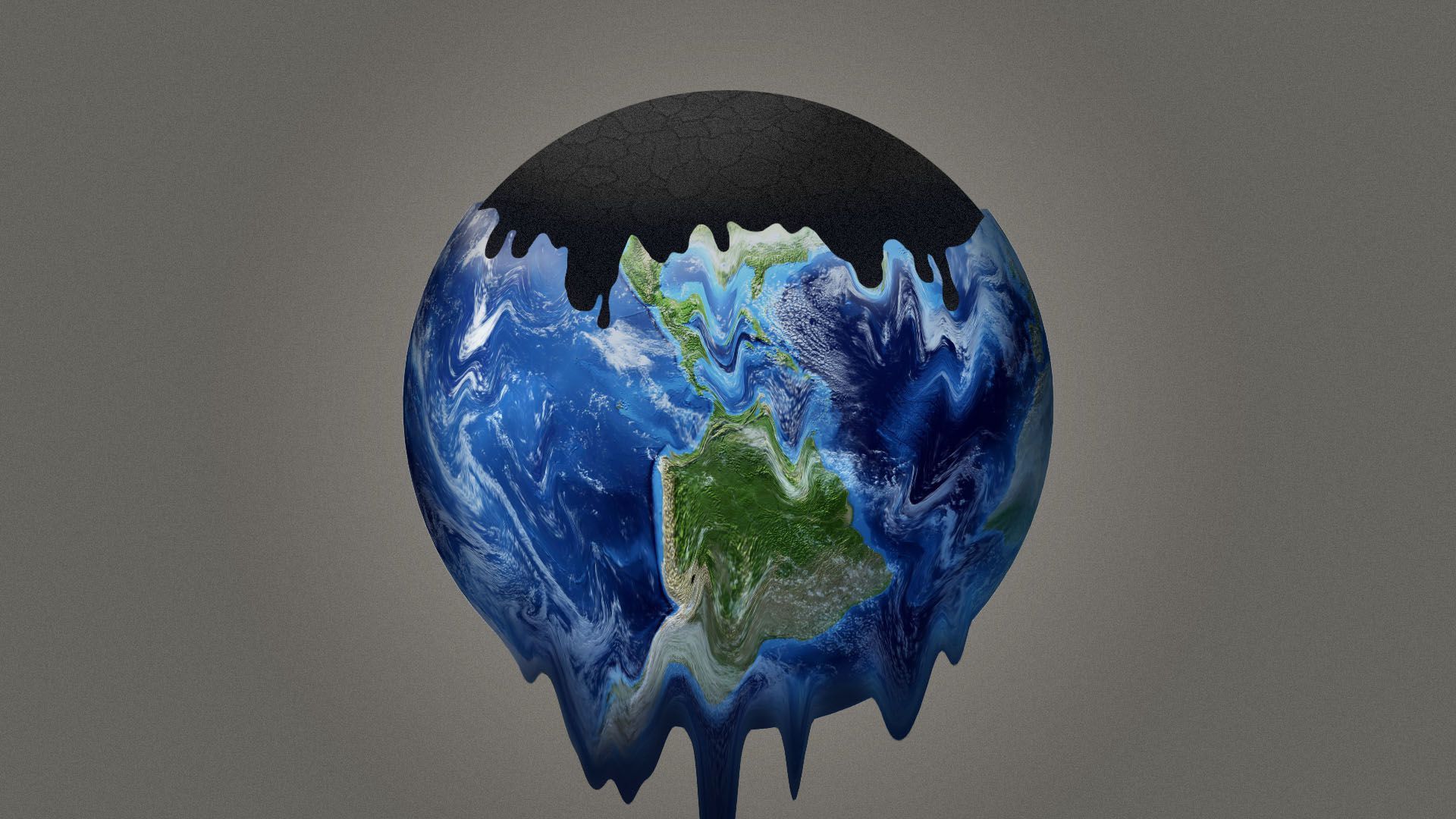
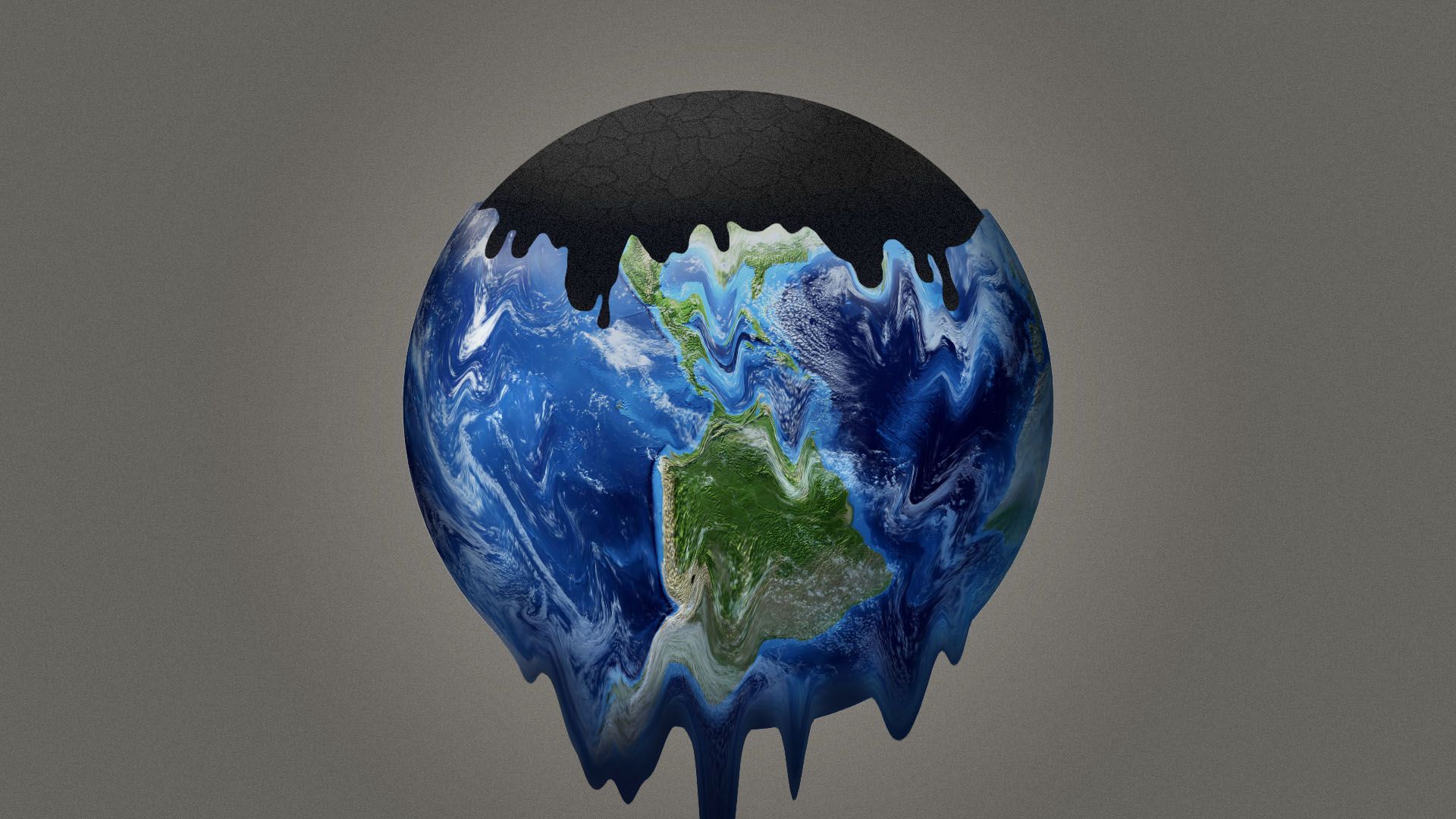
The scuttling of November's pivotal UN climate conference is the starkest sign yet of how coronavirus is throwing a wrench into efforts to combat global warming. But like the wider relationship between the coronavirus and climate initiatives, the ramifications are ... complicated.
Driving the news: UN officials announced Wednesday that the annual summit to be held in Glasgow, Scotland, is postponed until some unknown time next year.
The IEA didn't mince words with the headline on Wednesday's explainer about the upended market: "The global oil industry is experiencing a shock like no other in its history."
Where it stands: It says the biggest force is the utter collapse in demand as the coronavirus outbreak freezes much transportation and economic activity, plus the supply shock from the end of the OPEC-Russia restraints.
Oil prices climbed Thursday morning as traders are responding to President Trump's comments yesterday evening that Russia and Saudi Arabia could soon mend fences on oil supply policy, per the Financial Times.
Driving the news: Trump told reporters that he believes, based on his recent calls with Russian President Vladimir Putin and the Saudi crown prince, that "they will work it out over the next few days."
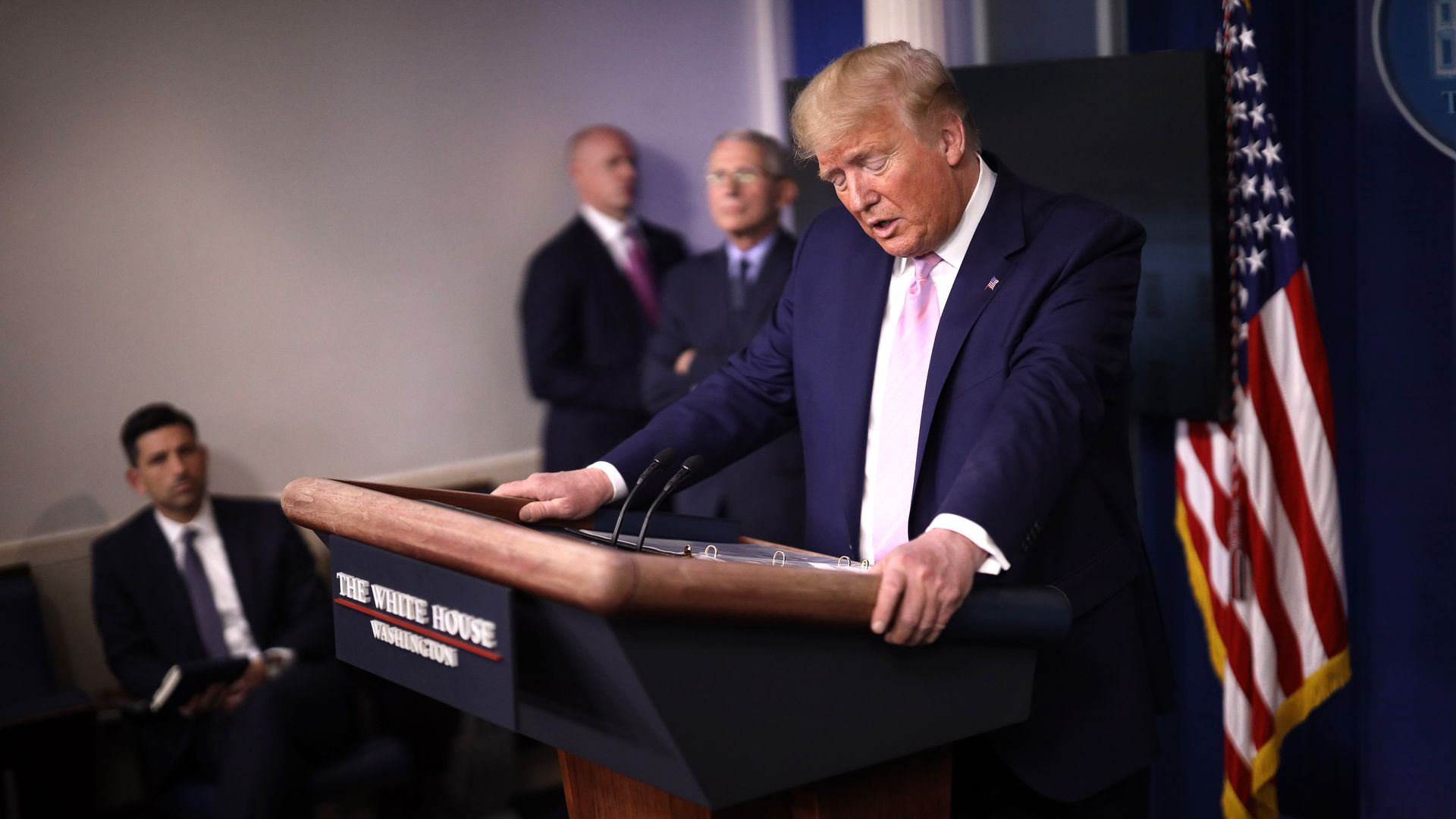
President Trump is slated to meet Friday with top executives of large oil companies to discuss potential ways to help the sector that's facing strong economic headwinds as prices and demand have collapsed, according to industry sources familiar with the plan.
Driving the news: The White House is inviting the heads of Exxon, Chevron and the big independent Occidental Petroleum, and Continental Resources executive chairman Harold Hamm, per the Wall Street Journal, which first reported the plan.
A landmark United Nations climate change summit, originally scheduled for November in Glasgow, Scotland, is being delayed until next year.
Why it matters: This isn't just another major convention scuttled by coronavirus. This is a make-or-break moment as countries face pressure to increase their ambitions to tackle climate change.
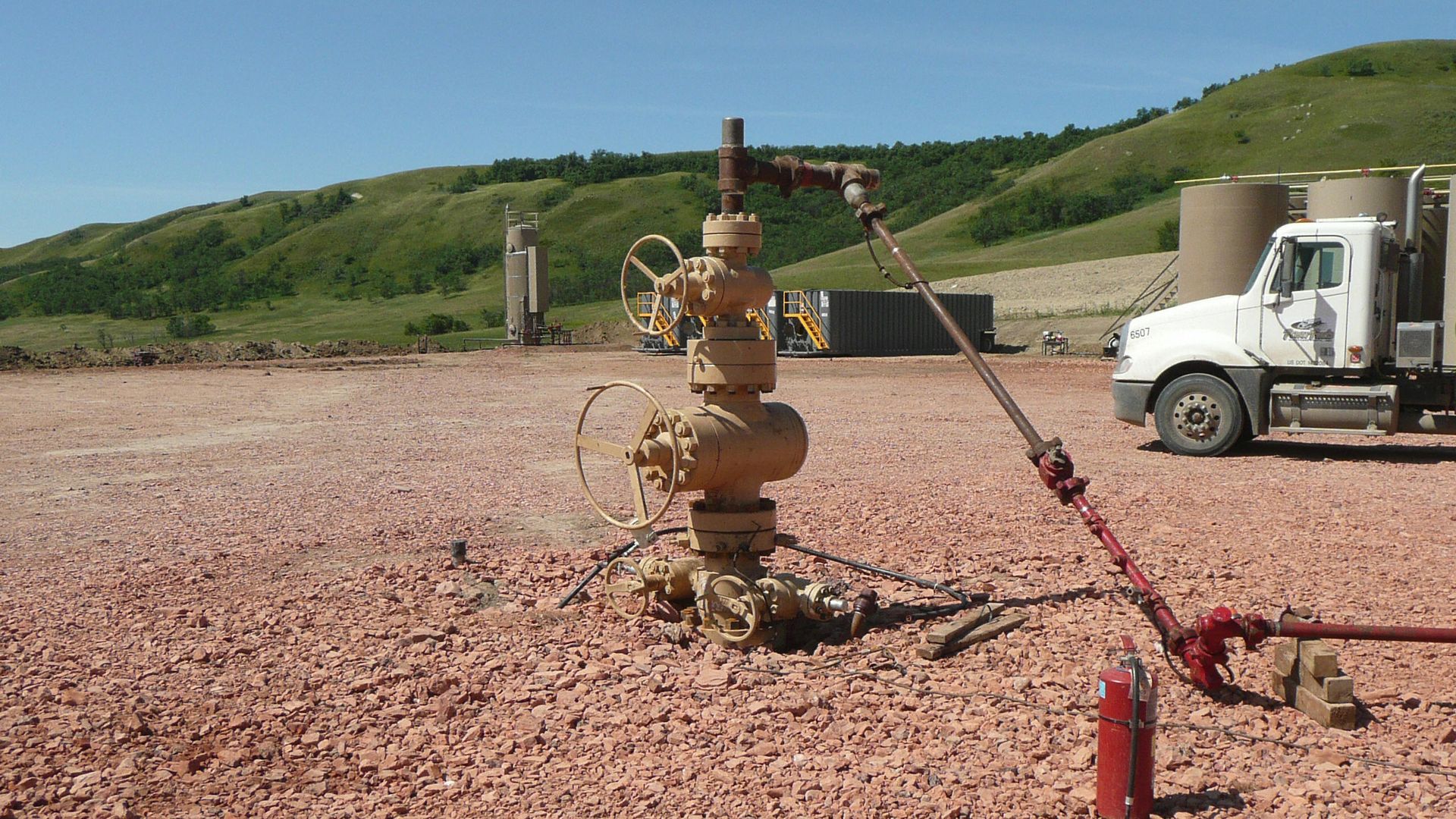
The oil-and-gas producer Whiting Petroleum said Wednesday that it filed for Chapter 11 bankruptcy protection, citing the "severe downturn" in prices stemming from the Saudi-Russia price war and the novel coronavirus pandemic.
Why it matters:The Wall Street Journal notes that Whiting, a substantial producer in North Dakota's prolific shale regions, is the "first sizable fracking company to succumb to the crash in oil prices."
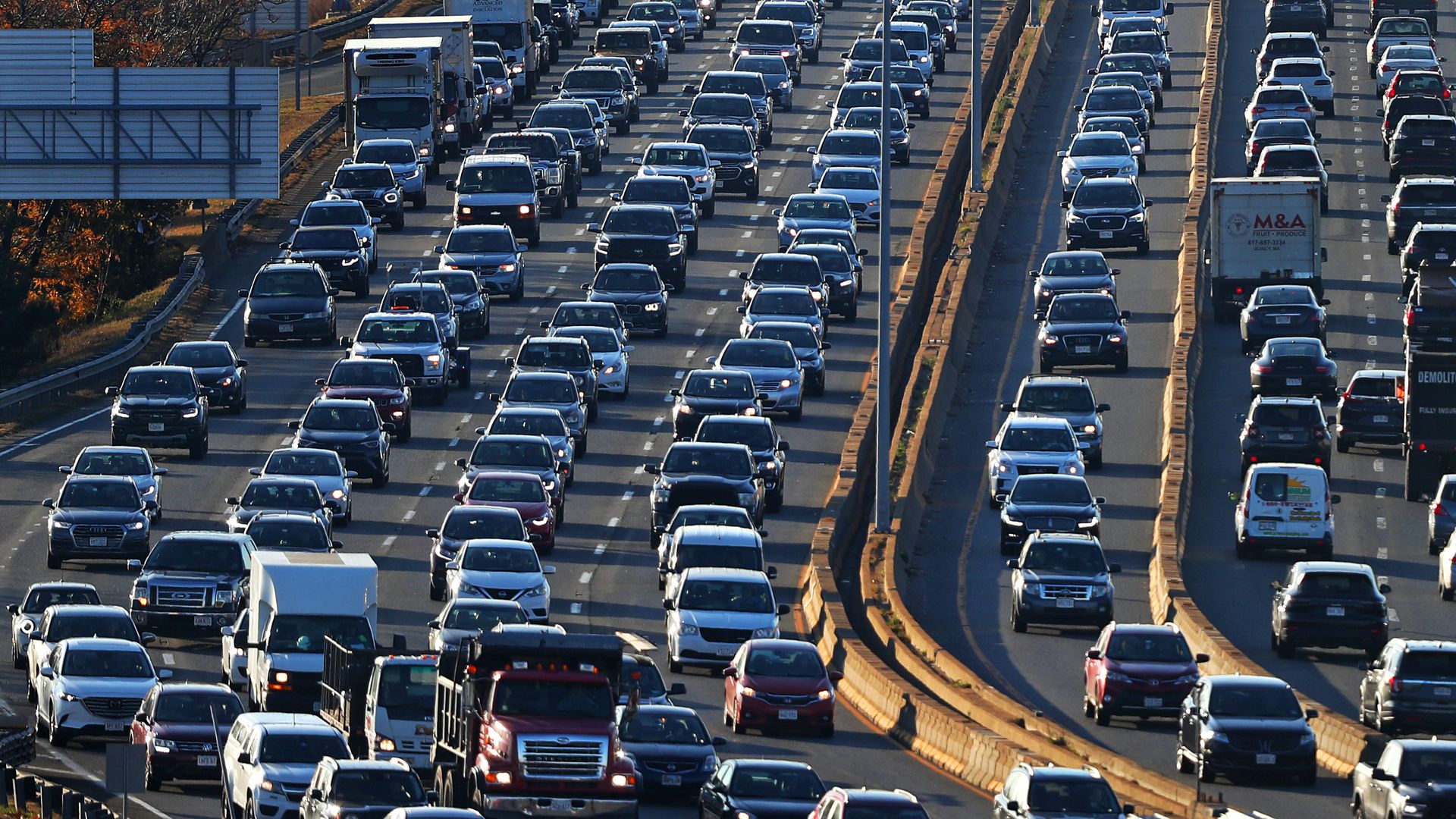
The response to the Trump administration's final rules weakening vehicle mileage and emissions standards through the mid-2020s offers a hint of the shifting plates in the industry and the battles ahead.
Why it matters: The prior rules were a pillar of the Obama-era climate agenda, and transportation is the nation's largest source of greenhouse gas emissions.
The renewable energy sector is pressing for the "phase 4" coronavirus response bill to provide the aid that was omitted from the recent $2 trillion rescue package — and they might have a wider opening this time around.
Why it matters: Wind and solar developers are warning of project cancelations and layoffs as activity is frozen, supply chains are disrupted, and companies risk missing deadlines to use tax credits.