ExxonMobil, citing an "unprecedented environment," said last night that it plans to "significantly" cut spending in light of the coronavirus and the collapse in oil prices.
Why it matters: The oil giant's announcement is the latest sign of how deeply the upended market is affecting the sector.
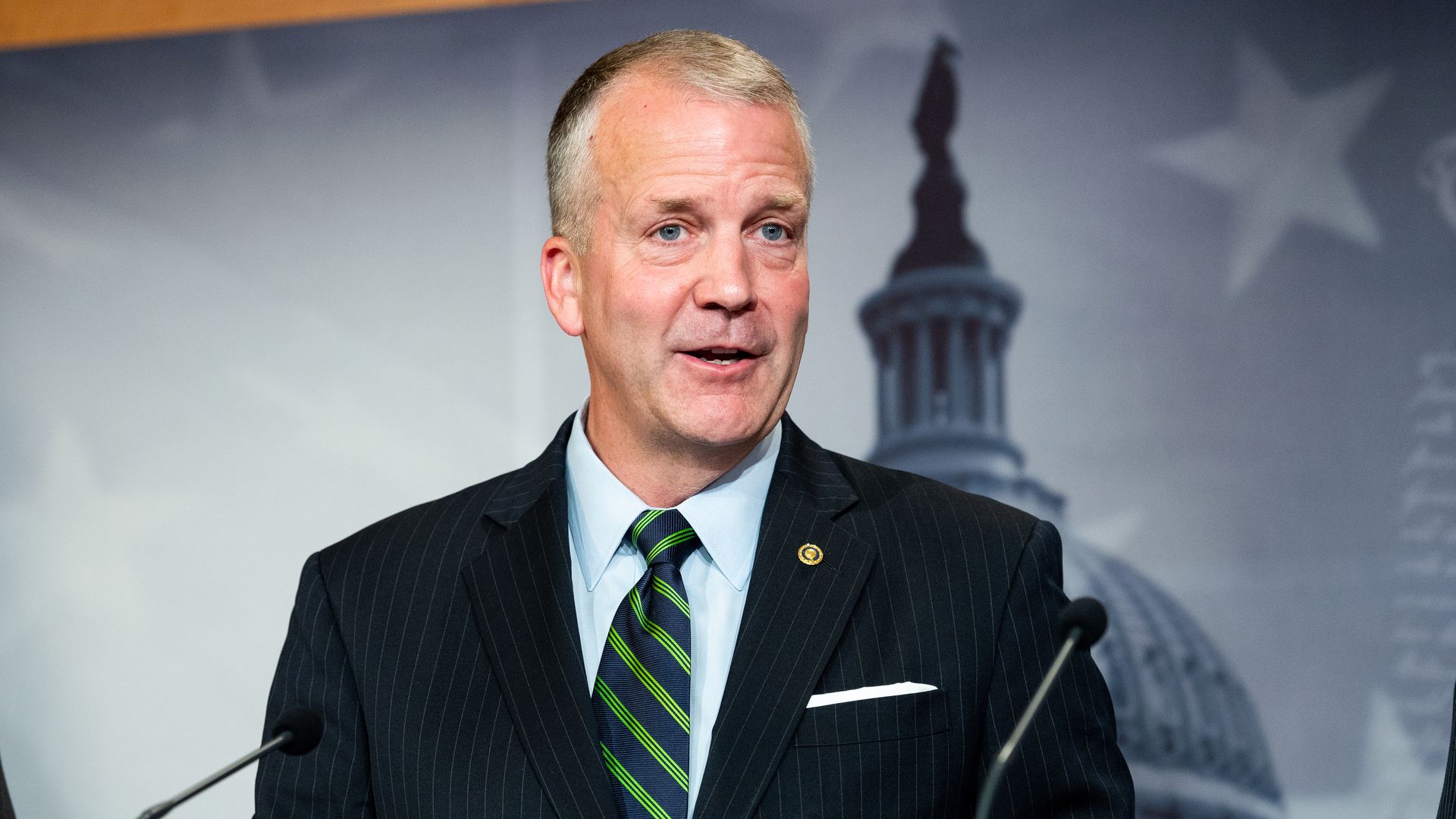
A group of Republican senators is slated to meet with the Saudi ambassador to the U.S. tomorrow to make the case that the kingdom should back off plans to flood the market with low-price crude.
Driving the news: The meeting hosted by Alaska Sen. Dan Sullivan follows an open letter to Saudi leaders from 13 senators, mostly from oil-producing states, which says "unsettled" energy markets are "unwelcome" amid the COVID-19 crisis.
Social distancing is forcing advocacy movements to adjust their tactics, creating new hurdles for climate activists who use mass protests and on-the-ground organizing as important tools.
Why it matters: Climate change has risen on the political radar in recent years. There are many reasons behind this, including the success of the Greta Thunberg-inspired protests and a burst of confrontational advocacy in the U.S. by the youth-led Sunrise Movement.
The first White House coronavirus policy response aimed specifically at the reeling U.S. oil sector may not be a sure thing to occur as President Trump envisions.
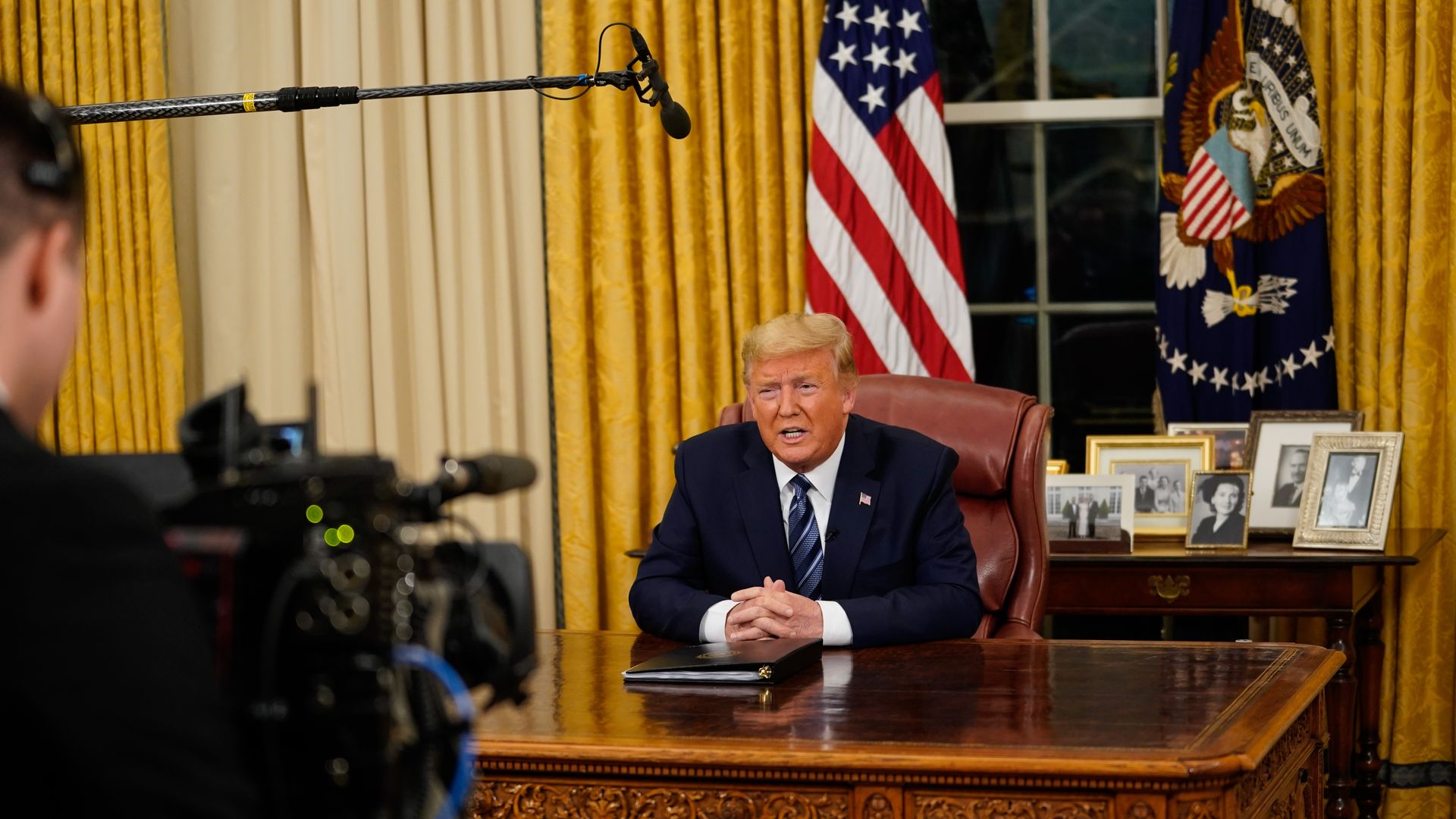
What's happening: Late Friday afternoon Trump said the U.S. would purchase enough crude oil to fill the Strategic Petroleum Reserve "right up to the top," which would ultimately be a $2.6 billion purchase if oil remained at Friday's prices.
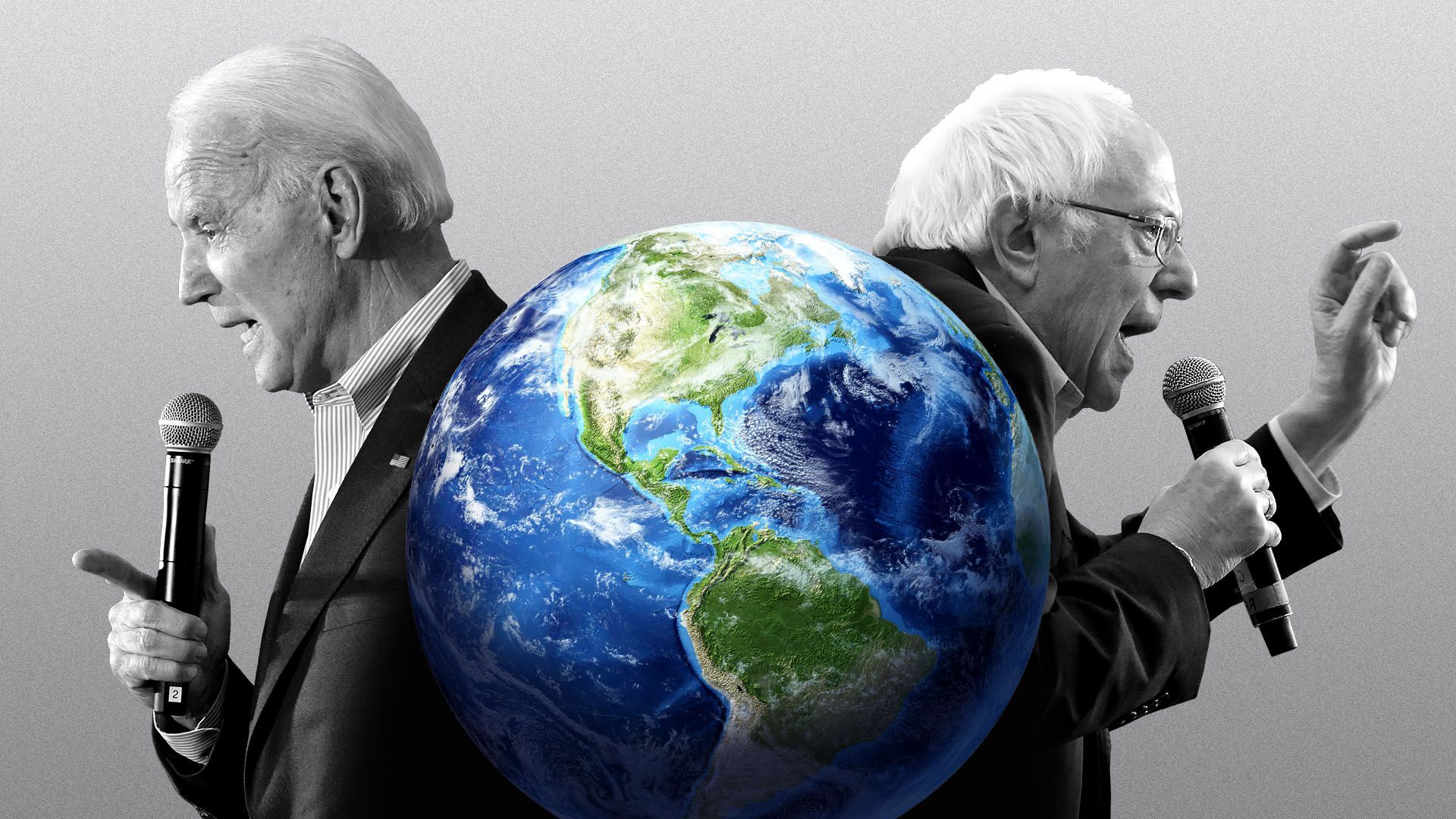
There was a lot of confusion Sunday night about whether Joe Biden made a big change in his energy platform during his debate with Bernie Sanders. He didn't.
What happened: At one point during his exchange on climate policy with Bernie Sanders, Biden said "no new fracking." That raised antennae about whether he was going beyond his existing vow to end new oil-and-gas permitting on federal lands and waters.
Time is what keeps everything from happening at once, someone wisely said.
Yes, but: In once-in-a-lifetime moments when everything does seem to be happening at once, like what’s unfolding with the cascading coronavirus crisis, time is a ruthless prioritizer. Acting on the decades-long problem of climate change falls to the bottom.




/2020/03/13/1584132821069.gif?w=3840)