University of Minnesota student jailed in China over tweets

Add Axios as your preferred source to
see more of our stories on Google.
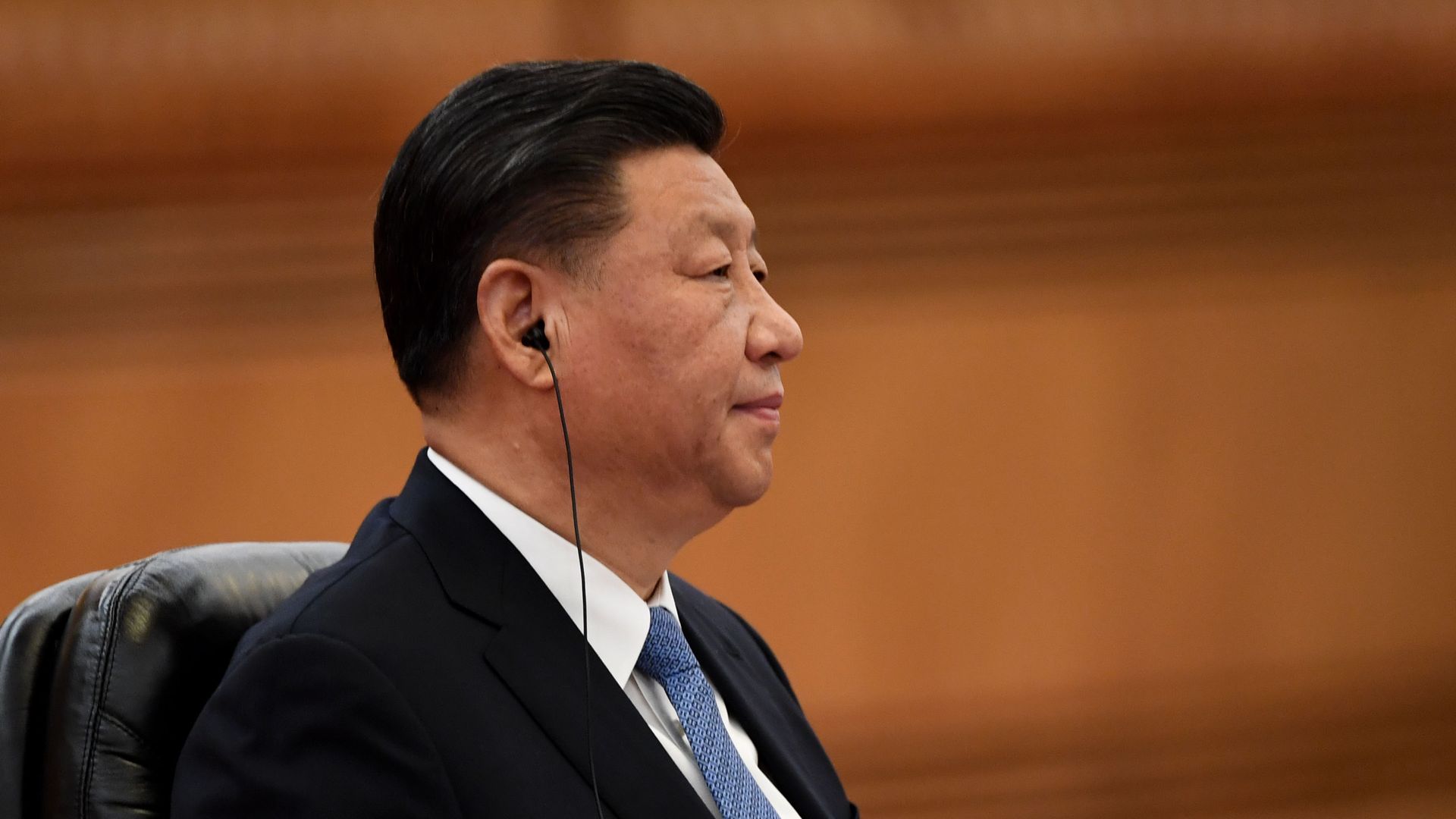
Xi Jinping. Photo: Noel Celis - Pool/ Getty Images
Editor's note: After this article was published in January, the Chinese government removed the court case from their website. The document is available here.
A Chinese student at the University of Minnesota has been arrested in China and sentenced to six months in prison for tweets he posted while in the United States, according to a Chinese court document viewed by Axios. Some of the tweets contained images deemed to be unflattering portrayals of a "national leader."
Why it matters: The case represents a dramatic escalation of the Chinese government's attempts to shut down free speech abroad and a global expansion of a Chinese police campaign to track down Twitter users in China who posted content critical of the Chinese government.
What's happening: Sen. Ben Sasse (R-Neb.) called on China to release the student. "This is what ruthless and paranoid totalitarianism looks like," said Sasse.
Details: According to an official court document dated Nov. 5, 2019, Chinese police detained 20-year-old Luo Daiqing in July 2019 in Wuhan, his hometown, where the liberal arts student had returned after the end of the spring semester.
- The court document says that "in September and October 2018, while he was studying at the University of Minnesota," Luo "used his Twitter account to post more than 40 comments denigrating a national leader's image and indecent pictures," which "created a negative social impact."
- After months of detention, Luo was sentenced in November 2019 to six months in prison for "provocation." (According to the court judgment, the time he spent in detention will count toward those six months).
- A request for comment sent to Luo's university email account received no reply.
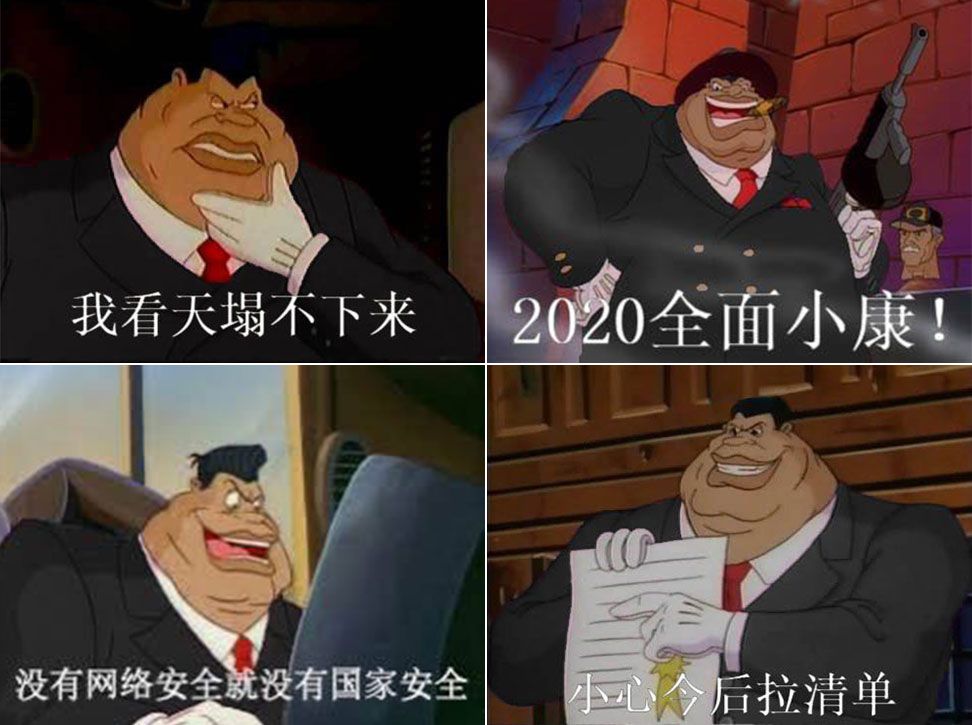
Axios found that a Twitter account known to belong to Luo was opened in September 2018; the last tweet is from June 2019, one month before Luo was detained.
- One tweet superimposed Chinese government slogans over images of Lawrence Limburger, a cartoon villain who bears a resemblance to Chinese President Xi Jinping.
- The account also retweeted several images of Winnie the Pooh, a character currently censored in China after Chinese netizens made an unflattering comparison to Xi.
Between the lines: Chinese students in the United States know that they may be subject to surveillance. Many have become increasingly reluctant to publicly criticize the Chinese government or attend pro-democracy events.
The bottom line: Chinese police are tracking down and silencing Twitter users who post content critical of the Chinese government — even from abroad.
Go deeper: American speech puts spotlight on Chinese censorship
