Jensen Huang is back, but Nvidia is not out of the woods

Add Axios as your preferred source to
see more of our stories on Google.
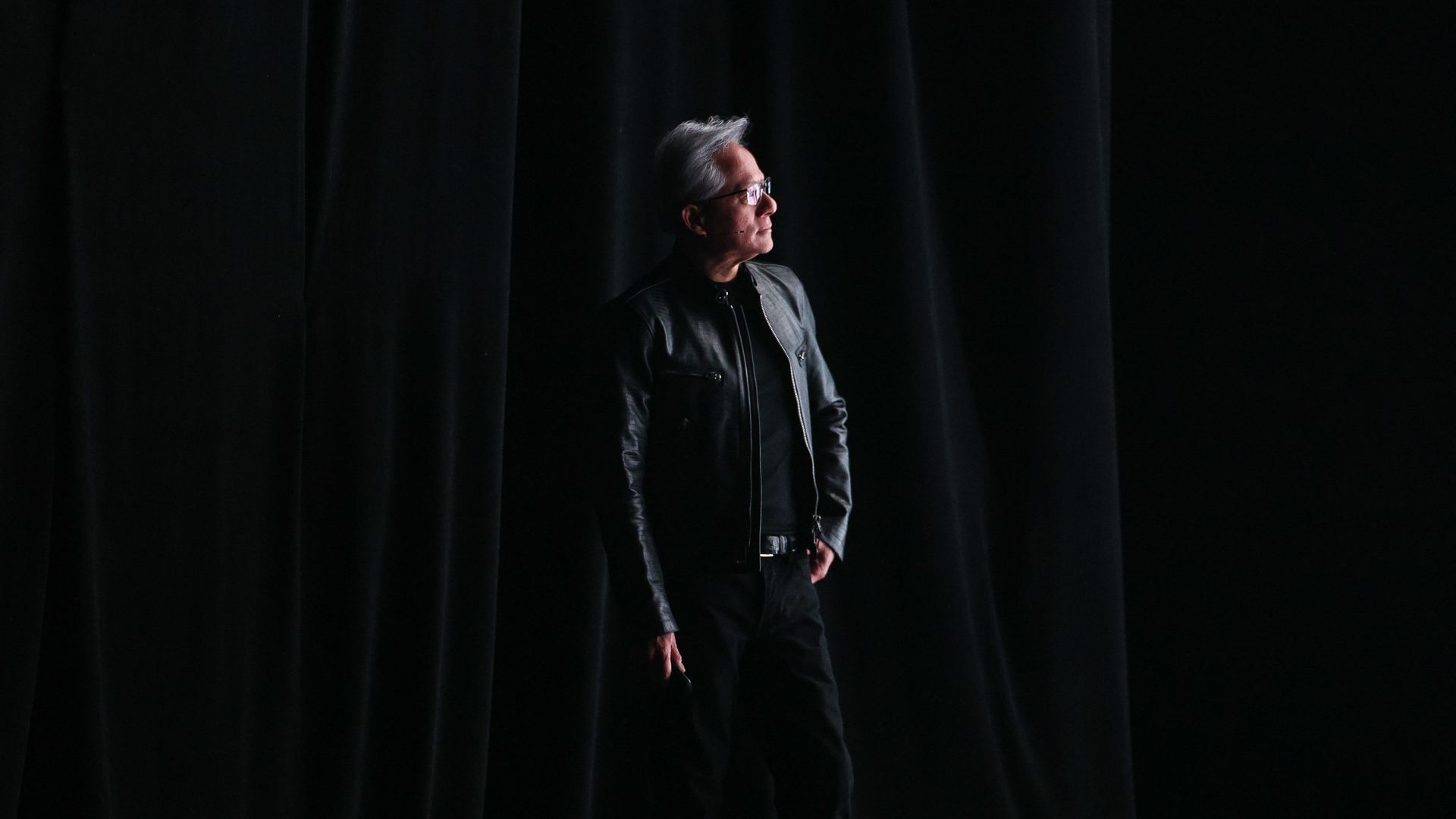
Nvidia CEO Jensen Huang. Photo: I-Hwa Cheng/AFP via Getty Images
With Jensen Huang back as CEO, Nvidia might be hoping for a return to normal — but questions about the scandal, internal turmoil and the direction of federal policy will continue to hang over the company.
Why it matters: The overhang is substantial — the company's market cap remains well over $1 trillion below its all-time high despite a historic stock jump Monday after Huang's return was announced.
The big picture: Nvidia remains dogged by numerous questions:
- What Huang and the board knew and when they knew it regarding Alice Huang, the suspected Chinese spy with whom he acknowledged having an affair.
- Whether Nvidia gave Alice Huang's company, Megaspeed, special treatment in the form of access to AI chips that were then smuggled to China.
- Whether he'll be gentler in his treatment of employees going forward after reports that he regularly belittled and humiliated them.
- Whether the board can provide sufficient oversight after vowing not to reinstate Huang and then doing so days later.
What's next: One of the immediate crises for the company will be the political whirlwind it's facing on Capitol Hill, where Huang will testify twice next week — once in a public forum and once in a nonpublic hearing.
- Democrats and some Republicans are calling for Huang to answer questions that may lead to further disclosures or prompt him to be elusive, which could also be problematic.
What we're watching: One immediate risk to Nvidia is if Washington responds to the crisis by cracking down on AI chip exports, which would hurt Nvidia's financial prospects.
- Plus, even though the Trump administration told Nvidia that Huang had been cleared of wrongdoing under his FBI, a Democrat could win the presidency in two years and conduct their own investigation.
- "To be clear, Juang's personal life is his business. But if Juang and his girlfriend were facilitating China's access to advanced Nvidia chips, in violation of U.S. export controls that were applied for national security reasons, that is very much OUR business," Democratic political adviser David Axelrod said on X.
For Huang personally, he'll face a challenge of restoring trust after he misled the public and the board about the nature of his relationship with Alice Huang (no relation).
- It "shows a complete lack of transparency," says Charles Elson, a corporate governance expert and former University of Delaware professor. "Can you ever trust anything? Can you ever rely on the statements he makes in the future?"
The other side: Huang told workers Tuesday in an internal meeting that he's in therapy, acknowledging personal mistakes and defending the board's decision to bring him back, according to a person who attended the meeting.
- Nvidia reps did not respond to requests for comment.
Reality check: One thing that's probably not a big threat is shareholder lawsuits — at least in terms of the total financial penalty they could pose to a company that's worth trillions of dollars.
- The largest shareholder lawsuit settlement ever was Enron's $7.2 billion deal, according to Stanford Law School's Securities Class Action Clearinghouse.
- "I don't think I can name a company of this size that a shareholder lawsuit somehow has brought it to its knees," Schloetzer says.
