What October's jobs report means for Fed monetary policy

Add Axios as your preferred source to
see more of our stories on Google.
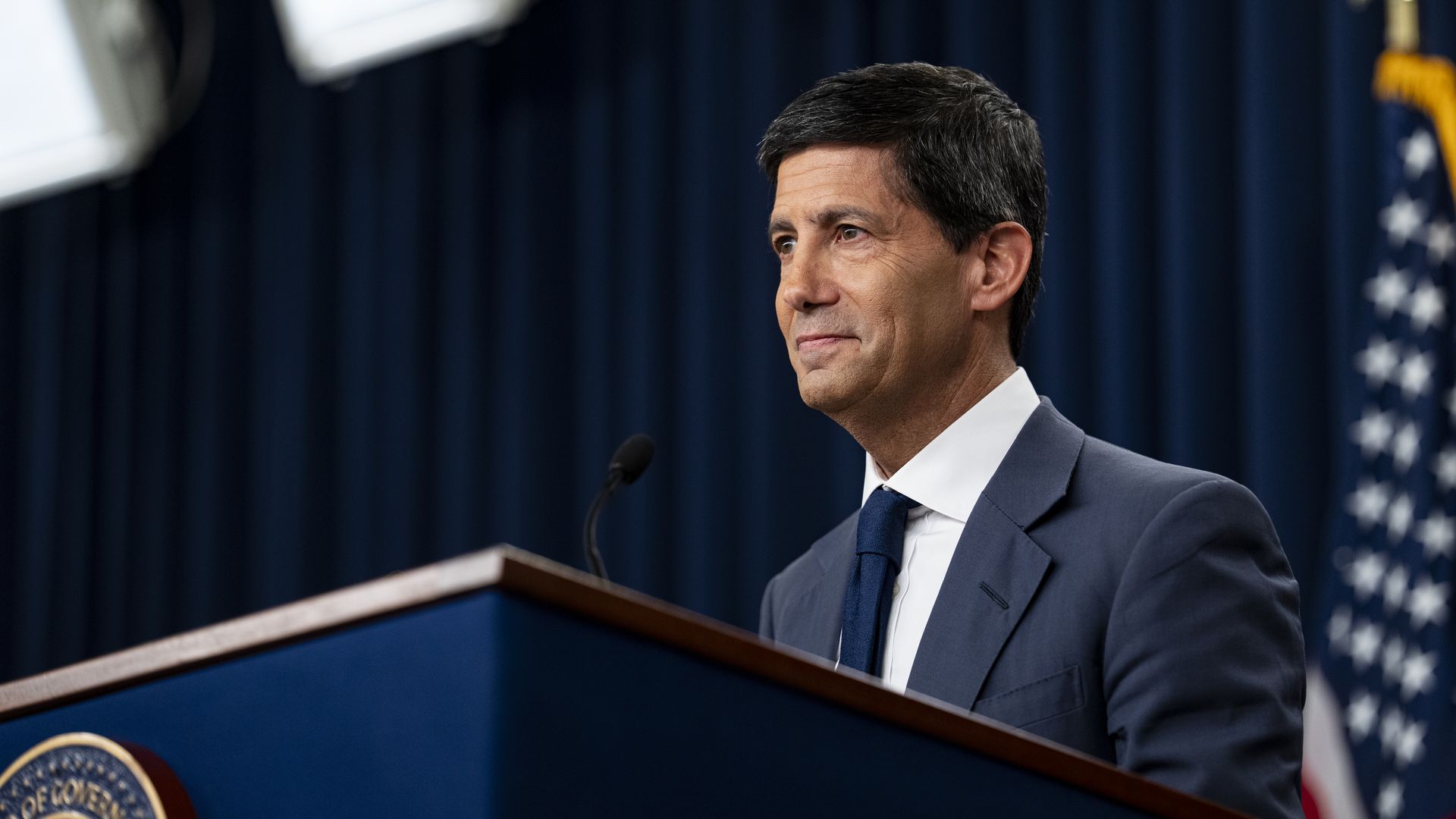
Federal Reserve chairman Kevin Warsh speaks at a press conference in Washington, D.C. last week. Photo: Al Drago/Getty Images
Looked at in isolation, the new jobs numbers bolster the case for more interest rate increases from the Federal Reserve. Monetary policy decisions, however, don't happen in isolation.
The big picture: The strong October labor market data comes at a moment when inflation, not employment, is the Fed's predominant focus. And it comes after the worst day for financial markets in 18 months, which raised the risk that a broader tightening of financial conditions is underway.
- The new data probably doesn't lock in the kinds of further interest rate hikes that it might against a different backdrop — or a different policy conjuncture, to use chairman Kevin Warsh's favorite phrase.
State of play: Some of the aspects the Fed most scrutinizes for evidence of labor market tightening are showing clear signs of heat, particularly the surge in average hourly earnings and downtick in the unemployment rate.
- Fed officials have signaled the second interest rate increase this year is likely at a meeting next month, but it is less clear whether further tightening is on the way in 2027.
- They have indicated that elevated inflation is their foremost concern right now, amid broad stability in the job market outlook.
The intrigue: Thursday's market sell-off raised the prospect that the froth may be coming out of the AI/data center boom that has powered overall economic growth forward — and contributed to higher inflation — this year.
- If that continues in the weeks ahead, it raises the prospect that the Fed will be done hiking rates after December, as officials see the market doing the work of tightening for them.
Of note: Moves in bond and futures markets support the idea that, while the jobs numbers point toward more rate increases, the report wasn't a game-changer for monetary policy.
- The two-year Treasury yield, most sensitive to policy, was up a mere 0.04 percentage point Friday morning.
What they're saying: "The latest jobs data suggest labor market conditions are tightening, and with inflation well above target, that adds to the case for a December rate hike," wrote Matthew Martin, senior U.S. economist at Oxford Economics, in a note.
- "However, given most of the core inflation overshoot we expect is tied to spillovers from higher energy prices and AI-related pressures, continued falls in tech stocks and oil prices could eliminate the prospect of an additional hike in early 2027," he added.
