Meta hit with $25 billion penalty for misleading Facebook users

Add Axios as your preferred source to
see more of our stories on Google.
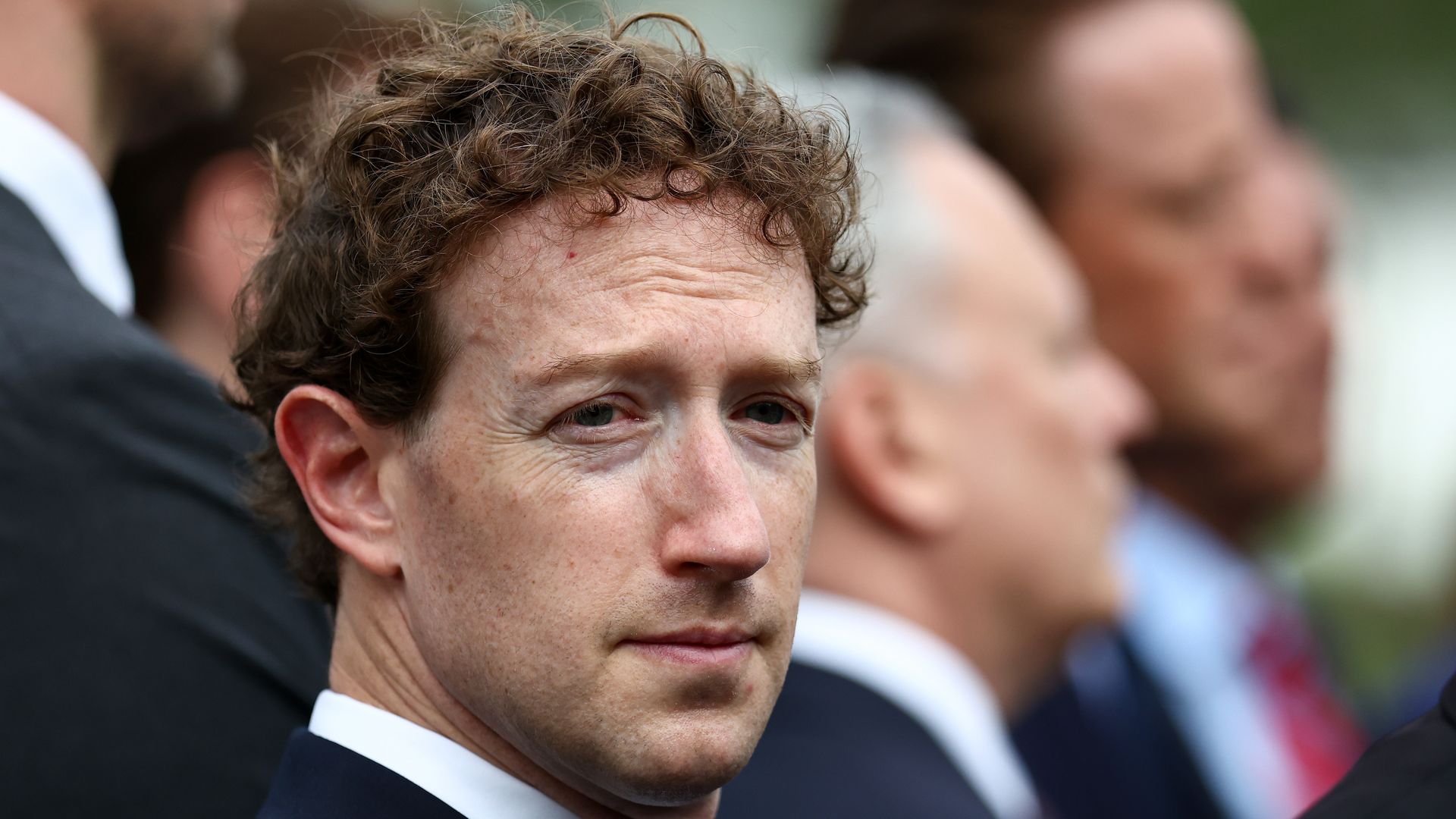
CEO of Meta Platforms Mark Zuckerberg looks on at the White House on Sept. 29, 2026. Photo: Finn Gomez/Getty Images
A New Mexico judge ordered Meta to pay $25 billion in penalties Wednesday after a jury found in September that the social media giant misled users about their data privacy.
Why it matters: The penalties come nearly a decade after the Cambridge Analytica scandal first broke and signal that Big Tech can face significant financial consequences for misleading users about their privacy.
Driving the news: Judge Francis Mathew determined the penalty amount Wednesday, handing New Mexico a win as the only state to take its claims to trial after 48 others settled.
- Mathew concluded New Mexico was entitled to $219.5 billion based on the state's maximum $5,000 penalty multiplied by 43,899,720 violations. He reduced that to $25 billion.
What they're saying: "This ruling, and the Attorney General's approach to this enforcement, makes it all but impossible to do business in the state of New Mexico," C.J. Mahoney, Meta's chief legal officer, told Axios in an emailed statement.
- "At its core, this lawsuit seeks to impose a tax on speech to enforce new rules for what people can say online. We are confident we will prevail on appeal. In the meantime, Meta will continue to build a safe and free platform to connect millions of Americans, grow small businesses, and help the country maintain its competitive edge."
Catch up quick: In September, a New Mexico jury said Meta had committed 43 million "willful violations" of the New Mexico Unfair Practices Act.
- Mathew found that Facebook's privacy controls failed to give users meaningful control over their data and that third-party app developers could access their information through the platform's systems.
- Mathew found Mark Zuckerberg knew users didn't understand how data privacy works, and exploited that, noting that the CEO had once written that users "probably don't understand their current privacy settings or care about who sees their updates."
- Zuckerberg also wrote that the company should give users "a chance to change their privacy settings but obviously don't encourage it."
Zoom out: The suit followed reporting that revealed data firm Cambridge Analytica had harvested data from more than 50 million Facebook users to craft political ads during the 2016 election.
- After the scandal, Facebook promised more transparency, but the court found Meta failed to consistently inform users when their data was misused.
Editor's note: This story has been updated with additional information throughout.
