Axios Live: Sen. Todd Young says China's out front on biomanufacturing

Add Axios as your preferred source to
see more of our stories on Google.
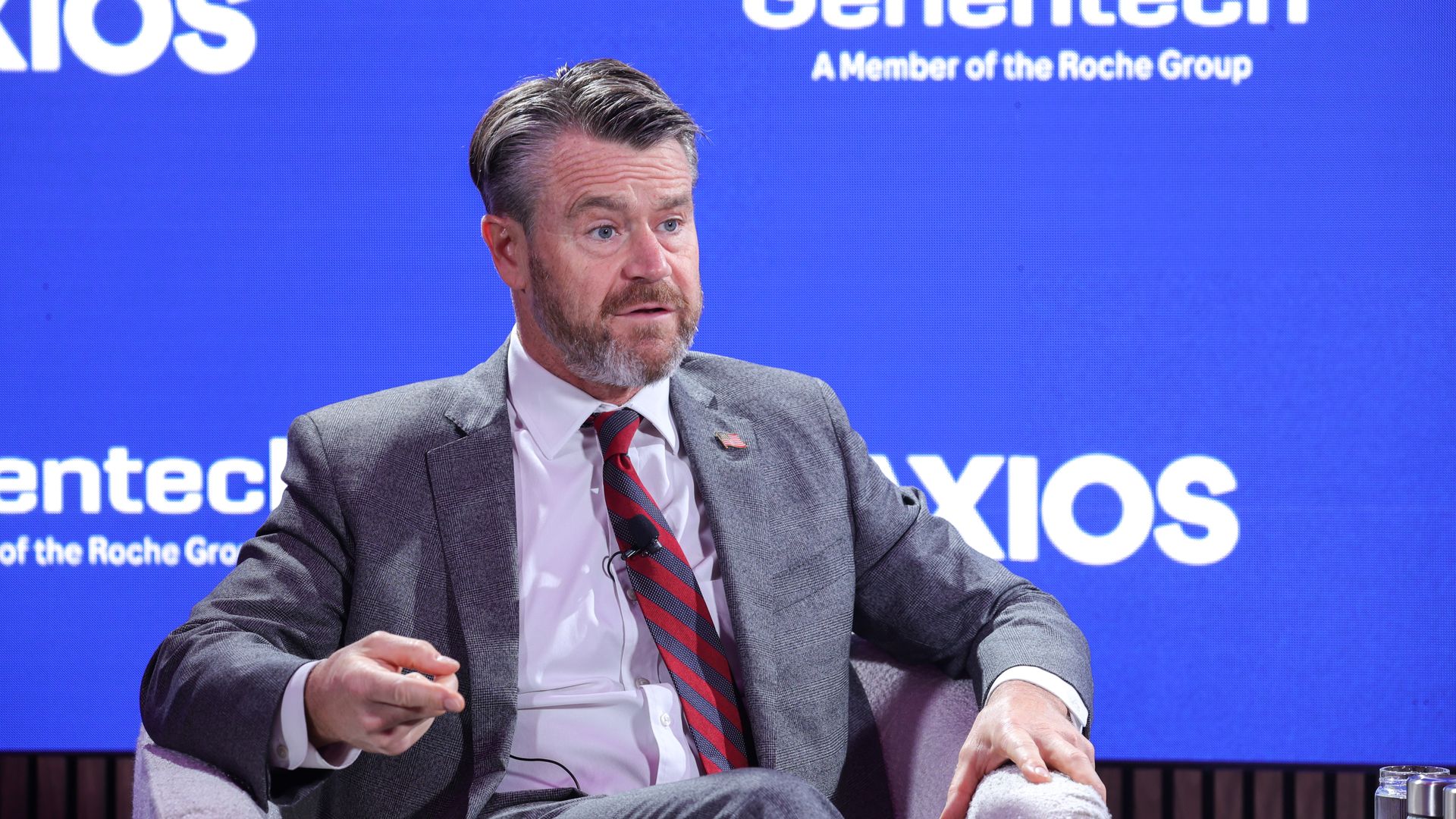
Sen. Todd Young (R-Ind.) at an Axios event. Photo: Bryan Dozier for Axios
WASHINGTON — China is ahead of the U.S. on biomanufacturing, presenting a national security challenge for policymakers, Sen. Todd Young (R-Ind.) said at an Axios event.
Why it matters: America's biopharma industry and patients depend on a major U.S. rival for essential drugs and critical supply chains, compounding pressure on the Food and Drug Administration to modernize its regulatory process.
Axios' Stef Kight and Caitlin Owens spoke with Rep. April McClain Delaney (D-Md.), Healthcare Leadership Council president and CEO Maria Ghazal and Young. The Sept. 23 event was sponsored by Genentech.
What they're saying: Young said that the same biotech advancements that contribute to American drug development could also "lead to threats to our own warfighters and the American people."
- "In order to get to those innovative technologies and ensure we're safe from any intrusion from biotech threats that might come from China or others, we need to get better at biomanufacturing… and we are behind," Young said.
- McClain Delaney said China is devoting significantly more government resources to biotech and called on the U.S. government and private sector to work together to ensure "we lead the standard-setting in the biotech arena."
Yes, but: Ghazal said cutting off collaboration with Chinese companies could limit drug and treatment innovations that benefit U.S. patients.
- "If we restrict ourselves too much, China will really … have the upper hand," Ghazal said.
What's next: Young suggested the Trump administration expand its proposed AI hotline with China to include "things that can create existential risks for the American people," including biological threats.
Content from the sponsor's segment:
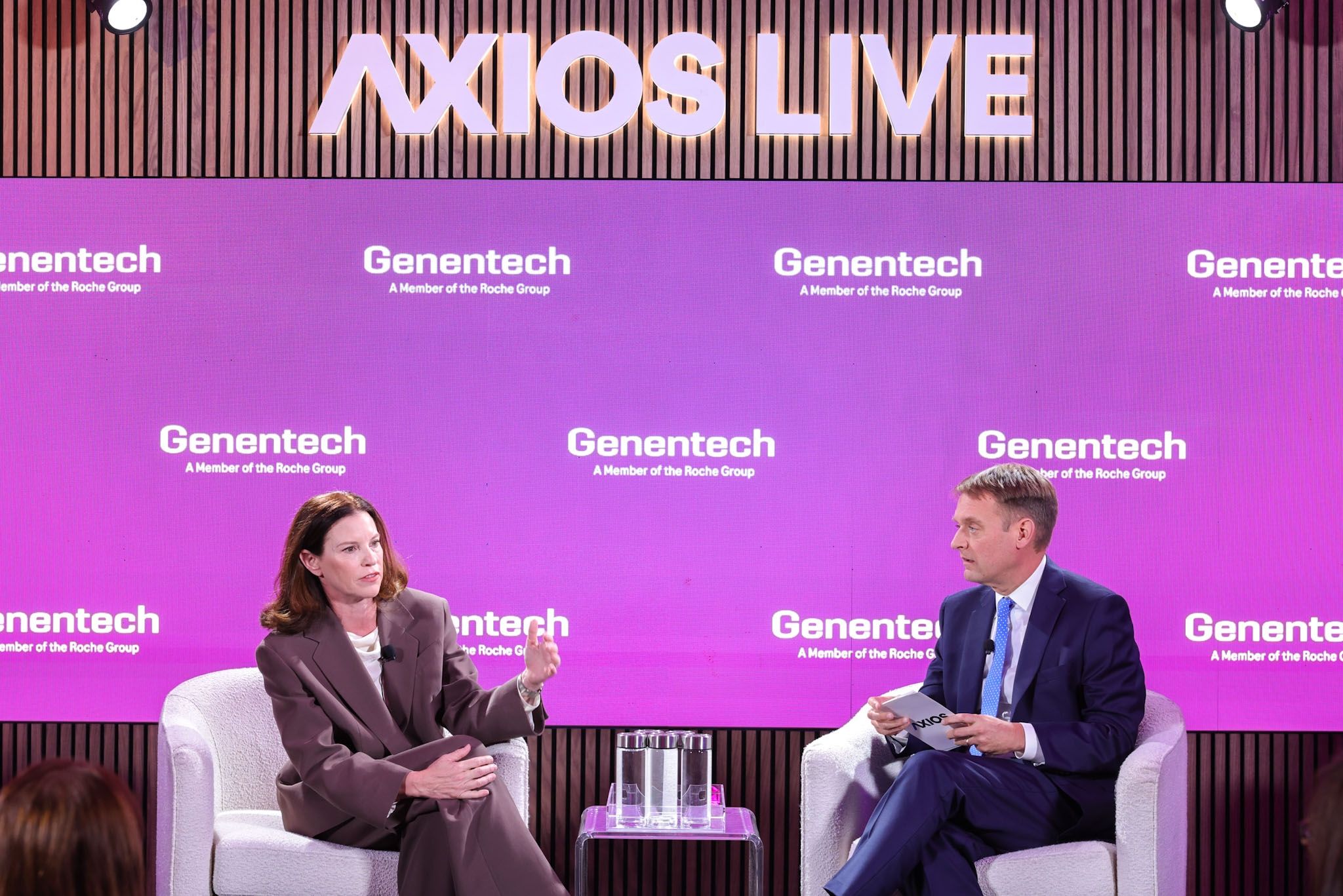
During a View From the Top conversation, Genentech CEO Ashley Magargee said the biotech company's use of AI can condense some early-stage research from years to months, with the goal of getting care to patients faster.
- "We're going to be able to diagnose patients earlier and earlier, before even they have symptoms that emerge," she said.
Go deeper: Watch the full event.
