The dangerous risks of stopping Ozempic and GLP-1s

Add Axios as your preferred source to
see more of our stories on Google.
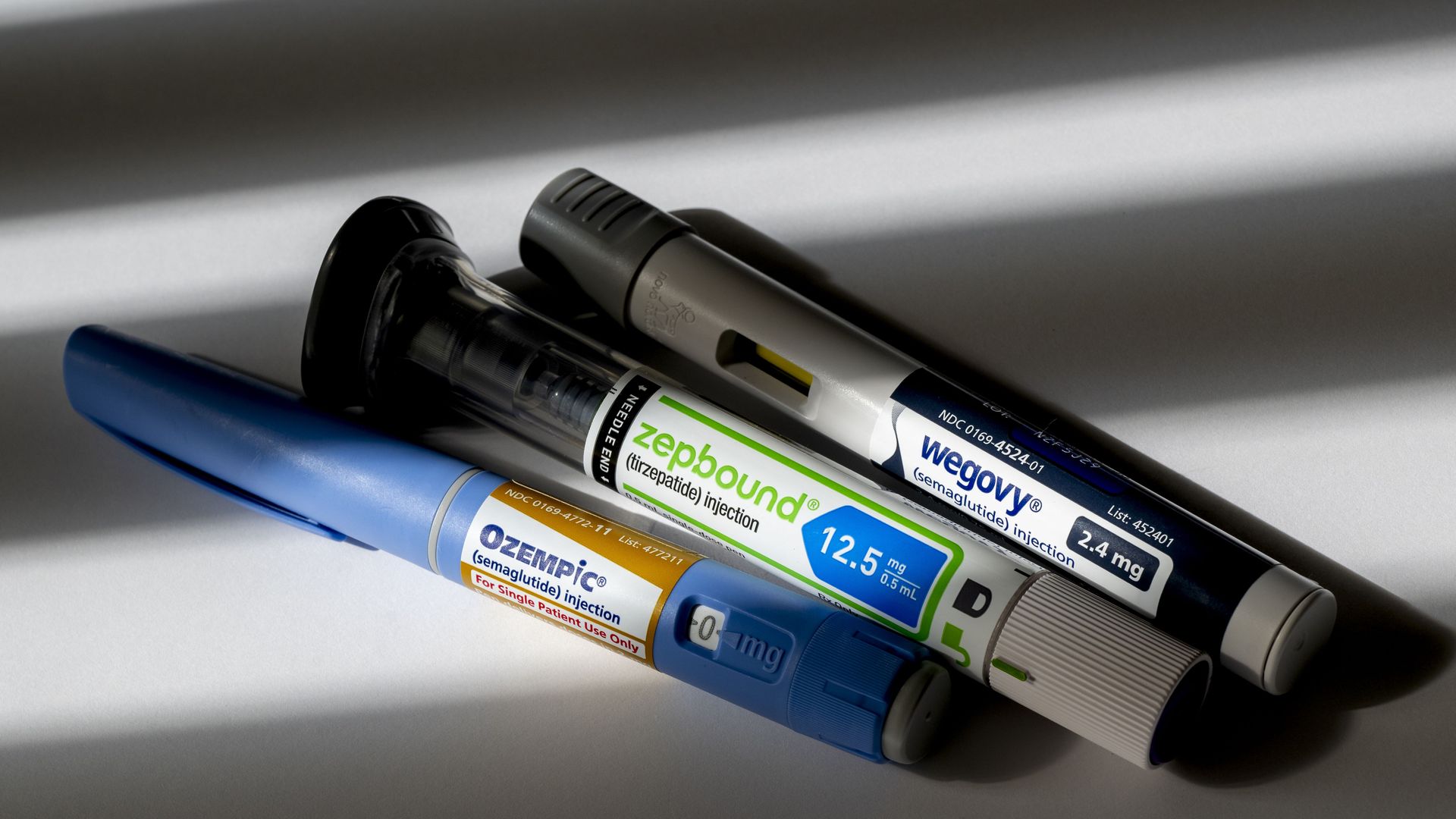
A photo illustration shows weight loss injection pen medications. Photo: Michael Siluk/UCG/Universal Images Group via Getty Images
Stopping Ozempic and other GLP-1 drugs may carry health risks beyond weight regain, according to a growing body of research.
Why it matters: Many patients stop GLP-1 treatment because of cost, side effects or other reasons, but emerging research suggests some cardiovascular and metabolic benefits can fade after treatment ends.
- That said, many GLP-1 patients have conditions such as diabetes and obesity that already carry elevated cardiovascular and metabolic risks.
State of play: Millions of Americans use Ozempic and other GLP-1 drugs for benefits including weight loss and improved blood sugar control.
- But an August JAMA Network Open study of more than 157,000 first-time semaglutide users taking it for obesity in Denmark found that 49% discontinued the drug within 12 months.
- About one-quarter of those who stopped restarted semaglutide within three months.
Here's what researchers say can happen when people stop taking GLP-1 drugs:
Heart attack, stroke and death
Driving the news: A Washington University School of Medicine study found that stopping GLP-1 treatment was associated with a rapid increase in cardiovascular risk.
By the numbers: Patients who went two years without GLP-1 treatment had a 22% higher relative risk of heart attack, stroke and death compared to those who continued taking the drugs, the study found.
- The study followed more than 333,000 U.S. veterans with type 2 diabetes for three years and found elevated risks even among those who stopped treatment for six months.
- Longer gaps in treatment were associated with increased risk, the researchers said.
What they're saying: "When they stop, it's not just weight that comes back; they experience a resurgence in inflammation, blood pressure, and cholesterol," senior author Ziyad Al-Aly, a WashU Medicine clinical epidemiologist, said in a release.
Heart failure and coronary artery disease
Zoom in: A review published in March in Diabetes, Obesity and Metabolism found that stopping GLP-1 treatment within the first year was associated with higher risks of coronary artery disease and heart failure compared with continued treatment.
- The review, which synthesized evidence involving more than 289,000 patients, found that 60%–90% of lost weight may return within a year.
- The review said that improvements in blood sugar, blood pressure and cholesterol can reverse as well.
Blood sugar and metabolic problems
Similarly, a review published in Nature Reviews Endocrinology in May found that stopping GLP-1s commonly leads to rising blood sugar and the loss of improvements in cardiovascular risk factors.
- Researchers warned that stopping and restarting GLP-1s could increase long-term heart risks due to fluctuations in weight and blood sugar.
Yes, but: The researchers said there's limited data showing how often serious outcomes occur after discontinuation.
What researchers are watching
The intrigue: A recent Cell Reports study in mice suggests there could be a biological mechanism that pushes weight back up after weight loss.
- The study found signs of an "obesity memory" in the fat cells of mice that researchers say could help explain why the body is biologically prone to regain weight after weight loss.
- Researchers are studying whether that mechanism could be targeted to slow weight regain after GLP-1 treatment.
What we're watching: Companies are starting to build drugs that aim to maintain weight loss results after the GLP-1 treatment ends.
- Enveda says its experimental ENV-30 pill is designed to mimic a molecule released during high-intensity exercise.
- The company plans to study whether the drug can help people maintain weight after stopping GLP-1 treatment.
