The Fed's big inflation test

Add Axios as your preferred source to
see more of our stories on Google.
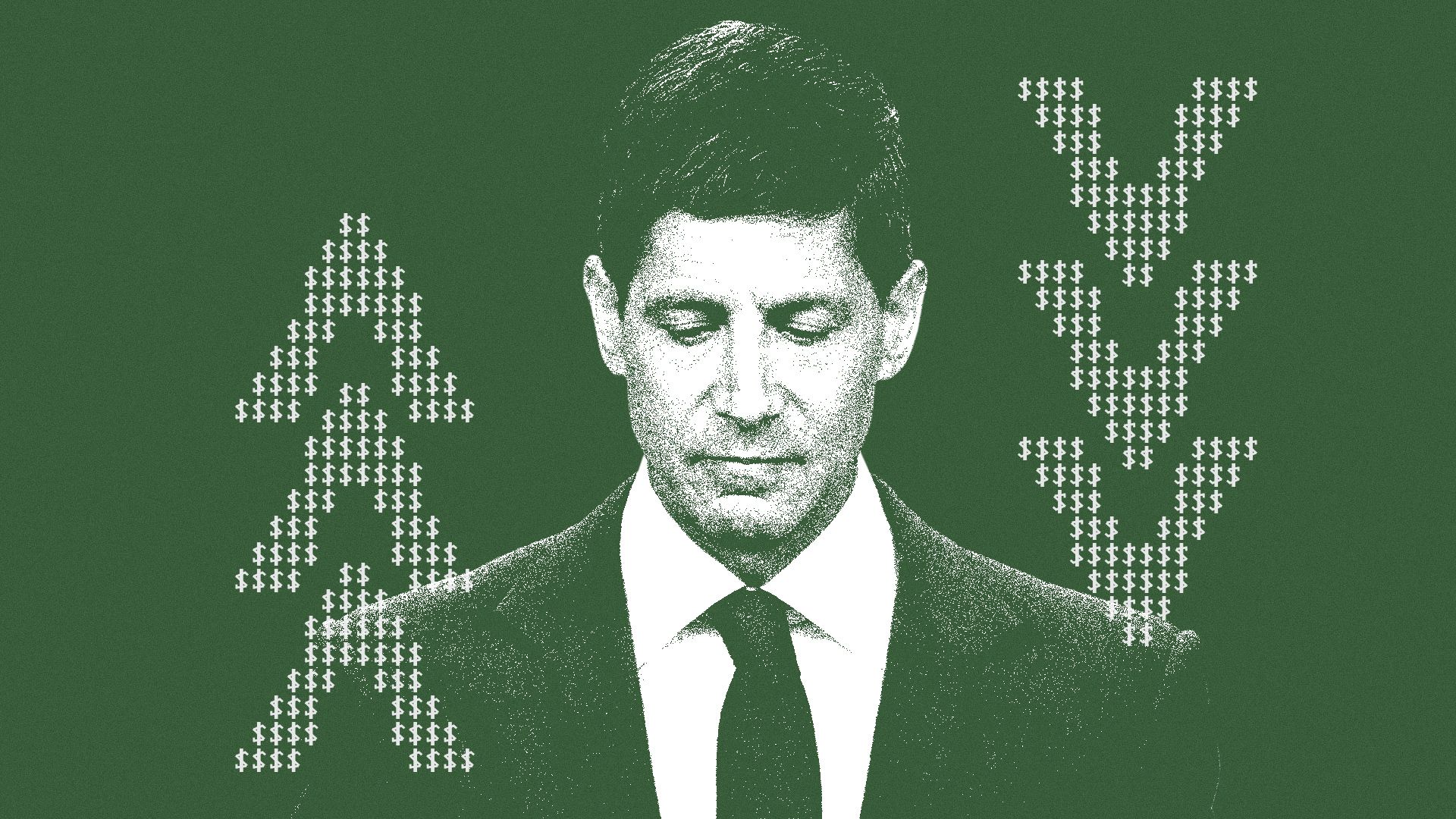
Illustration: Aïda Amer/Axios. Photo: Brendan Smialowski/AFP via Getty Images
The Fed looks boxed into raising interest rates next week after Friday morning's hot inflation report. Less certain is what comes after that.
Why it matters: August inflation was shaping up to be a crucial test ahead of next week's interest rate decision, after Fed chairman Kevin Warsh signaled that stubborn price pressures could warrant tighter policy.
- Since then, a run of economic data has bolstered the case for a rate hike: a surprisingly strong jobs report, hot wholesale inflation and now a pickup in core consumer prices. That all comes alongside a fresh burst in energy costs that is on track to keep inflation elevated once September data starts rolling in.
- A hike would put Warsh on a collision course with President Trump, who threatened an escalation of his trade war if the Fed did not cut rates.
- Assuming the Fed's policy committee raises rates on Wednesday, Warsh will face immediate pressure to communicate whether it is a one-off adjustment or the start of a tightening campaign — the kind of forward guidance that he is determined to avoid.
Driving the news: Underlying inflation picked up last month, with the core Consumer Price Index — which excludes volatile food and energy costs — showing more momentum than the headline figures alone suggest.
- Core prices rose 0.3% in August, after increasing 0.2% the previous month. Over the past three months, core inflation has been running at a 2% annualized rate, up from 1.6% through July.
- In the 12 months through August, core CPI edged down to 2.4% from 2.5%, though the unrounded figures show only a marginal decline.
- Services prices excluding housing climbed 0.5% in August, the biggest monthly increase since the start of 2026 — a sign of firmness in the economy, less directly tied to housing and energy.
What they're saying: "The upside surprise to core inflation means that the Fed is running out of reasons to wait," Angelo Kourkafas, a senior global strategist at Edward Jones, wrote in a note this morning.
What to watch: Investors now see an 85% chance of a rate increase at the Fed's meeting that concludes next Wednesday — up from 72% before today's inflation data, according to CME's FedWatch tool.
- New projections alongside the decision will offer clues about where policymakers see rates this year and next.
The intrigue: In a note this morning, ING economist James Knightley said that it might be akin to 1997, when the Fed raised rates once to head off inflation risks as the economy boomed — then stopped as those pressures failed to materialize.
- "We ... think this is merely a recalibration of Fed policy, similar to the single hike implemented by Alan Greenspan's Fed," Knightley wrote.
Friction point: Bond markets currently price in multiple interest rate increases, which puts Warsh on a tightrope.
- If he suggests that an interest rate hike is a one-and-done affair, or just sticks to his guns on avoiding any kind of guidance about further moves, that could put the Fed's credibility at risk and repeat the bond selloff that occurred after the last Fed policy meeting.
The bottom line: Just two weeks ago in Jackson Hole, Warsh laid out a test for action. "We must be confident that underlying inflation is moving to our objective, clearly and at sufficient speed," he said. "Otherwise, we have work to do."
- The August inflation data has offered no reason for such confidence. Ergo, it's time for Warsh and his colleagues to get to work.
