Gloria Steinem, feminist icon, dies at 92

Add Axios as your preferred source to
see more of our stories on Google.
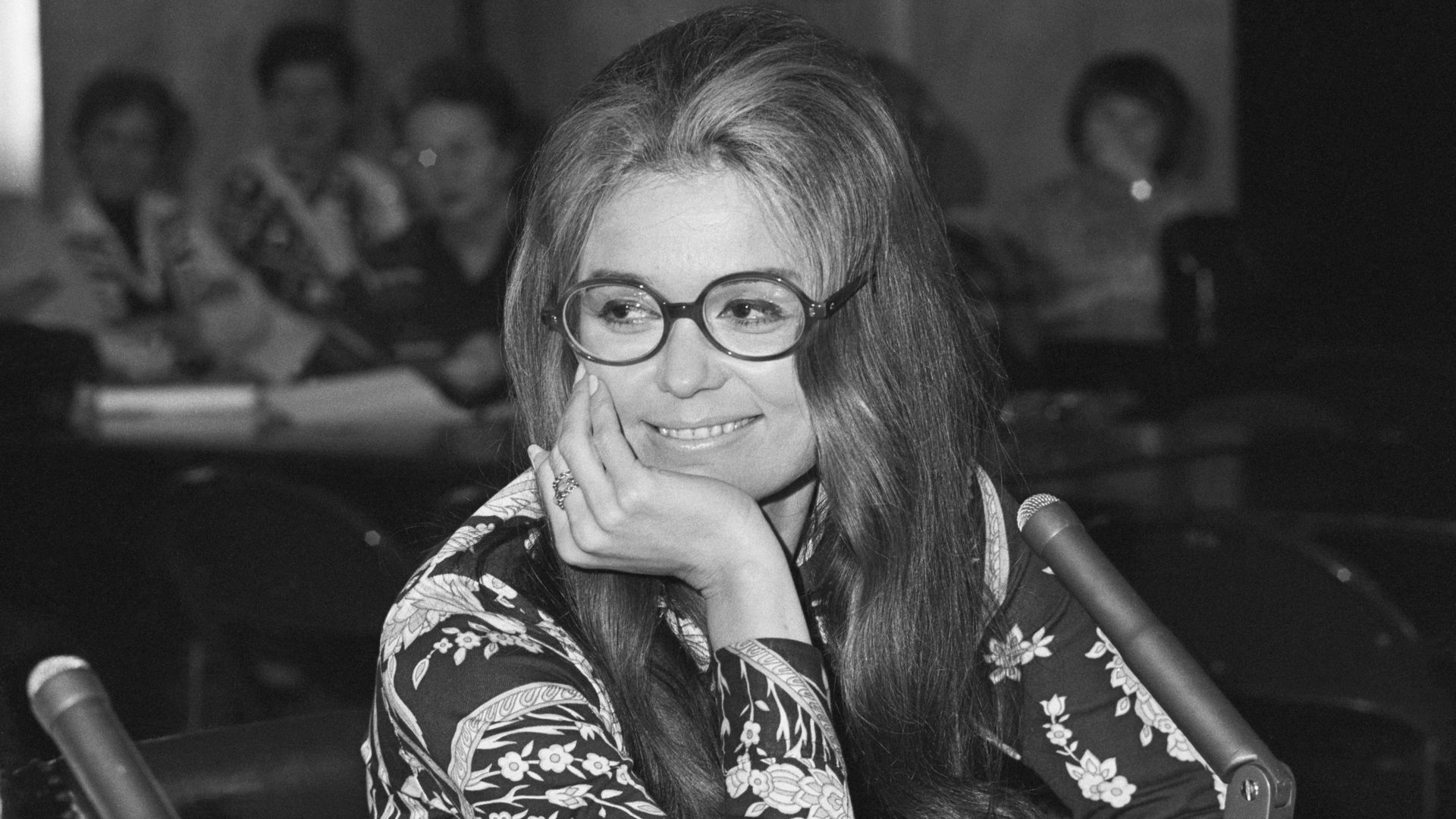
Gloria Steinem testifies in support of the Equal Rights Amendment in 1970. Photo: Bettmann Archive/Getty Images
Gloria Steinem, the journalist, activist and organizer who became the most recognizable face of the U.S. women's movement, died Wednesday at 92.
The big picture: Steinem resisted being cast as feminism's singular face, but for six decades she carried its ideas into mainstream America across its second and third waves.
- Steinem made the personal political: An illegal abortion at 22 preceded decades of fighting first to legalize abortion and then to defend that right.
Steinem died peacefully, surrounded by people who loved her at her home in New York City, according to a Thursday announcement posted from her and her foundation's Instagram accounts.
- "Gloria's greatest gift was her ability to listen to others, to make others feel seen and heard," the announcement said.
Flashback: Steinem first drew national attention as a journalist in 1963 when she went undercover as a Playboy Bunny and exposed the job's low pay and sexist treatment.
- Soon, she was both chronicling feminism's emerging second wave and organizing within it.
Zoom in: While attending a 1969 abortion speak-out in Greenwich Village, Steinem had what she later called a "big click" about her own abortion.
- She joined the movement to legalize abortion before Roe v. Wade, and she lived long enough to see the Supreme Court overturn that ruling nearly 50 years later.
Steinem co-founded Ms. magazine, bringing feminist arguments about work, sex, politics, family and reproductive rights to a mass audience.
- She also helped found the National Women's Political Caucus.
- She took her fight to Congress, testifying for the Equal Rights Amendment in 1970, and to the American people, campaigning for its ratification.
Between the lines: She used her celebrity as a tool even as she rejected the media's tendency to reduce a diverse movement to one white spokesperson.
- "I learned feminism largely from Black women," Steinem later told the New Yorker. For years, she traveled and spoke alongside Black feminist organizer Dorothy Pitman Hughes, who challenged racism and classism within the women's movement.
What's next: Her final memoir, "An Unexpected Life," is expected to publish later this month.
- Her New York brownstone is also intended to remain a gathering place for social justice movements, according to Thursday's announcement.
