Here's why the FDA hit frozen blueberries with its highest risk warning

Add Axios as your preferred source to
see more of our stories on Google.
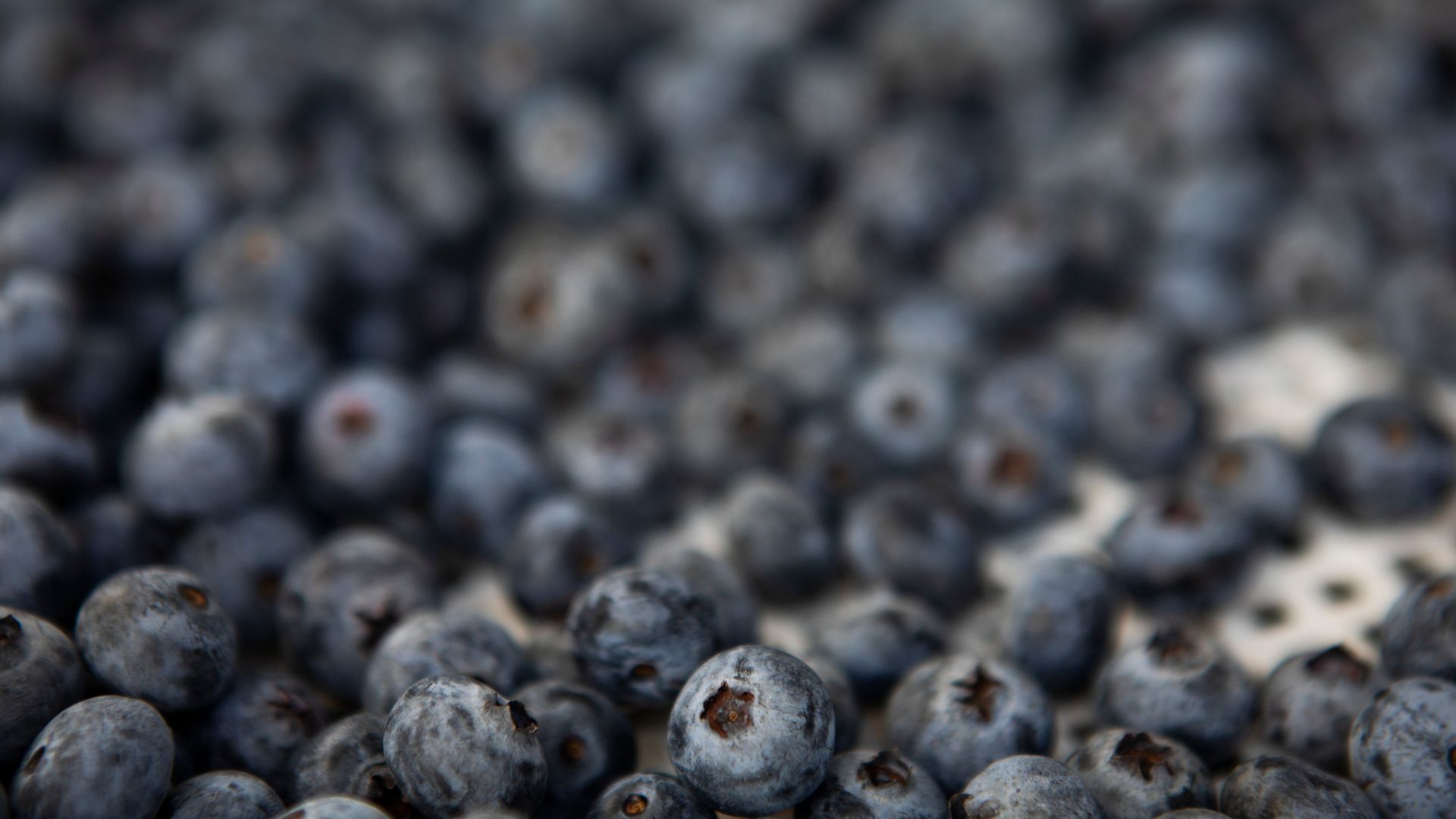
A worker harvests blueberries near Huacho, Peru, on July 25, as El Niño strengthens in the tropical Pacific. Photo: Marco Garro/Bloomberg via Getty Images
The Food and Drug Administration published its recall of GreenWise frozen organic blueberries and mixed berries earlier this week, deeming them a high risk for Americans.
Why it matters: That's the highest level category the agency uses — a sign that Americans should remain on high alert for berries tied to the mysterious outbreak.
The big picture: The classification shows how a recall can become more serious after a retailer or supplier has already pulled products as the FDA completes a wider risk assessment.
- Recalls have become more common in recent weeks, affecting eye drops, tomato soup, eggs, alfalfa sprouts and more common grocery store items.
Driving the news: The FDA has been investigating specific frozen blueberries and mixed berries as being at risk for potential E. coli contamination.
- The product was distributed to at least eight states.
- But earlier this week, the FDA announced a Class I recall due to "reasonable probability" that they could cause serious harm or death.
How FDA risk levels work
The FDA has three risk recall classifications across both food and drugs:
- Class I — High risk: The highest risk level is usually reserved for when the FDA concludes there is a reasonable probability that people could get very sick or die from the contamination, like with Salmonella or E. coli.
- Class II — Medium risk: The second class of risks is often associated with contamination that can cause temporary or reversible health effects, like an undeclared allergen.
- Class III — Low risk: The lowest class is often reserved for exposure to items that won't cause adverse health effects, like a labeling violation.
How the blueberry recall became high risk
Generally, the FDA will issue the Class I classification after the agency completes a risk assessment of the recalled product.
- The classification "should not be seen as an expansion or change to a firm's voluntary public warning," per the FDA.
Catch up quick: At the end of June, Publix stores stopped selling GreenWise frozen berries due to concerns that the berries may have been causing E. coli illnesses.
- On July 3, the supplier recalled one batch of blueberries when only 12 illnesses and four hospitalizations had been reported.
- Later that month, Publix expanded the recall. The FDA put the berries on an import alert, noting the concern, too.
- On Aug. 18, the FDA shared the Class I warning.
Questions about FDA food tracking
The FDA's blueberry risk classification shows food-safety risks escalating as surveillance has narrowed.
State of play: Under Health Secretary Robert Kennedy, the Foodborne Diseases Active Surveillance Network (FoodNet), which tracks foodborne illnesses at large, was narrowed to follow salmonella and STEC (Shiga toxin-producing E. coli).
- In a column for USA Today, former surgeon general Jerome Adams called for restoring the eight pathogens that FoodNet previously followed to help improve food safety.
The bottom line: The blueberry recall shows products can be pulled from shelves before the FDA classifies the health risk.
Editor's note: This story has been corrected to note that the recall was published (not raised) and that it was a classification (not an escalation). It has also been clarified to show that the use of the highest-level risk category simply means Americans should be on high alert.
