Waymo robotaxis show lower crash rates: IIHS

Add Axios as your preferred source to
see more of our stories on Google.
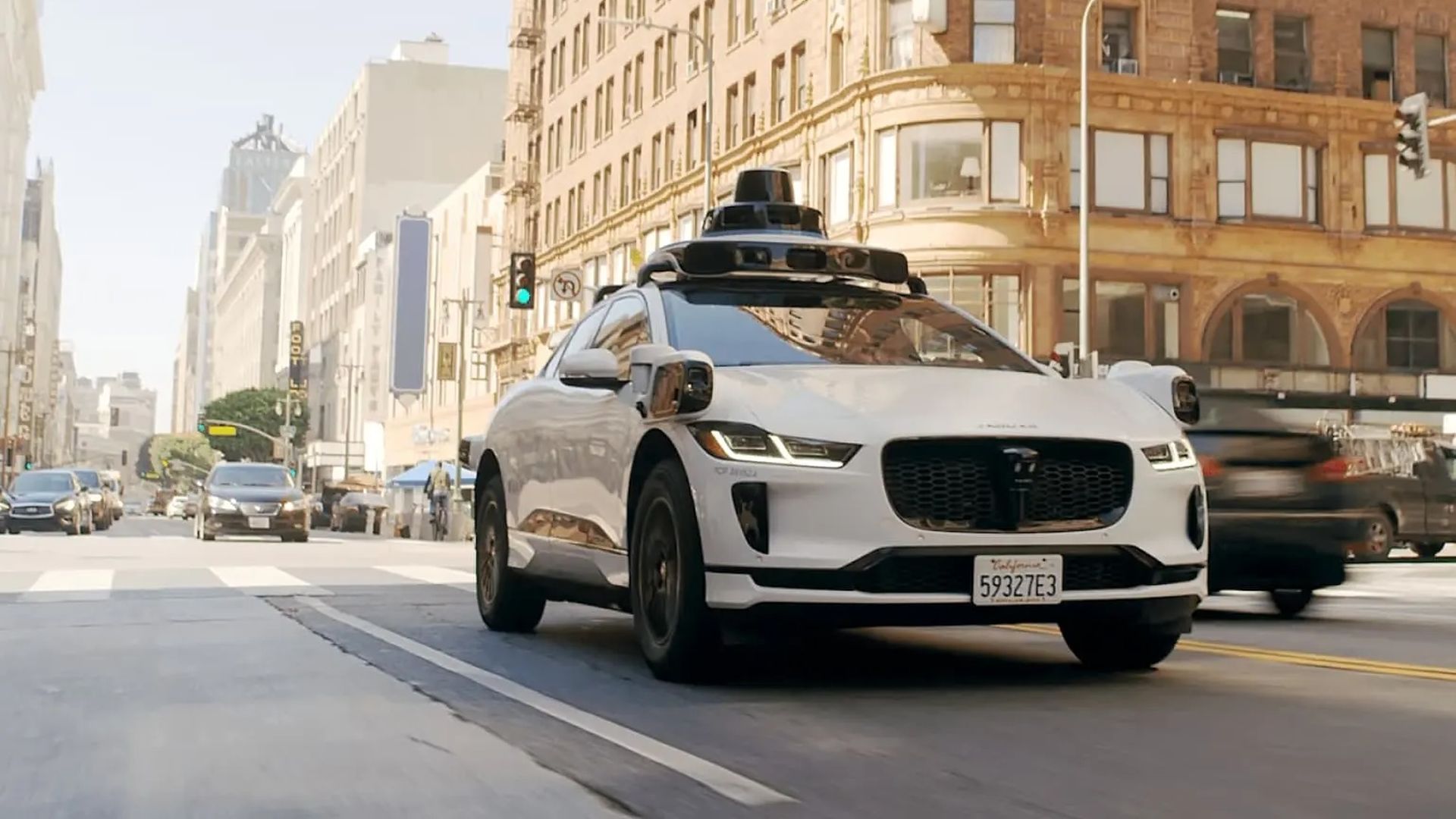
Robotaxi image courtesy of Waymo
An independent study finds Waymo's robotaxis are involved in fewer crashes than human drivers — a key milestone for earning public trust.
Why it matters: The research from the Insurance Institute for Highway Safety offers some of the strongest evidence yet that driverless vehicles can outperform human drivers on safety.
Zoom in: IIHS researchers compared crash rates of human-driven cars and Waymo robotaxis in San Francisco, Phoenix, Los Angeles and Austin, four cities where robotaxis are prevalent.
What they found: Waymo vehicles were involved in 68% fewer "police-reportable crashes" per mile traveled than human drivers in those cities.
- Waymo had 85% fewer single-vehicle crashes than human drivers.
- Injury crashes were 81% lower on a per-mile basis.
The intrigue: The safety advantage varied by city, ranging from 76% fewer crashes in Phoenix to 35% fewer in San Francisco.
- Austin was the exception, with Waymos seeing a slightly higher crash rate, though researchers said the sample size there was small.
The big picture: The data generally aligns with Waymo's own published research, and with industry-wide messaging about the safety benefits of autonomous vehicles that don't get drunk, drowsy or distracted.
Yes, but: The study also highlights a major blind spot for wider analysis.
Reality check: The nation's patchwork approach to autonomous vehicle safety data makes it difficult to accurately compare crash rates, IIHS argues, echoing a longstanding complaint from researchers and some members of Congress.
- The U.S. requires companies to report incidents involving automated driving systems, but most companies do not disclose how many miles their vehicles travel.
- Without exposure data, researchers can't calculate meaningful crash rates or compare companies.
Between the lines: Waymo is the only major robotaxi operator that voluntarily releases driverless mileage data, allowing IIHS to estimate its safety performance.
- But researchers had to discard roughly 25% of reported AV crashes because they were duplicates, occurred off public roads or weren't true crashes.
- They further narrowed the data to incidents a typical human driver would likely report to police, reflecting differences between human and autonomous vehicle reporting requirements.
The bottom line: IIHS says Waymo's results are encouraging, but the study doubles as a call for better federal reporting standards.
- Without standardized mileage and crash data across the industry, policymakers will struggle to independently assess whether autonomous vehicles are getting safer as deployments scale.
