State IVF measures may reduce access to fertility care, docs say

Add Axios as your preferred source to
see more of our stories on Google.
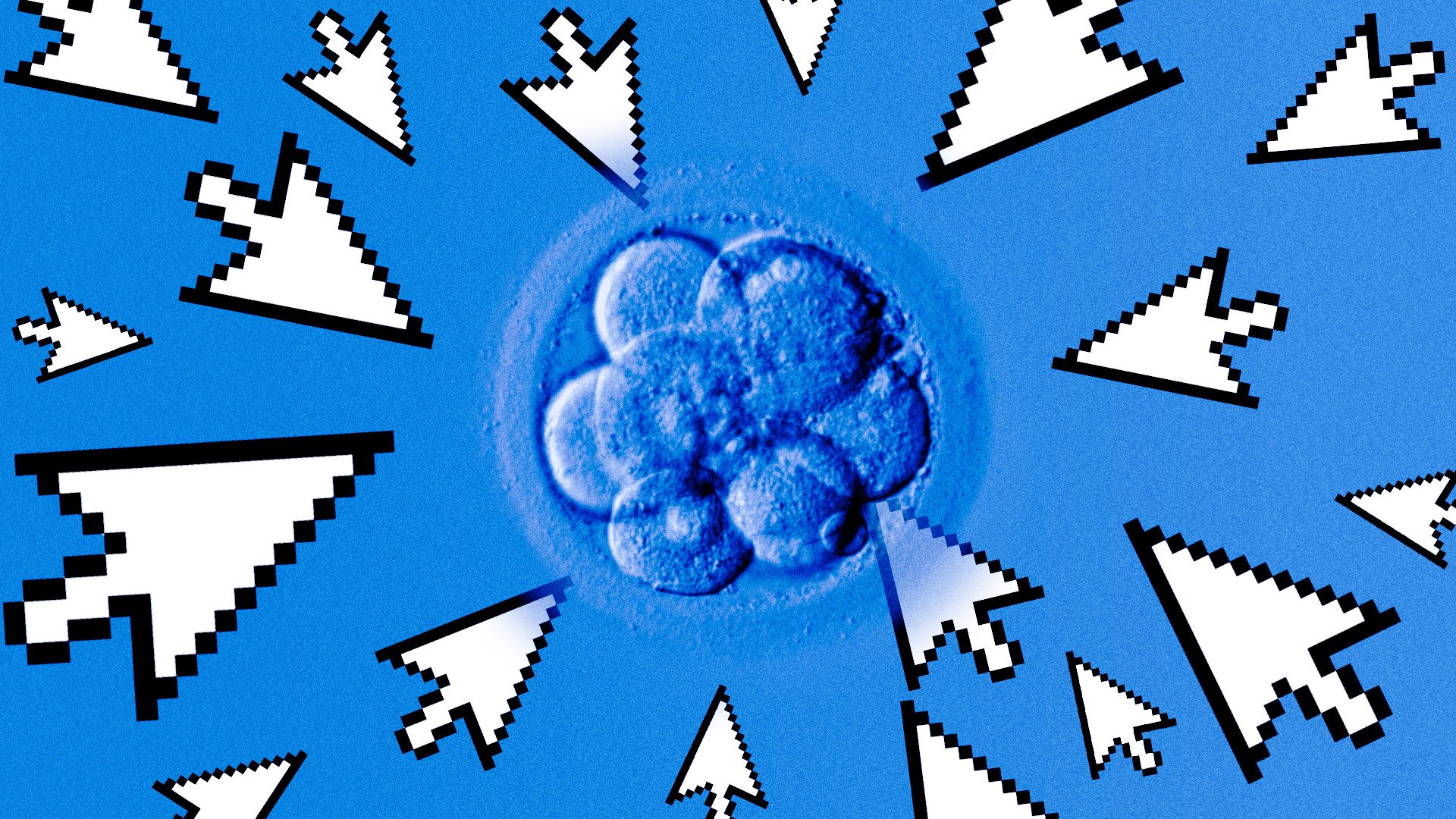
Illustration: Aïda Amer / Axios
Proposals in Arkansas, Texas and Oklahoma to tighten state oversight of fertility services could make in vitro fertilization a political target and encroach on personal medical decisions, a group of physicians wrote in The New England Journal of Medicine.
Why it matters: An overwhelming majority of Americans support access to assisted reproductive services, yet the field remains a flashpoint for anti-abortion conservatives.
- A 2024 Alabama Supreme Court decision on the legal status of frozen embryos created through IVF triggered a national debate and raised questions about whether clinics could be held liable for their destruction.
Driving the news: Legislative proposals that Arkansas, Texas and Oklahoma considered over the past two years would impose new reporting requirements for providers using assisted reproductive technology.
- The text of the bills was based on model legislation from the Heritage Foundation, the authors wrote.
- Arkansas' proposal would have defined "life" as beginning at the moment of fertilization and required fertility clinics to disclose patients' reasons for discarding embryos.
- It also sought to define infertility as "a symptom of an underlying disease or condition" despite medical consensus that infertility is a disease in itself.
- Critics have said that language could help expand access to "restorative reproductive medicine" and natural conception methods while potentially reducing access to IVF.
Zoom in: The reporting parameters in the Arkansas bill exceed federal requirements and lack the nuance to accurately reflect the biologic reality of embryos, said Christopher Moutos, a fertility specialist in Arkansas and lead author of the NEJM article.
- For instance, the legislation would require reporting on "annual numbers of embryos that are 'negligently' destroyed, 'intentionally' destroyed, donated to research, and remaining cryopreserved."
- IVF generally involves the creation of more human embryos than are needed, in order to improve the odds of a pregnancy.
- The bill potentially lays the groundwork for "personhood" legislation that could grant legal rights and protections to IVF embryos, the authors wrote.
The other side: The legislation "aims to provide lawmakers with an adequate understanding of the extent of the current fertility industry, including how many frozen human embryos exist," said Emma Waters, senior policy analyst at the Heritage Foundation's Center for Technology and the Human Person.
- "Estimates currently range from 500,000 to 5 million human embryos frozen in the United States alone, and it is within the interest and prerogative of Americans to understand the extent of this industry," she wrote.
