SpaceX "Starfall" launches on secretive test flight

Add Axios as your preferred source to
see more of our stories on Google.
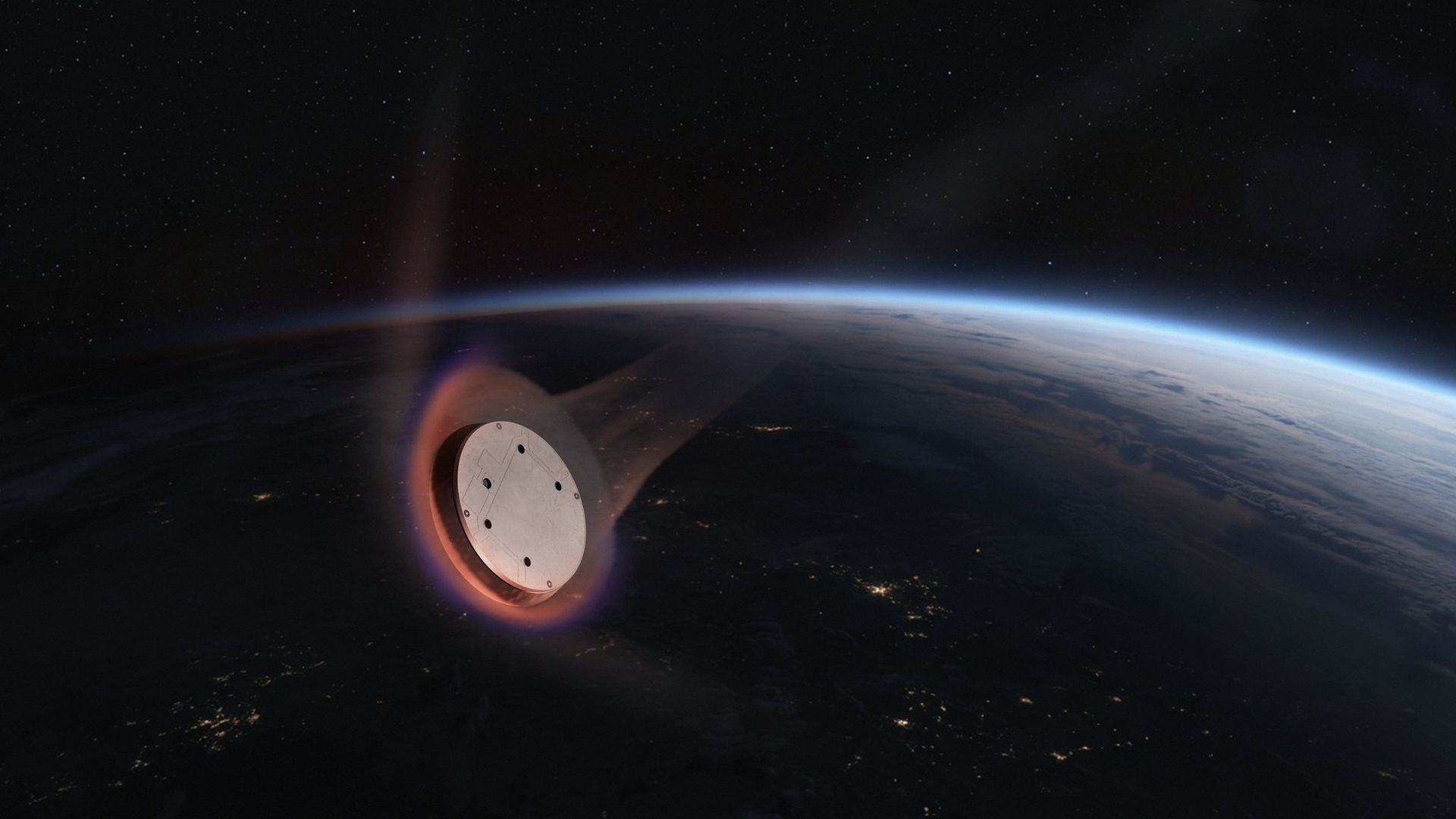
Rendering: SpaceX
SpaceX's "Starfall" capsule launched Tuesday morning for its first test flight, a somewhat hush-hush affair for a small but potentially pivotal new bit of space tech.
Why it matters: In FAA filings, SpaceX suggests Starfall could serve two roles: Offering "access to microgravity and vacuum" for companies interested in space manufacturing, plus "point-to-point delivery of critical cargo through space on rapid timelines" — mail missiles, basically.
- The company also argues that Starfall could take the International Space Station's "successful manufacturing experiments and scale them to a self-sustaining manufacturing economy in space."
Driving the news: Starfall launched from Florida's Cape Canaveral just before 7 a.m. ET aboard a Falcon 9 rocket.
- SpaceX confirmed deployment just after 10 a.m. ET.
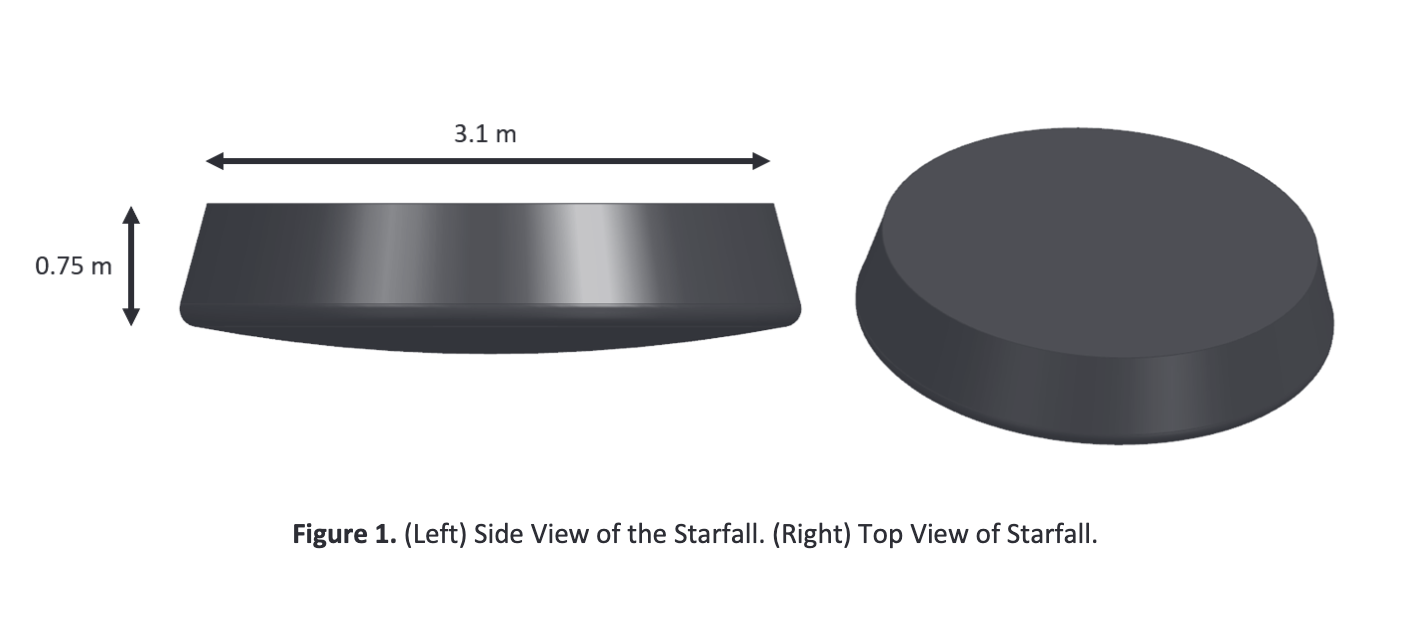
Between the lines: Each Starfall capsule is about 2.5 feet tall, 10 feet across and able to carry 2,200 lbs. of payload, per the FAA filings.
- They have two sections: One for the payload and another for the heat shield.
- They're able to control their attitude with inert gases, but can't deorbit themselves. Instead, they fly a pre-set path or get deorbited by another spacecraft.
What they're saying: "Today's mission includes a demo of a new vehicle that will enable affordable, routine access to the microgravity environment for scientific research and in-space manufacturing," SpaceX posted on X Tuesday.
- "After demonstrating controlled flight, the spacecraft will splash down in the Pacific Ocean."
Reality check: Space manufacturing is a nascent industry at best — but small uncrewed vehicles like Starfall may be necessary if it has any hope of taking off.
What we're watching: If SpaceX can prove out the idea of rapid suborbital delivery, at least one big potential customer seems obvious: the Pentagon, which would no doubt value the ability to rapidly deploy critical military hardware to key locations and has had some interest in the idea for years.
