House GOP eyes fraud crackdown to cover some war costs

Add Axios as your preferred source to
see more of our stories on Google.
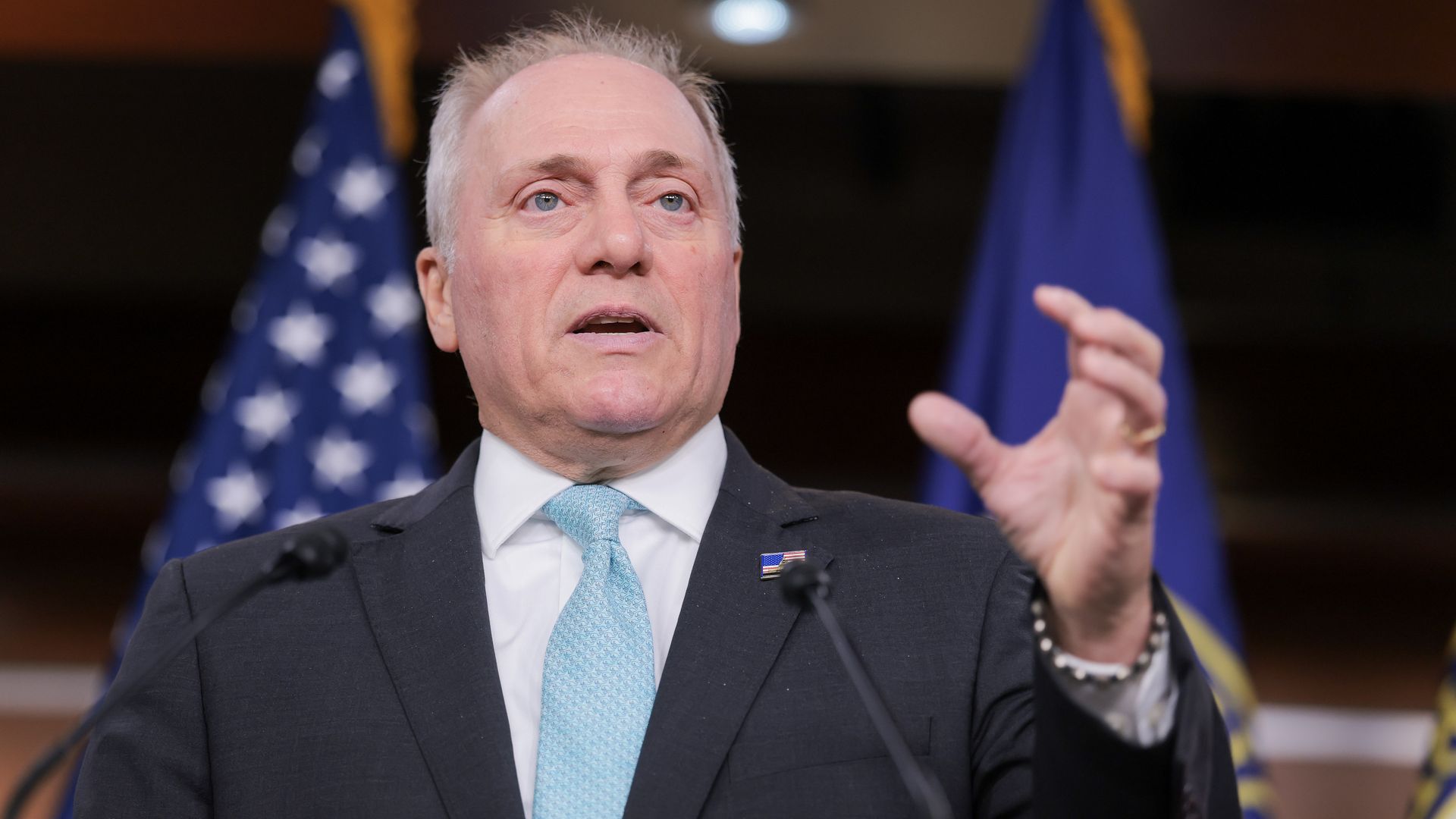
Scalise discussed allegations of fraud in Minnesota after a House Republican conference meeting. Photo: Anna Moneymaker/Getty Images
House Republicans are looking at paying for Iran war costs with savings from the ongoing crackdown on fraud in federal health programs as they begin the process of assembling another party-line budget bill.
Why it matters: GOP lawmakers contend Medicare and Medicaid are rife with theft, but the new effort risks crossing the line into benefit cuts that could prompt political backlash in an election year.
Driving the news: The push is part of a third effort to use the party-line process known as reconciliation to bypass a Democratic filibuster in the Senate.
- Health care policy changes could offset tens or even hundreds of billions in military spending and also pay for tax provisions and other changes aimed at voters' affordability concerns.
Reality check: There is deep skepticism, even among many Republicans, that another party-line bill is possible this close to the election.
- Senate Republicans are generally less interested in reconciliation than their House counterparts.
- But House leaders are starting to plan the effort, and the ideas give a sense of where the GOP's health priorities lie even if the package dies.
What they're saying: "There are a number of things that are out there to give more tools to the departments," House Majority Leader Steve Scalise (R-La.) told Axios.
- "There's hospice care, where you have criminal organizations, really, that have been set up for stealing tens, if not $100 billion of taxpayer money from those programs," he said.
- He said one idea is "a fraud fund" to "go root that out and protect the taxpayers of this country."
Between the lines: There still are questions about how congressional scorekeepers would quantify savings from anti-fraud efforts.
- If the math doesn't add up, Republicans might have to veer into benefit restrictions, which are more controversial and politically dicey.
- One area of focus is in-home care for elderly and disabled Medicaid beneficiaries, which the GOP has said is a major source of fraud but is widely viewed as essential.
- Rep. Greg Murphy (R-N.C.), a physician and Ways and Means Committee member, questioned what can be done legislatively on fraud. "That's really more agency [responsibility]," he said, adding the Biden administration was "totally asleep at the wheel" on the issue.
Murphy instead floated changes to Medicare Advantage as an offset in a new package. That effort has some bipartisan support but could open up lawmakers to charges they're cutting Medicare.
Zoom out: Charges of fraud in social service programs in Minnesota were the genesis of the administration's efforts to address waste and abuse.
- The Centers for Medicare and Medicaid Services has taken steps like freezing certain Medicaid payments and asking states to "revalidate" providers at a high risk of fraud.
- Now, the effort could be shifting to giving the administration statutory authority to set new controls on entitlement spending.
Asked about concern from centrists about reopening a divisive health care debate in an election year, Scalise defended the fraud crackdown.
- "That actually protects health care," he said. "This actually strengthens the programs by going after the people that are stealing money from those programs."
