Kevin Warsh's bond market bind


Add Axios as your preferred source to
see more of our stories on Google.
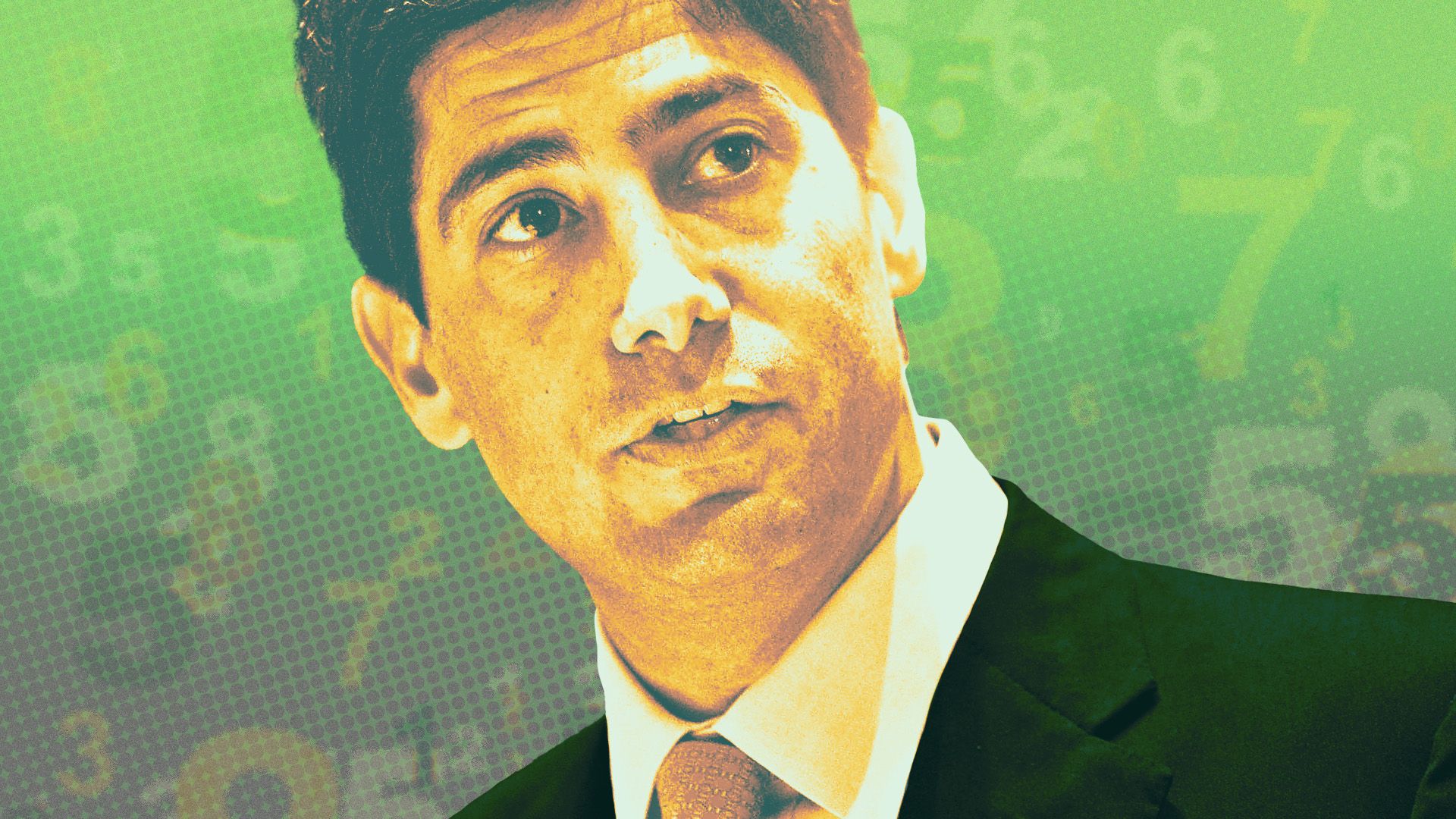
Kevin Warsh. Photo illustration: Sarah Grillo/Axios. Photo: Jin Lee/Bloomberg via Getty Images
Kevin Warsh hasn't even been sworn in as leader of the Federal Reserve yet, and his first great test has already arrived.
The big picture: Global bond markets are sending borrowing costs markedly higher in this era of energy supply disruptions, AI-fueled demand for capital and massive fiscal deficits.
- The yield on 30-year U.S. Treasury bonds has surged to 5.11%, its highest level since 2007. The rate was 4.63% at the end of February.
- It sets up an environment where the Fed may well need to prevent inflation expectations — as reflected in bond traders' bets — from coming unmoored.
- It's a paradox of monetary policy: Sometimes, the only solution for higher long-term interest rates is higher short-term interest rates.
Zoom out: Warsh has spent years criticizing the Fed for letting inflation run too hot for too long. Now, he's inheriting a bond market that's pricing in exactly that scenario.
- Warsh has argued that AI will ultimately be disinflationary — that productivity gains will lower the cost of producing goods and services and give the Fed room to cut rates.
- But now the AI capex boom is running so hot that it's offsetting the traditional growth-dampening effect of the oil shock, keeping demand resilient.
- Warsh's thesis may yet prove out. But the evidence for the disinflationary case hasn't shown up in the data yet, while the near-term inflationary scenario is plain to see in both the data and in every trip to the gas station or grocery store.
Zoom in: U.S. demand has proven robust, and the Iran war has driven up energy prices, creating an inflationary surge. Government borrowing remains high, around 6% of U.S. GDP.
- As such, global investors are demanding higher compensation to park their money in Treasuries.
- But if the Fed were to cut its short-term interest rate target in the face of that shift, it could unmoor inflation expectations further, resulting in even higher long-term rates.
- Conversely, a pivot toward a rate hike or two this year could assure investors that the Fed, despite Warsh's recent dovish rhetoric, won't let inflation get out of control.
What they're saying: "A more hawkish Warsh than the financial markets expect might stop bond yields from rising," wrote Ed Yardeni, an economist at Yardeni Research.
- Indeed, "by acting hawkishly, Warsh might have a chance of delivering what the White House wants: lower real-world borrowing costs," Yardeni added.
The AI boom is breaking the traditional oil shock playbook.
- A supply disruption of this scale might traditionally slow the economy enough to give the Fed cover to cut.
- But the current backdrop is the opposite: The U.S. is a net exporter, helping offset the energy impact. And thanks to the AI boom, U.S. demand is holding up and investment is surging.
State of play: Jerome Powell's term as chair ended on Friday, and Warsh won Senate confirmation to the post last week. But Warsh is awaiting a formal presidential commission and completing a liquidation of assets to comply with ethics rules.
- The Fed said late Friday that the Board of Governors elected Powell to continue serving as chair pro tempore in the interim.
- In a reminder that nothing is normal about this Fed leadership transition, two governors dissented — Michelle Bowman and Stephen Miran — saying they wanted an explicit time limit on how long Powell can serve in that role.


The details of why bond yields are rising matter a lot — how much of the rise in rates is due to higher inflation expectations and how much due to higher real yields, which are in turn shaped by supply and demand for capital.
- In this episode, the surge in rates is mostly fueled by higher near-term inflation expectations, while both factors contribute to the rise in longer-term rates.
By the numbers: As of Friday, bond markets priced in 2.7% annual inflation over the next five years, based on the spread between inflation-protected securities and regular Treasury notes.
- That's the highest since 2023 and up from 2.2% at the end of last year. It accounts for roughly the entire run-up in five-year yields in that span.
- But if you go out further on the yield curve, the story is more mixed. In the period between five and 10 years from now, bond markets priced in 2.3% annual inflation as of Friday, up from 2.05% at the end of March.
- In other words, over that longer time horizon, there is a more substantial rise in real yields.
Between the lines: In the near term, bond investors expect that the energy price shock will keep a floor under overall inflation.
- Over the somewhat longer term, they're less worried about inflation and more worried about fundamental factors, including huge federal borrowing and demand for AI-related investment capital.
The bottom line: Borrowers — including corporations, homebuyers and the federal government — are paying more now to compensate bond buyers for taking the risk of longer-term lending.
