Scoop: Trump huddles with oil execs as Iran stalemate drags on


Add Axios as your preferred source to
see more of our stories on Google.
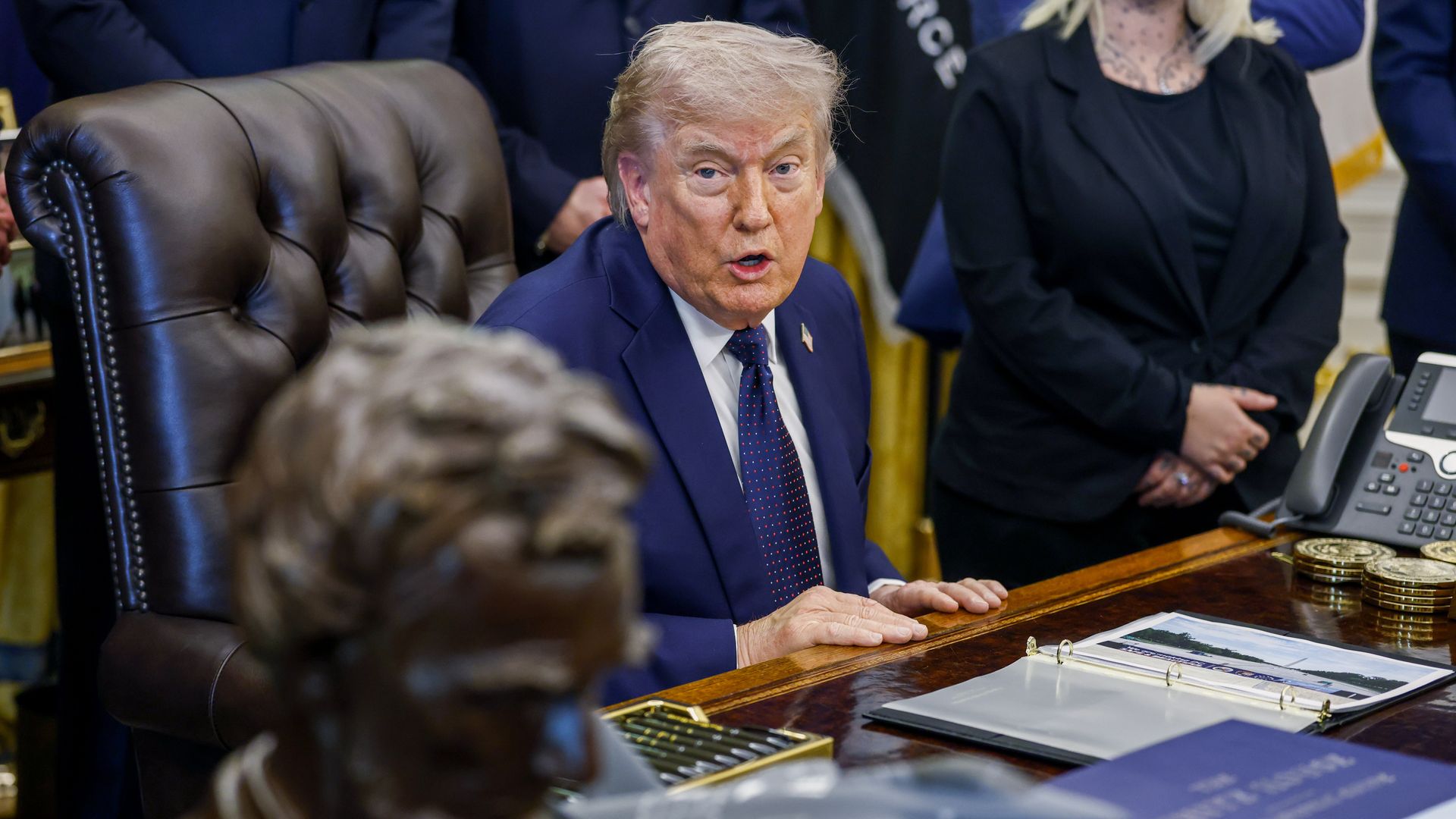
President Trump speaks during a press conference in the Oval Office this week. Photo: Will Oliver/EPA/Bloomberg via Getty Images
President Trump and top lieutenants met with oil and gas execs at the White House on Tuesday to discuss the energy fallout of the Iran war and the possibility of a lengthy blockade of the country, Axios has learned.
Why it matters: The unprecedented Middle East supply disruption is boosting commodity prices and creating a mix of opportunity and peril for the industry.
Driving the news: Among the attendees was Chevron CEO Mike Wirth, a company spokesperson confirmed.
- Treasury Secretary Scott Bessent hosted the meeting, and Vice President Vance, White House chief of staff Susie Wiles, and envoys Steve Witkoff and Jared Kushner were on hand, per a White House source familiar with the meeting.
The big picture: The group discussed "steps we could take to continue the current blockade for months if needed and minimize impact on American consumers," a second White House official told us.
"The president meets with energy executives frequently to get their feedback on domestic and international energy markets," that official added.
- Topics included domestic production, progress in Venezuela, oil futures, natural gas and shipping, the person said.
What we're watching: Trump and Capitol Hill Republicans are bracing for the political fallout of high U.S. gasoline prices, which are tethered to crude oil prices set on global markets now facing a historic loss of supply.
- Average U.S. gasoline prices are $4.23 per gallon as of today, per AAA. That's the most expensive since the war began and the highest since 2022 — and it's been surging.
- The White House has taken steps to ease the price increases, such as waiving the Jones Act, which requires U.S.-built and -owned ships to move goods between domestic ports.
- But it faces limited options to ease the market shock.
Zoom out: Uncertainty weighs on companies, and if prices stay high enough for long enough, it will cut into oil demand in the U.S. and abroad.
- The de facto closing of the Strait of Hormuz, which handles about a fourth of the world's seaborne oil, has sent prices to multiyear highs.
- But throttled supply from the region is also boosting the market for U.S. oil and liquefied natural gas exports.
Editor's note: This story has been updated with additional details on the meeting participants and what they discussed.
