Kennedy returns to Capitol Hill with clout diminished

Add Axios as your preferred source to
see more of our stories on Google.
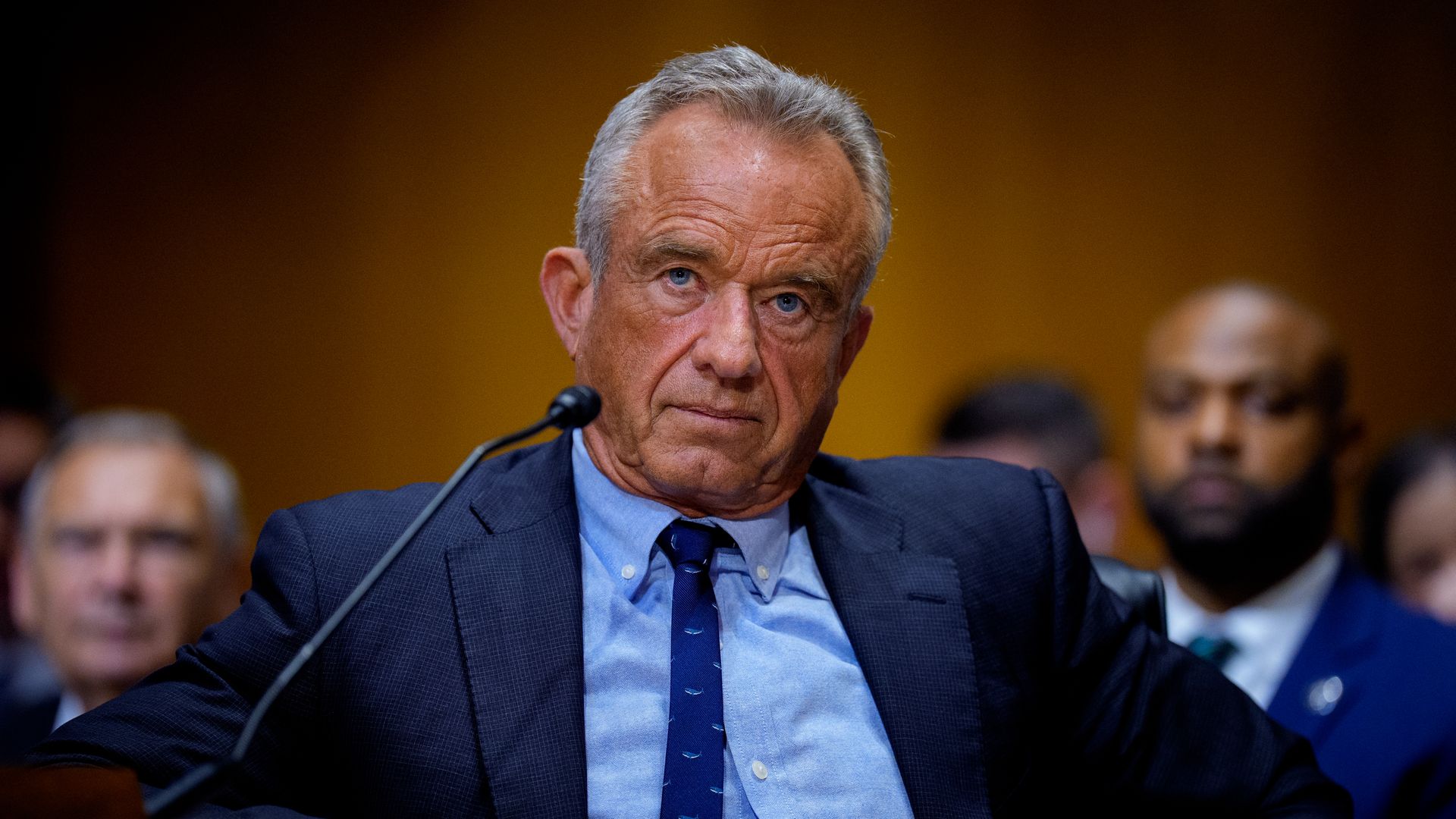
Kennedy at the Senate Finance Committee in September. Photo: Andrew Harnik/Getty Images
Health Secretary Robert F. Kennedy Jr. will face Congress for the first time in more than six months on Thursday with his autonomy and political influence in a very different place.
Why it matters: As the White House tries to reel in his agenda, Kennedy is expected to face a gauntlet of questions about vaccines, autism and other hot-button issues at the first of seven hearings over this week and next.
- It will be a test of how well Kennedy can stay on message as the Trump administration tries to pivot away from controversies and emphasize priorities like lowering drug prices.
Driving the news: Kennedy will appear before the House Ways and Means and Appropriations committees on Thursday before heading to Senate hearings next week.
- Democrats and some Republicans are eager to press him on controversial moves since he last testified before the Senate Finance Committee in September.
- One likely topic is January's dramatic overhaul of the childhood vaccine schedule that dialed back 17 recommended vaccinations to 11.
- Kennedy also directed the Centers for Disease Control and Prevention to update its website to suggest a widely debunked link between vaccines and autism.
- His handpicked vaccine advisers also voted to drop the recommendation that all infants receive the hepatitis B vaccine at birth.
Between the lines: Kennedy and his "Make America Healthy Again" movement have experienced setbacks in court and within the administration since the last time he appeared on the Hill.
- A federal judge last month temporarily blocked the childhood vaccine changes.
- More broadly, the Trump administration has elevated senior adviser Chris Klomp to be Kennedy's de facto chief of staff, overseeing key personnel moves and focusing on issues like drug prices.
- Kennedy, meanwhile, has been making campaign-like appearances around the country touting less controversial policies like promoting healthy foods — avoiding mention of moves like canceling funding for development of new mRNA vaccines.
Kennedy's opening remarks for Thursday morning's hearing do not include the word "vaccine." Instead he will tout "historic wins" like drug pricing deals with 16 pharmaceutical companies and new dietary guidelines that "put real, whole food at the center of the American plate."
- "We are ending the era of federal policies that fueled this chronic disease epidemic," he will say.
Kennedy has lashed out at his critics during congressional hearings and could be drawn into new showdowns over vaccine policy.
- Sen. Ron Wyden of Oregon, the top Democrat on Senate Finance, said he'll press Kennedy on what he characterized as a failure to live up to pledges made during his contentious confirmation hearings.
- "He was going to be independent and he was going to look at these issues again and all the rest, and he basically just went out and did all his anti-vax stuff wherever he could," Wyden said.
- Kennedy still has defenders among Republicans, who praise him for shaking up a federal bureaucracy they say became captive to health industries it regulates.
The intrigue: Senate health committee Chair Bill Cassidy (R-La.) will be closely watched, given his increasingly fraught relationship with Kennedy and the fact he faces a tough primary against a Trump-backed challenger next month.
- "I've just got so much in my brain right now I'll address that when I get to it," Cassidy said on Wednesday, declining to discuss what he'll ask Kennedy.
- Aside from vaccines, personnel upheaval and canceled grants for medical research are also ripe areas for questioning.
Sen. Shelley Moore Capito (R-W.Va.), chair of the Appropriations health subcommittee, said she plans to seek assurances that National Institutes of Health grants, funding for substance abuse and other expenditures the administration previously targeted are flowing.
- Top House appropriator Tom Cole (R-Okla.) is another NIH supporter who could press Kennedy on his designs for the agency.
- Capito said she'll also have questions about the beleaguered CDC, adding "There's been a fair amount of uncertainty there."
- The agency has been without a permanent director since last summer, though the administration could be zeroing in on a pick.
What we're watching: How many Republicans have grown impatient with Kennedy and view him as a political liability heading into the midterm elections.
