MLB's ABS challenge system, explained

Add Axios as your preferred source to
see more of our stories on Google.
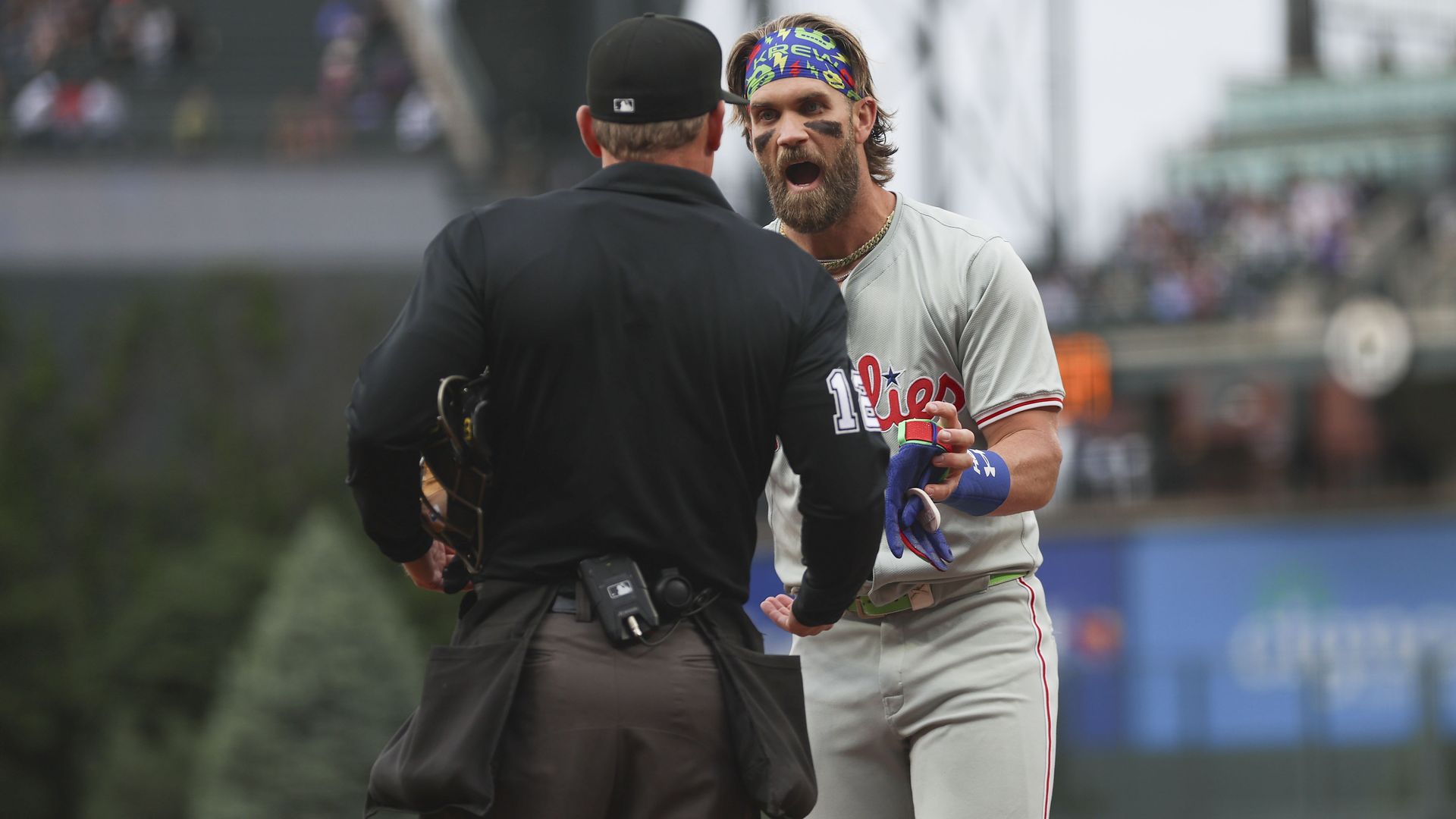
Photo: Alysa Rubin/Clarkson Creative/Getty Images
Major League Baseball is debuting the Automated Ball-Strike (ABS) Challenge System to reduce missed calls on balls and strikes this season.
Why it matters: It aims to improve fairness on borderline judgements, especially in critical situations.
State of play: This technology-assisted review system has been tested in the minor leagues since 2022.
What they're saying: Doug Maurer, director of communications for the Charlotte Knights, a Triple-A team, tells Axios the change will bring an "added entertainment element" to baseball.
- "Anytime there's a challenge, the fans' attention is immediately focused on the video board."
How it works: Each team starts with two challenges at the beginning of each game.
- If it succeeds, meaning the umpire's decision is overturned, the team keeps that challenge — if it fails, it's lost.
- If a game goes to extra innings, teams without any challenges will receive one extra.
- The system will run on T-Mobile's private 5G network, designed to be fast enough not to interrupt game flow.
Caveat: Managers cannot initiate a review — only the batter, pitcher or catcher can do so by tapping their helmet or cap immediately after the call.
- Maurer says game strategy will change because teams have to be smart about saving disputes for high-stakes moments in the game.
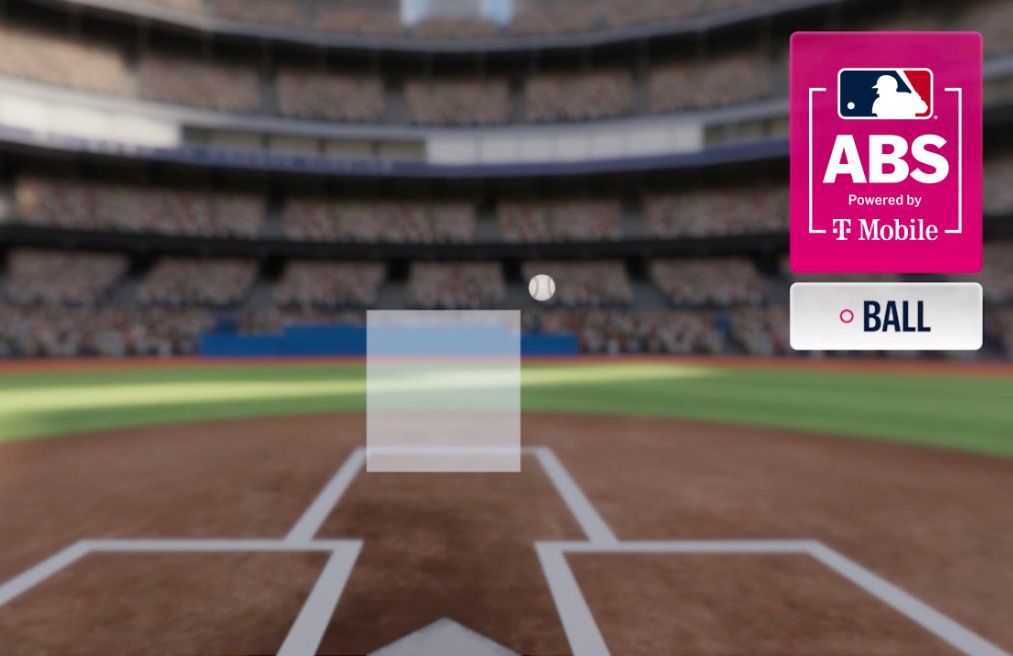
By the numbers: The league reported that during a challenge, players overturned the umpire's verdict 52.2% of the time during Spring Training testing.
- During last season's Spring Training, appeals took an average of 13.8 seconds to resolve, according to MLB.
What's next: The ABS Challenge System will debut March 25 on MLB's opening night, when the San Francisco Giants host the New York Yankees.
