Vaccine skeptic stepping down from No. 2 post at CDC


Add Axios as your preferred source to
see more of our stories on Google.
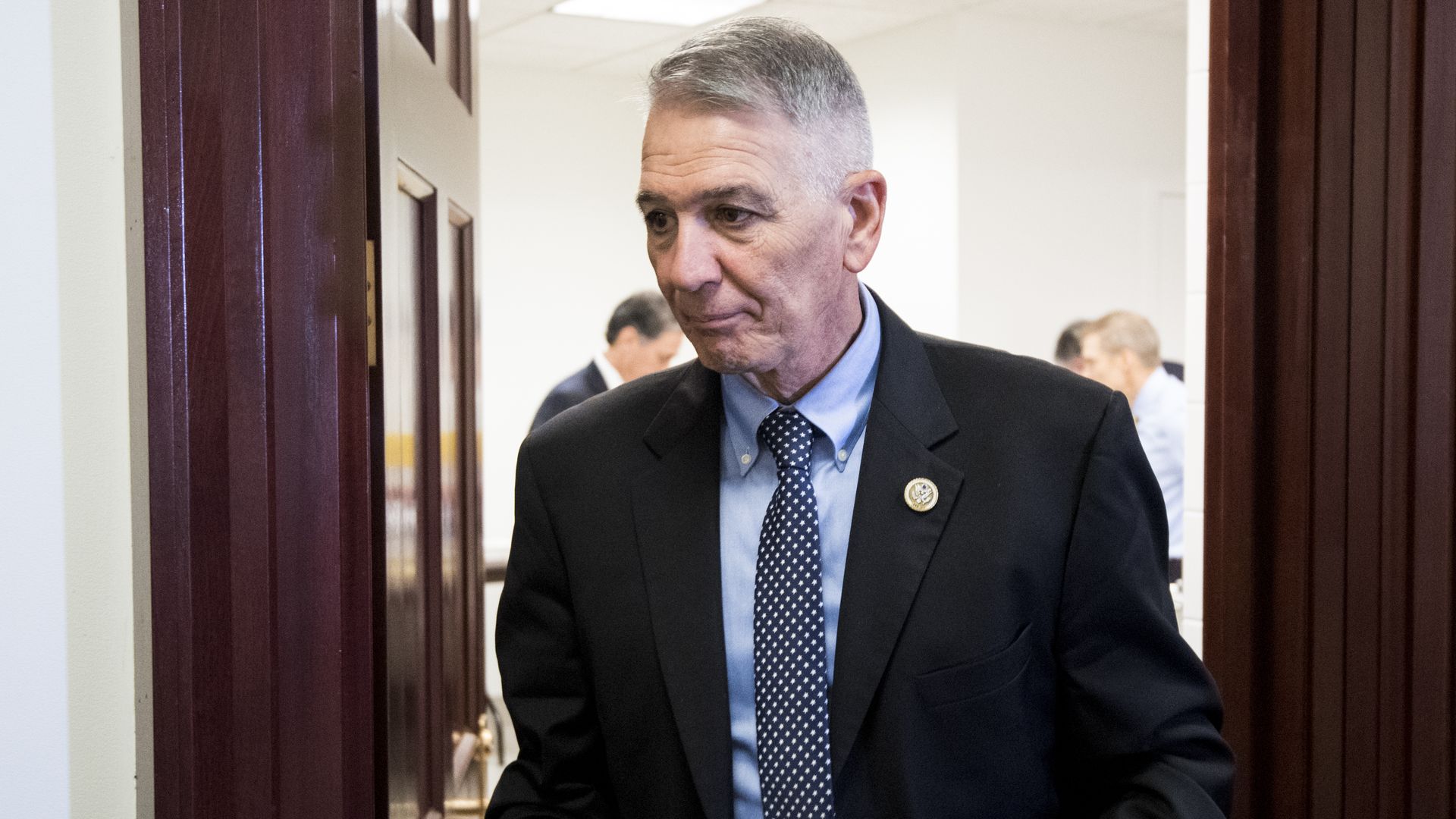
Abraham, seen while serving in the House in 2018. Photo: Bill Clark/CQ Roll Call
Ralph Abraham is stepping down as the second highest-ranking official at the Centers for Disease Control and Prevention, continuing the churn within the top ranks of the Trump administration's health team.
Why it matters: The former Louisiana surgeon general had been on the job less than three months, gaining notice for downplaying the possible loss of the U.S.'s measles elimination status and calling it "the cost of doing business."
- His departure for what the agency called "unforeseen family obligations" comes after NIH director Jay Bhattacharya was named acting CDC director last week.
Driving the news: Abraham was sworn in as CDC principal deputy director in mid-December as the administration moved to fill out the top ranks of the agency, which was hit by a wave of high-level departures including the the firing of former director Susan Monarez.
- He served under acting director Jim O'Neill, a former Silicon Valley investor and entrepreneur who left earlier this month to head the National Science Foundation.
- "It has been an honor to serve alongside the dedicated public health professionals at the CDC and to support the agency's critical mission," Abraham said.
Abraham was a three-term congressman from 2015 to 2021 who spent 10 years as a veterinarian before going to medical school and then practicing family medicine, according to his official biography.
- In February, he directed Louisiana's health department to no longer use media campaigns or health fairs to promote vaccination against preventable illnesses, the New York Times reported.
- He has also publicly sparred with Senate health committee Chair Bill Cassidy (R-La.) over vaccines, saying he doesn't believe COVID-19 shots are safe and admonishing Cassidy, also a physician, to "stay in his lane."
The CDC director post has to be confirmed by the Senate, which could be a long shot in an election year due to controversy over Health Secretary Robert F. Kennedy Jr.'s vaccine policies and cuts to federal health care agencies.
