Q&A with Bain Capital's new boss

Add Axios as your preferred source to
see more of our stories on Google.
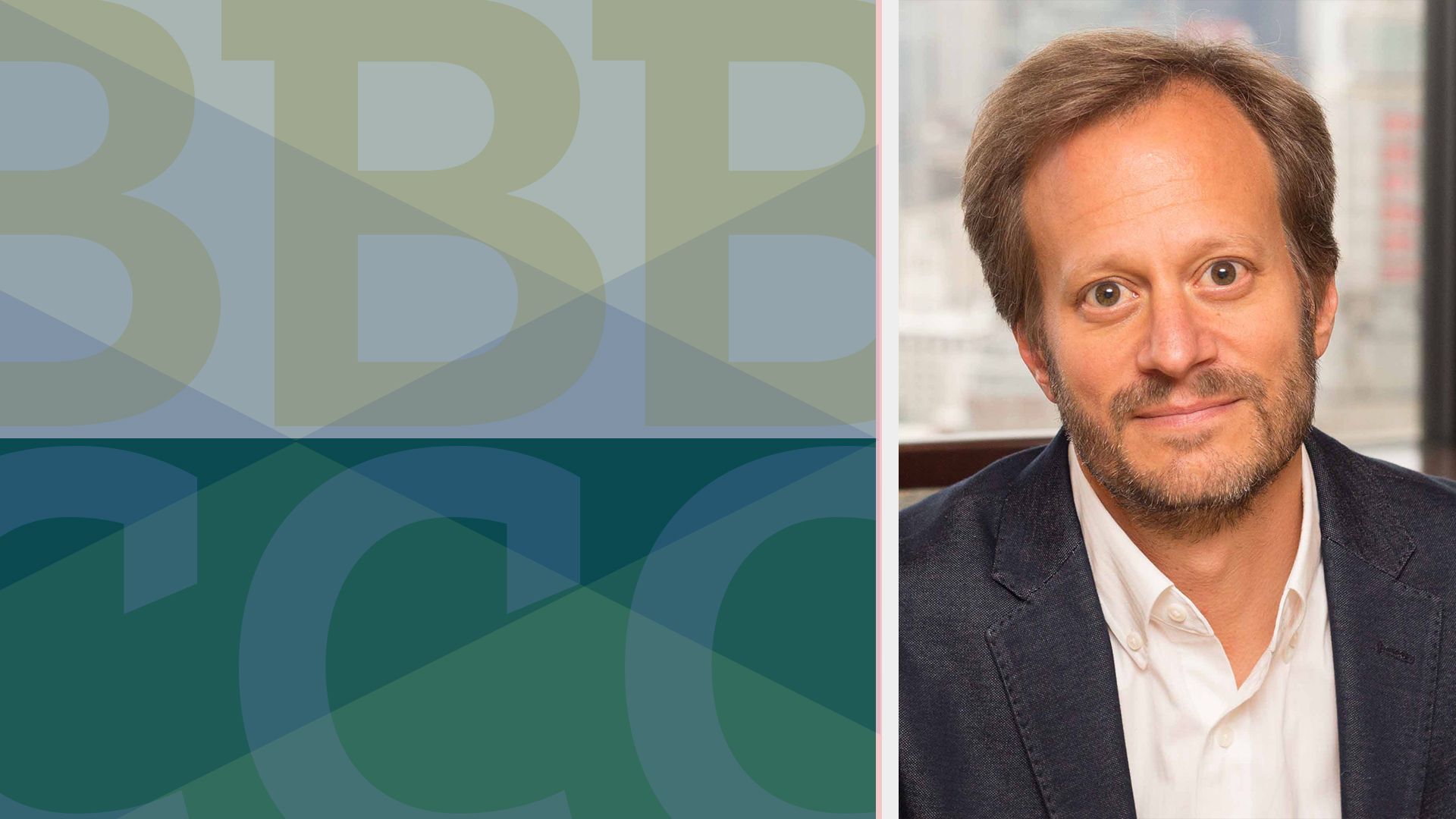
Photo illustration: Axios Visuals. Photo: Courtesy of Bain Capital.
David Gross is the new managing partner of Bain Capital, one of the country's largest alt asset firms with more than $215 billion in assets under management.
Why it matters: He's the first person to ever serve solo in the role, unless you count firm founder Mitt Romney.
Axios spokes with Gross via Zoom about the private equity outlook, using AI in investment decisions, and if Bain will ever go public. What follows has been edited for length and clarity:
Axios: At the Milken Global Conference last May, you talked about how Bain uses AI for lots of workflow efficiencies, but not yet to advise on investments. Has that changed?
Gross: "We're working really hard on it. Even just since May we've made progress in building a pretty powerful AI model that we have fed information pertaining to deals we've done and deals we've worked on to develop a deep database that can aid us in investment judgment and help us overcome biases.
"I looked at a timeline yesterday that said by mid-2026 we'll have the first kind of working model for this."
Speaking of 2026, what's your crystal ball for deal activity?
"The second half of last year was better than expected ... We were all expecting modest increases over 2024 and it turned out to be a pretty sizable increase.
- "I think we're on an upward trajectory. The financing markets are there and people are more comfortable with where rates are landing. Overall I think things will take another step forward instead of backward.
- "There's a bit of euphoria now about the macro economic outlook ... But we shouldn't lose sight of the fact that affordability is a real issue. There's quite a bifurcation in the economy ... and that's a vulnerability. We navigated the tariffs, but a number of things happened last year that were inflationary, and inflation can be a tricky genie to put back in the bottle."
Do you expect deals to be front-loaded ahead of the midterms?
"That's an issue in some political environments, but I don't really see it this time. Republicans have control and either that's going to continue or that will be mitigated. But the mitigation through gridlock doesn't usually cause active policy to come about since the president can veto so much.
- "If your base case is that things stay the same and the next case is more like gridlock, I don't think it scares the market all that much."
The JPMorgan Healthcare Conference is wrapping up. Within that sector, where do you expect more and less activity?
"Healthcare IT and pharma carveouts I think are two interesting ones. ... On the other side, hospitals or other scale healthcare providers are probably a tougher area given all the pressures they face and some of the uncertainties about where ACA and regulations will go."
Can you still invest in China, given the geopolitics?
"We're maintaining our presence in China, although have had to redirect the efforts of our teams and get them involved in some more Asia-regional deals.
- "Another area where we're opening is the Middle East. We're planning on a presence there and have some pretty interesting joint platforms with local players there in the data center and aviation spaces."
Is there an IPO in Bain's future? "We don't want to go public, and I don't see us going public. We want to carry forward and grow the business for the benefit of future partners, who we want to be able to have ownership down the road.
- "We also think it's very aligned with our long-term approach in that we're not out for fees or for assets as the primary goals, but the public market rewards those two things more richly than it rewards performance income. So going public does force you to change your strategy and we don't want to change our strategy."
