What to know about Trump's aspirin intake and the risks of daily blood thinners

Add Axios as your preferred source to
see more of our stories on Google.
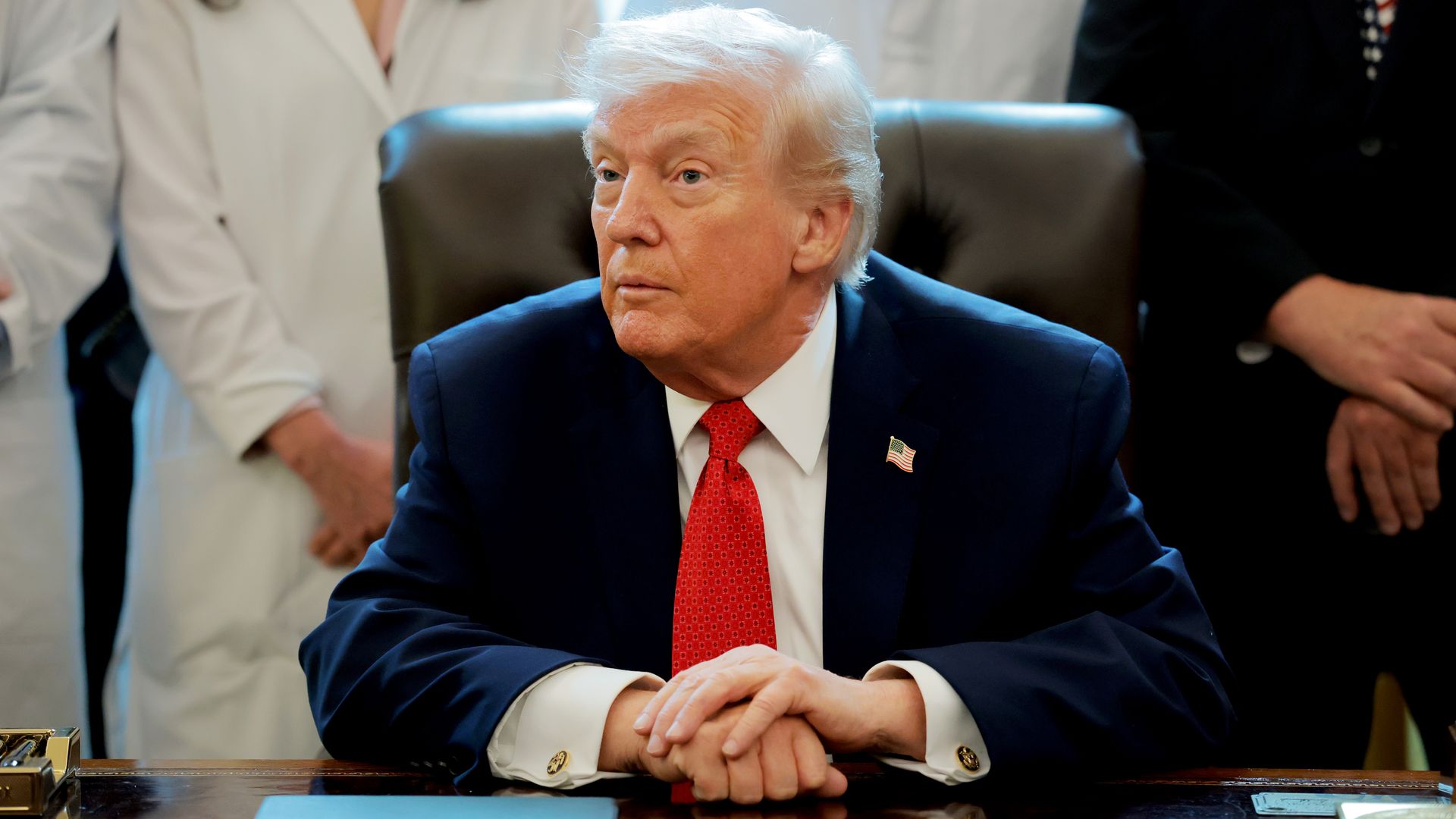
President Trump in the Oval Office on Dec. 18. Photo: Anna Moneymaker/Getty Images
President Trump told the Wall Street Journal he has taken higher doses of aspirin for "cardiac prevention" for years, in a defiant interview about his health.
Why it matters: Though aspirin has been seen as a way to help prevent heart attacks and blood clots, medical experts have increasingly questioned how much older Americans should take due to severe bleeding and bruising risks.
- This is a recent line of thinking spurred by the lack of solid evidence that low-dose aspirin does reduce the risk of cardiovascular death.
Driving the news: Trump, 79, told the WSJ that he's been taking more than the recommended doses of aspirin for 25 years.
- "I don't want thick blood pouring through my heart," Trump told WSJ. "I want nice, thin blood pouring through my heart. Does that make sense?"
What they're saying: The president's doctor, Sean Barbabella, told Axios in a statement that Trump "takes 325 milligram of daily aspirin to maintain his exceptional cardiovascular health."
- "President Trump's medical evaluations and laboratory results continue to show excellent metabolic health, and have revealed his cardiovascular health puts him 14 years younger than his age," he added.
Zoom out: Medical professionals agree that too much aspirin and too many blood thinners could create risks for patients, especially older individuals.
Read more below.
What is aspirin?
Aspirin is an anti-inflammatory drug that is generally used to treat mild to moderate pain, inflammation and arthritis.
- In some cases, aspirin can lower the risk of heart attacks, strokes and blood clots, because it can work as an antiplatelet agent that limits blood clots from forming.
- It's usually safe for most adults to take aspirin for body aches and pains, but daily usage can lead to serious side effects.
Blood thinners — both anticoagulants and antiplatelets — work to stop blood clots. The former slow down the process of making clots, while the latter work to prevent cells, or platelets, from clumping together.
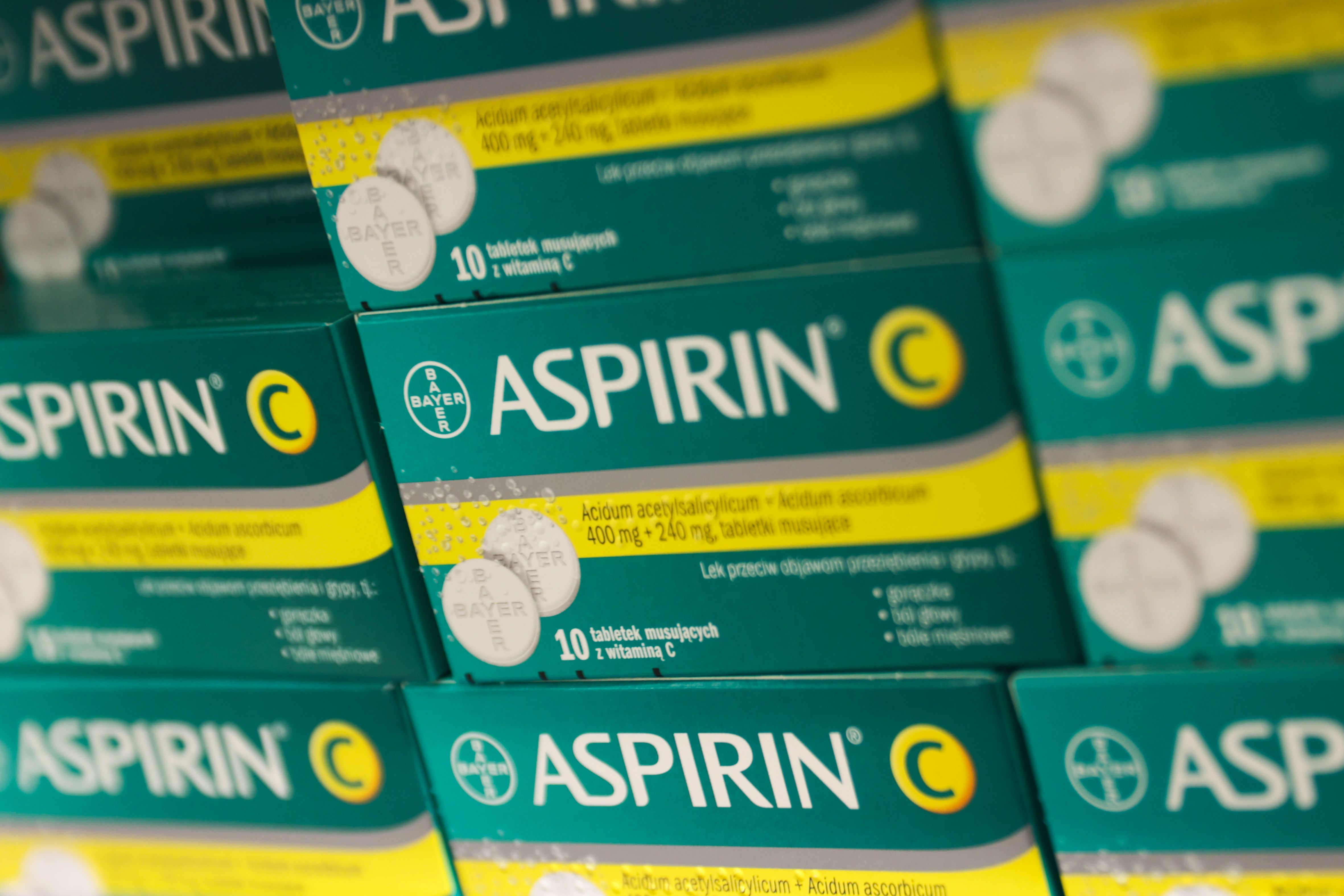
Can you take aspirin daily? Is it dangerous?
Low-dose aspirin intakes — about 75 to 100 milligrams, with the most common being 81 mg — can help prevent heart attacks, according to the Mayo Clinic.
- "Since aspirin prevents blood clots, it's thought that daily aspirin therapy could possibly prevent a heart attack," the Mayo Clinic says.
- For daily aspirin therapy, doctors recommend doses between 75 mg and 325 mg.
Yes, but: Taking aspirin daily isn't recommended for anyone without first consulting their doctor, who can advise if the drug will help prevent blood clots, strokes and heart attacks.
- The American Heart Association says anyone over 70 "should not take daily low-dose aspirin without talking to your health care professional."
What they found: In 2022, the U.S. Preventive Services Task Force, an expert government panel in disease prevention and evidence-based medicine, recommended against prescribing low-dose aspirin for cardiovascular disease prevention in adults 60 years or older.
- "There is no high-quality evidence, however, that low-dose aspirin reduces the risk of cardiovascular mortality or all-cause mortality," the task force said.
- The USPSTF said research suggested daily dosage for these elderly adults could lead to severe bleeding events, with those risks increasing based on age.
What happens if you take too much aspirin?
Too much aspirin in one sitting can lead to an "aspirin overdose" or "aspirin poisoning," per the Merck Manuals, which publishes medical references.
- Symptoms from acute aspirin poisoning can include nausea and vomiting, rapid and deep breathing, ringing in the ears and sweating.
- If the poisoning lasts for days or weeks, symptoms can include drowsiness and hallucinations.
The dangers of too many blood thinners
Taking too many blood thinners can also cause severe side effects, like uncontrollable bleeding, easy bruising, nose bleeds and severe headaches, among several other issues, per UConn Health and global health professionals.
- Medical experts generally advise patients to stick with their directed dosage. If they miss a dose, patients are normally advised to wait until the following day to take another to avoid doubling up.
- A 2021 study published in JAMA Internal Medicine found that taking blood thinners in addition to daily aspirin dosages increased the risks of severe bleeding events, but did not make it less likely to have blood clots.

What experts are saying about Trump's aspirin dosage
The bottom line: Jonathan Reiner, cardiologist to the late former Vice President Dick Cheney, told CNN's "The Lead" that the daily dosage plan Trump outlined "makes no sense."
- "First of all, when we use any kind of anticoagulant, medications to prevent clotting, those don't thin the blood," he told CNN. "It's not like changing something from gumbo to chicken soup. It doesn't make it thinner. It makes you less likely to clot."
More from Axios:
5 takeaways from Trump's defiant WSJ interview on his health
Trump underwent previously undisclosed MRI during Walter Reed visit
What Trump's saying about his cognitive test results
Trump enacted dozens of Project 2025 goals. Here's what's left
