A forgotten champion's other fight in WWII

Add Axios as your preferred source to
see more of our stories on Google.
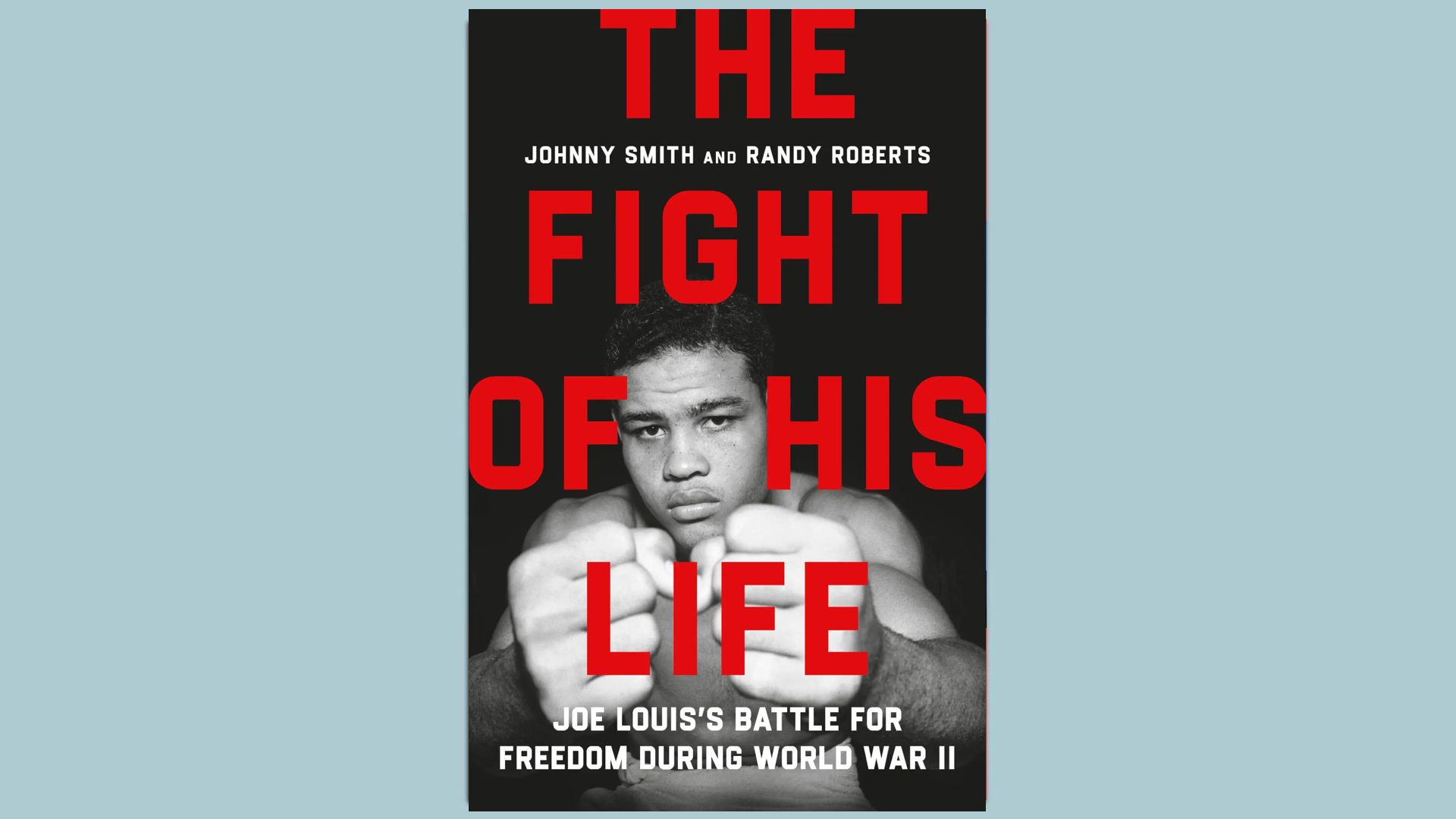
Cover: Basic Books
A new book revives the often-overlooked story of boxing legend Joe Louis and his fight against racial segregation in the U.S. Army during World War II.
Why it matters: "The Fight of his Life: Joe Louis's Battle for Freedom During World War II," arrives as the Trump administration has erased diversity programs in the military and scrubbed government websites that promoted inclusion — echoing the same struggles Louis faced eight decades ago.
Co-author Johnny Smith tells Axios that he and co-writer Randy Roberts wrote the book to correct an "incomplete" narrative about Louis's legacy beyond his boxing exploits.
- That forgotten story involves how Louis awakened to the racism Black soldiers faced while fighting fascism abroad and what he did to tackle it.
- "Before there was (Muhammad) Ali, before there was Jackie Robinson, Joe Louis paved the way," Smith said. "He was more than a cultural phenomenon. He was also a political force."
Zoom in: The Alabama-born, Detroit-raised Louis became a national hero after defeating Nazi Germany's Max Schmeling in 1938. He was the first Black athlete to be admired by Black and white fans.
- He had the longest single reign as champion of any boxer in history and was a hero to many Black Americans, including the future Malcolm X, during his career.
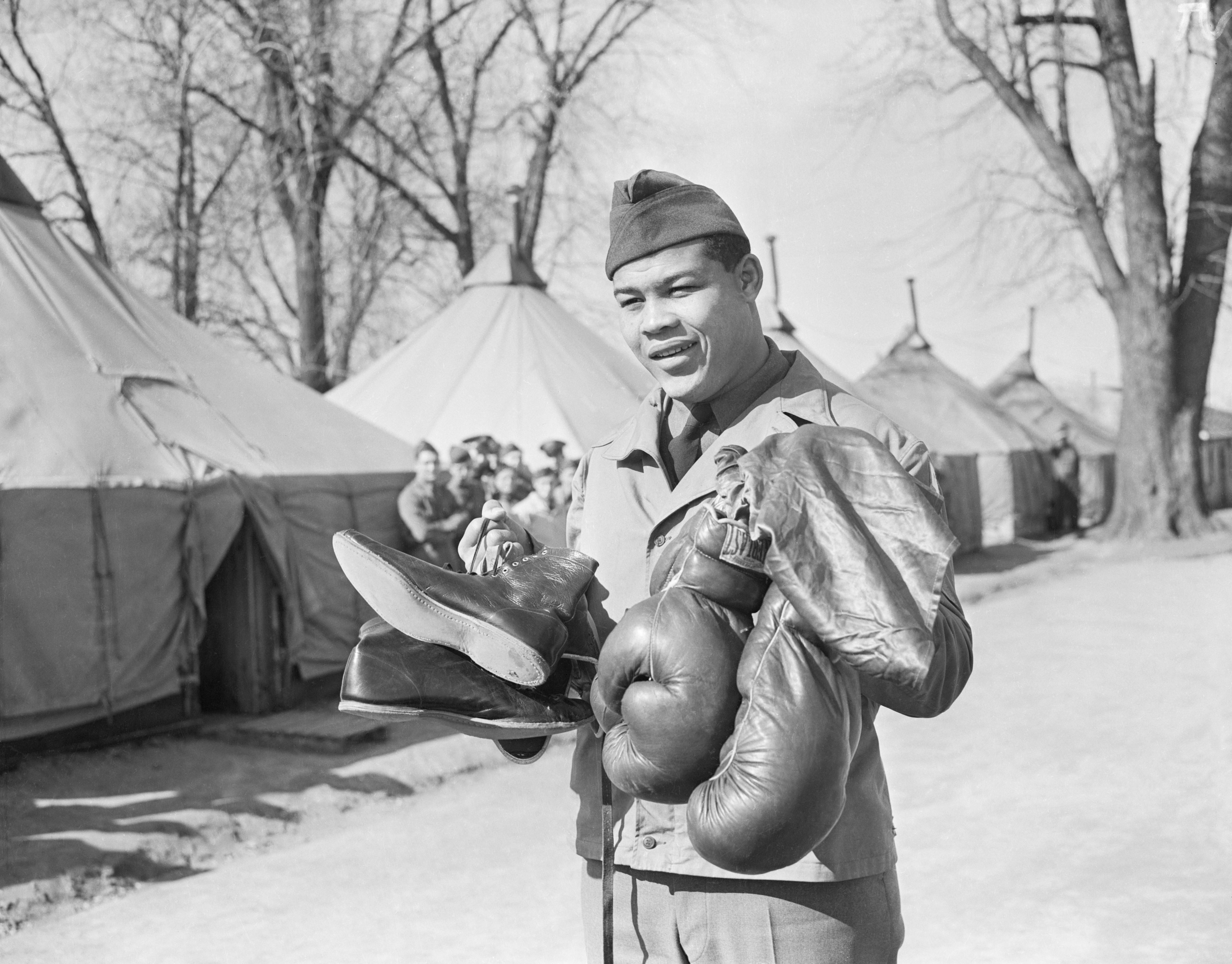
Zoom out: As World War II broke out, Louis later used his fame to pressure the U.S. military to open opportunities for Black soldiers by joining the U.S. Army.
- The U.S. War Department wanted Louis to ease racial tensions within the military by organizing exhibition fights.
- The heavyweight champions' push helped lay the groundwork for the eventual desegregation of the armed forces — a victory that extended far beyond sports.
Yes, but: Smith and Roberts point out in their gripping tale, which reads like a novel, that the road to that transformation wasn't easy for the quiet-spoken Louis.
- Louis saw racial segregation in the military firsthand and spoke out about it.
- He saw the contradictions between what the U.S. was fighting against and what it was tolerating back home.
- When Louis broke character and spoke out, he got in trouble.
The intrigue: Louis left no writing, letters or interviews from that era.
- Yet, Smith and Roberts uncovered archival evidence that showed Louis defied segregation at an Alabama bus depot — a stand that inspired a young Jackie Robinson to do the same at Fort Hood, Texas.
- It would influence the coming generation of Black athletes, including Robinson.
- "When Robinson (later) refused to move to the back of a military bus, Joe Louis was on his mind," Smith said.
After the war, Louis returned home and got involved in the growing Civil Rights Movement.
- He also continued to fight despite his age because of his debt and pressures to make money, as the book points out.
- Ali and other more militant Black activists would later shun Louis as too conservative and as an integrationist, and he fell out of favor.
- By the time of his death in 1981, he was broke and dismissed by the next generation.
Caveat: Louis was buried with full honors at Arlington National Cemetery — "not as a boxer," Smith notes, "but as a veteran who fought for freedom abroad and at home."
Between the lines: A new report from Onyx Impact warns that a wave of federal and state actions is erasing Black history and opportunity.
- That's making it harder for historians to publicly discuss the legacy of Louis, unless writers defy the trends and tell the story.
- "Black history is American history," Smith tells Axios. "It's the historian's job to defend the truth. When I write a book, I'm writing that history in ink."
Go deeper: Onyx Impact launches disinformation lab for Black communities
