How Mozilla is adapting to the AI age

Add Axios as your preferred source to
see more of our stories on Google.
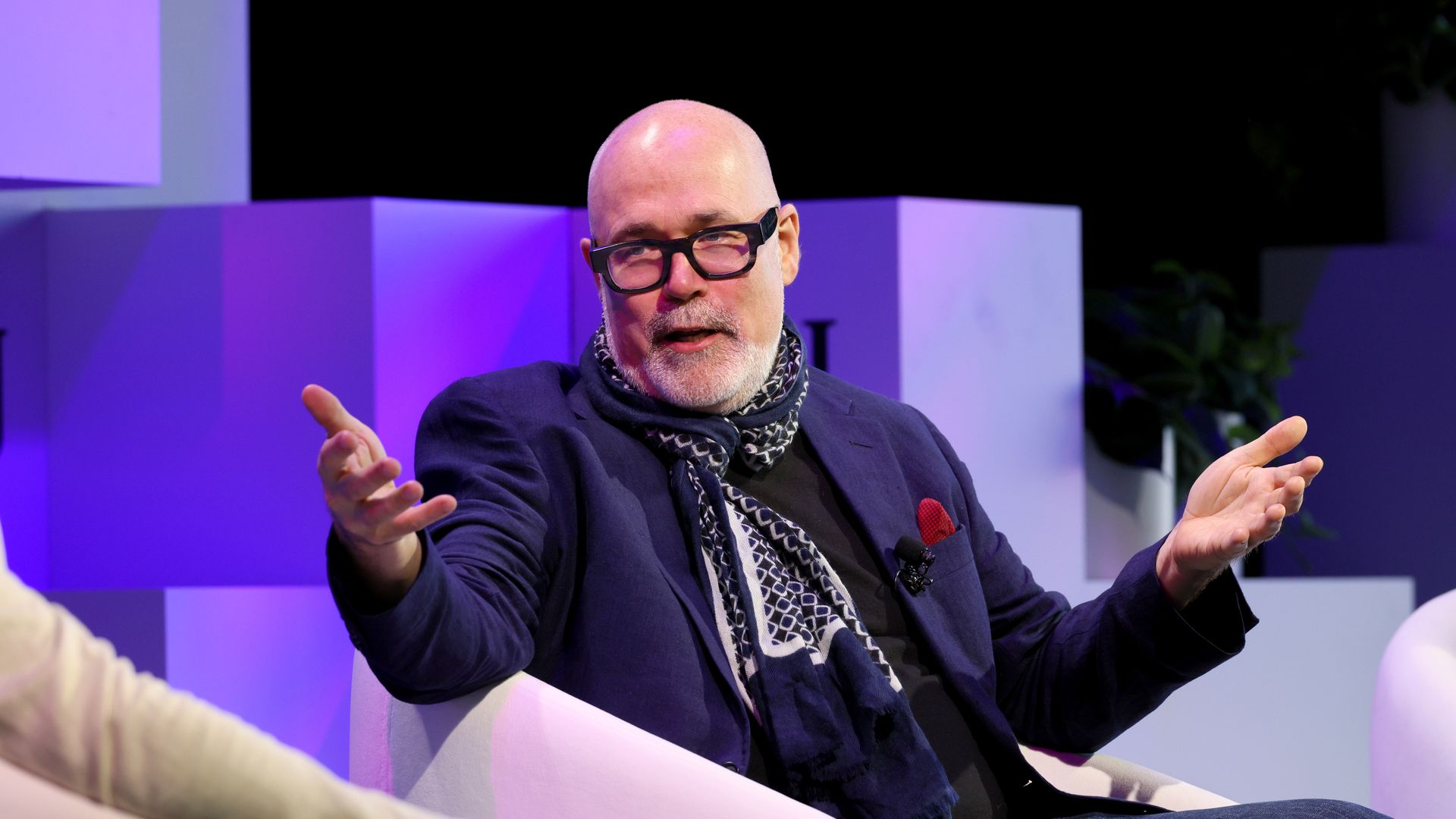
Mozilla's Mark Surman in May 2024. Photo: Dia Dipasupil/Getty Images
LISBON — Mozilla wants to do for AI what it did for the web — promote decentralized, open-source systems cautiously, president Mark Surman told Axios during an interview at Web Summit in Portugal.
Why it matters: Mozilla's effort underscores the broader global debate over who controls the data and sets the rules in the AI era.
This conversation has been condensed and edited for clarity.
How are you thinking about AI regulation — in Europe with the AI Act, but also in the U.S.?
What you're seeing in the U.S. is what always happens with new technology. We're figuring out how to regulate it, just like we did with automobiles over decades.
- What's really interesting right now is industrial policy and how it intersects with AI.
- Because of global trade tensions, governments are thinking hard about tech sovereignty: how to build up their own AI and digital industries. If you want to know where real policy impact on AI will come from, watch that space.
How is Mozilla changing and adapting in the age of AI?
We're trying to bring Mozilla forward to do for AI what we did for the web era: decentralizing things, making open source the default, ensuring standards define the technology, and shifting AI in that direction.
- We're also launching a new social enterprise, essentially a Wikipedia for ethical training data, where communities own and share their datasets.
- Within Firefox (and even Thunderbird, our email client), we're looking at how to build AI into the browser — what we internally call the AI browser project.
So, no AI within the Firefox browser yet?
A little bit, but yes — cautiously. There's some AI functionality in Firefox already, but next year we'll have something called AI Window — or AI Mode. We're not sure what the final name will be.
- It'll be an opt-in, parallel version of the browser that does everything you see in Chrome or Edge — but differently. We'll do it in a way that gives you control over your data, is oriented toward privacy, and most importantly, gives you choice.
- You won't be locked into a single model like you are elsewhere. You'll be able to bring your own ChatGPT subscription, or choose Mistral, or pick an open-source model. You could even have different models for work and for home.
- Firefox Classic will stay for those who don't want AI features.
How is Mozilla's relationship with Google changing?
It's a complex relationship, they're a partner and also a competitor. They're our biggest source of revenue, but we're also one of their biggest critics. We've never been shy about that, whether it's YouTube algorithms or search defaults.
- It's a respectful tension. Both sides recognize the value of the relationship, and it's proven durable. In the end, both companies care about the open web, and that shared incentive matters as we enter the AI era.
