Epstein co-conspirator Maxwell plans new challenge to her 20-year sentence

Add Axios as your preferred source to
see more of our stories on Google.
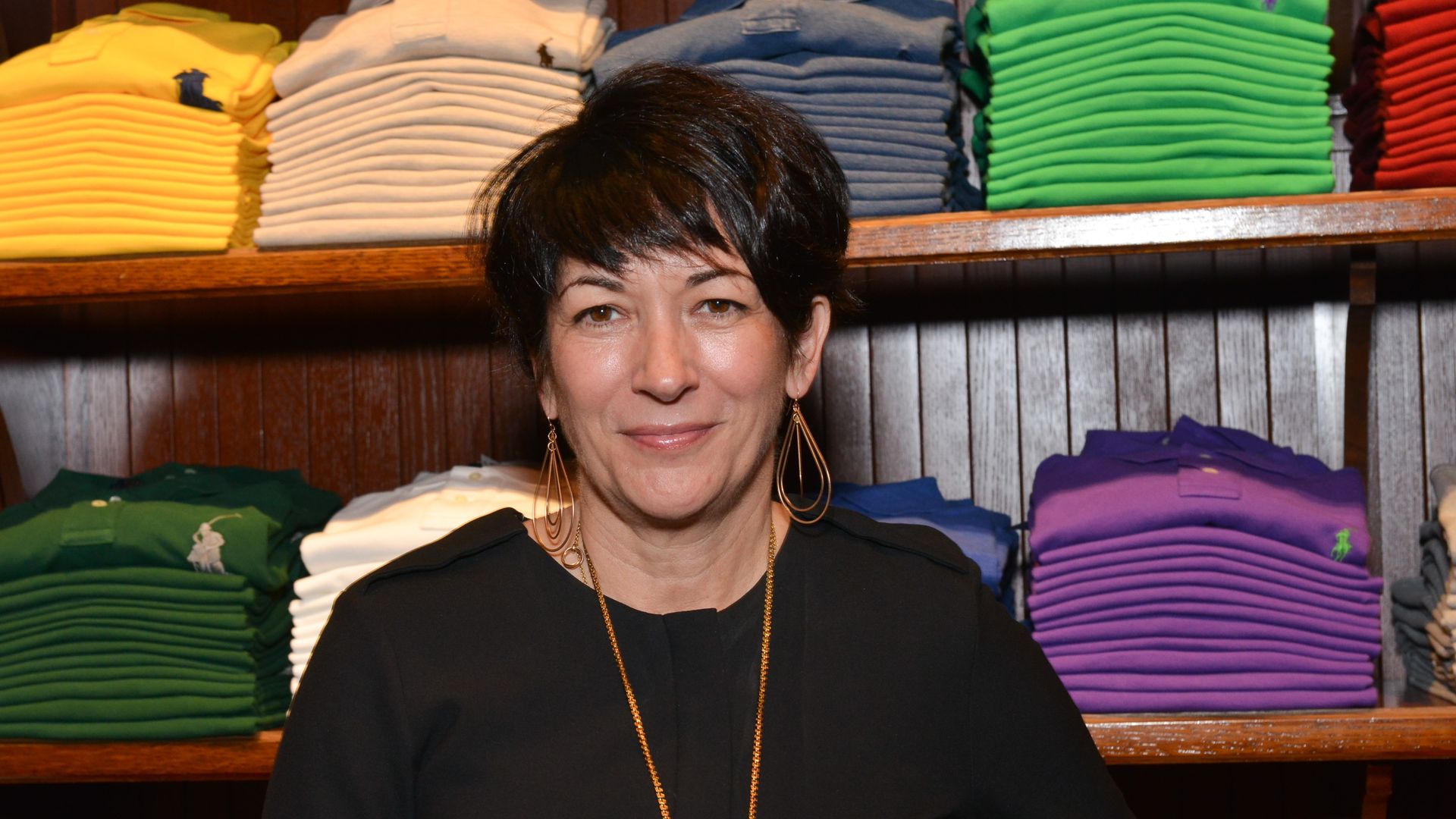
Ghislaine Maxwell, now serving a 20-year prison sentence as a convicted sex offender, at a Polo Ralph Lauren event on Nov. 3, 2015 in New York City. Photo: Jared Siskin/Patrick McMullan/Getty Images)
Convicted sex offender and Jeffrey Epstein co-conspirator Ghislaine Maxwell is planning to file a habeas corpus petition seeking review of her 20-year prison sentence.
The big picture: Maxwell's attorney, Leah Saffian said in a statement Friday that the petition presents new evidence unavailable during Maxwell's 2021 trial, that she claims would have "had a material impact on the trial's outcome."
- Saffian also criticized Rep. Jamie Raskin (D-Md.), who earlier this week sent President Trump a six-page letter outlining whistleblower claims that Maxwell was preparing to seek a commutation from him.
- "Any effort by BOP to intimidate, silence, or retaliate against anyone, including inmates and staff with information on Ms. Maxwell's outrageous preferential treatment is unacceptable," a House Judiciary Democrats spokeswoman told Axios. Raskin is the ranking Democrat on the committee.
- "Judiciary Democrats will continue to demand answers and expose the truth as we get to the bottom of the effort to cover up this Administration's obscene coddling of a convicted sexual trafficker and abuser."
Yes, but: Saffian denied that Maxwell had requested a commutation or pardon, but Raskin only alleged she was in the process of assembling a commutation.
- Until this week, Trump had said he wouldn't rule out pardoning his former Palm Beach associate.
Reality check: Habeas petitions are rarely successful.
- Roughly 12,000 are filed annually, but just over 10% succeed in capital cases, and fewer than 1% in others, per the Brennan Center for Justice.
State of play: The whistleblower alleged that Maxwell had been receiving "concierge-style treatment" in prison, including private meetings with visitors, expanded computer access and customized meals, according to Raskin's letter.
- Saffian said employees at the minimum-security prison camp in Bryan, Texas, who improperly accessed the email system inmates used to communicate externally have been terminated.
- Saffian said the emails Raskin released disclosed privileged attorney-client discussions.
- She added that disclosing emails between Maxwell and her family members, which were shared with Raskin and later the media, violated the First, Sixth and 14th Amendment rights of all prisoners.
What they're saying: "(The petition) also demonstrates unequivocally that significant government – and juror - misconduct occurred pre-, during and post-trial, making the verdict at the very least unsafe," Saffian said in the statement.
- "It shows that Ms Maxwell has every right to expect rapid and meaningful relief from the court, thus potentially obviating the need for any further action relating to her imprisonment."
- The Justice Department and Bryan prison did not immediately respond to Axios' request for comment.
Flashback: Maxwell previously sought to overturn her sentence on the grounds that she was unlawfully prosecuted, but the Supreme Court declined her appeal last month.
Go deeper: Why Ghislaine Maxwell is suddenly at the center of the Epstein case
Editor's note: This story has been updated with comments from House Judiciary Committee Democrats.
