Exclusive: OpenAI hires black hole physicist in broader science push

Add Axios as your preferred source to
see more of our stories on Google.
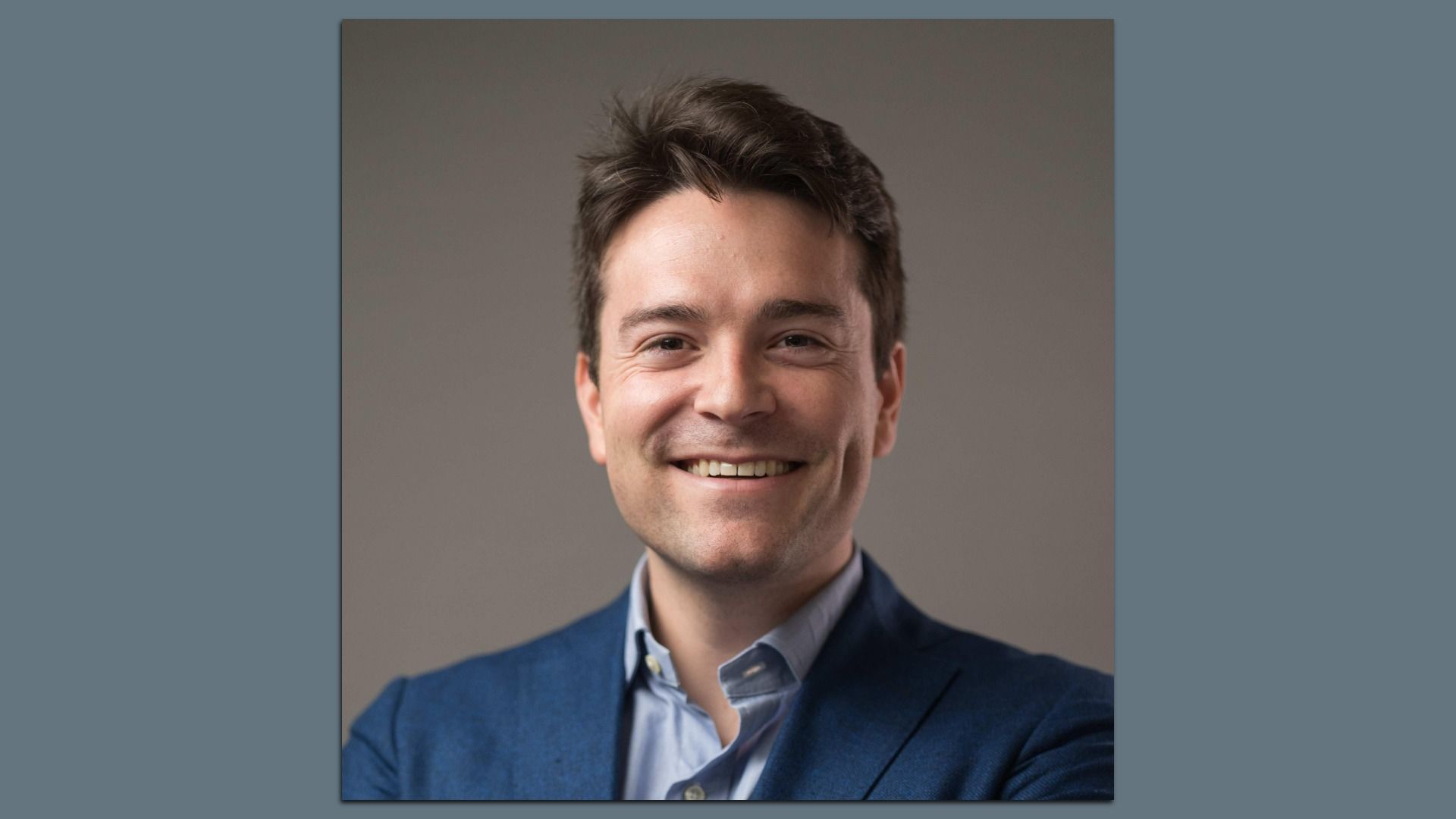
Alex Lupsasca Photo: OpenAI
Prize-winning black hole theoretical physicist Alex Lupsasca has joined OpenAI's new science team, Axios has learned.
The big picture: Lupsasca is the first person to join the OpenAI for Science initiative led by Kevin Weil. In addition to his post at OpenAI, Lupsasca will continue his current job as a professor at Vanderbilt University.
Between the lines: OpenAI's new hire signals an intent to deepen its scientific bona fides beyond being the world's most popular chatbot and AI video app.
- The company already uses its AI models to explore scientific problems, starting with math and physics.
- Lupsasca will help shape OpenAI's research direction in theoretical physics and guide how frontier models tackle complex, multi-step scientific reasoning.
- He'll also collaborate closely with the academic community.
State of play: OpenAI hopes its new science initiative will deepen the company's credibility among researchers and allow them to compete more directly with other AI labs pursuing scientific discovery.
- Google DeepMind's AlphaFold revolutionized protein structure prediction, and on Thursday DeepMind announced a partnership to to help speed up fusion science.
- Anthropic recently established its own science initiative to accelerate research by providing free API credits to researchers.
Catch up quick: In the past year the ChatGPT maker has announced physics and biology partnerships with the U.S. National Labs and worked with Retro Biosciences to use a specialized GPT model for protein engineering.
What they're saying: As a theoretical physicist, Lupsasca says "I used to believe that it would take a long time before AI could meaningfully contribute at the research frontier."
- GPT-5 can tackle astrophysics problems that would take talented graduate students days to approximate, Lupsasca told Axios in a statement.
- Weil, OpenAI's VP of science, says GPT-5 can already perform "limited novel scientific research."
- "But remember: the AI model you're using today is the worst AI model you'll ever use for the rest of your life," Weil says. "The future is bright and I'm excited to share more in the coming weeks."
The bottom line: From social video to shopping to hard science, OpenAI is morphing into an everything company that wants to take the AI lead in all aspects of our lives.
