Dupe culture disrupts retail as lawsuits surge over copycats

Add Axios as your preferred source to
see more of our stories on Google.
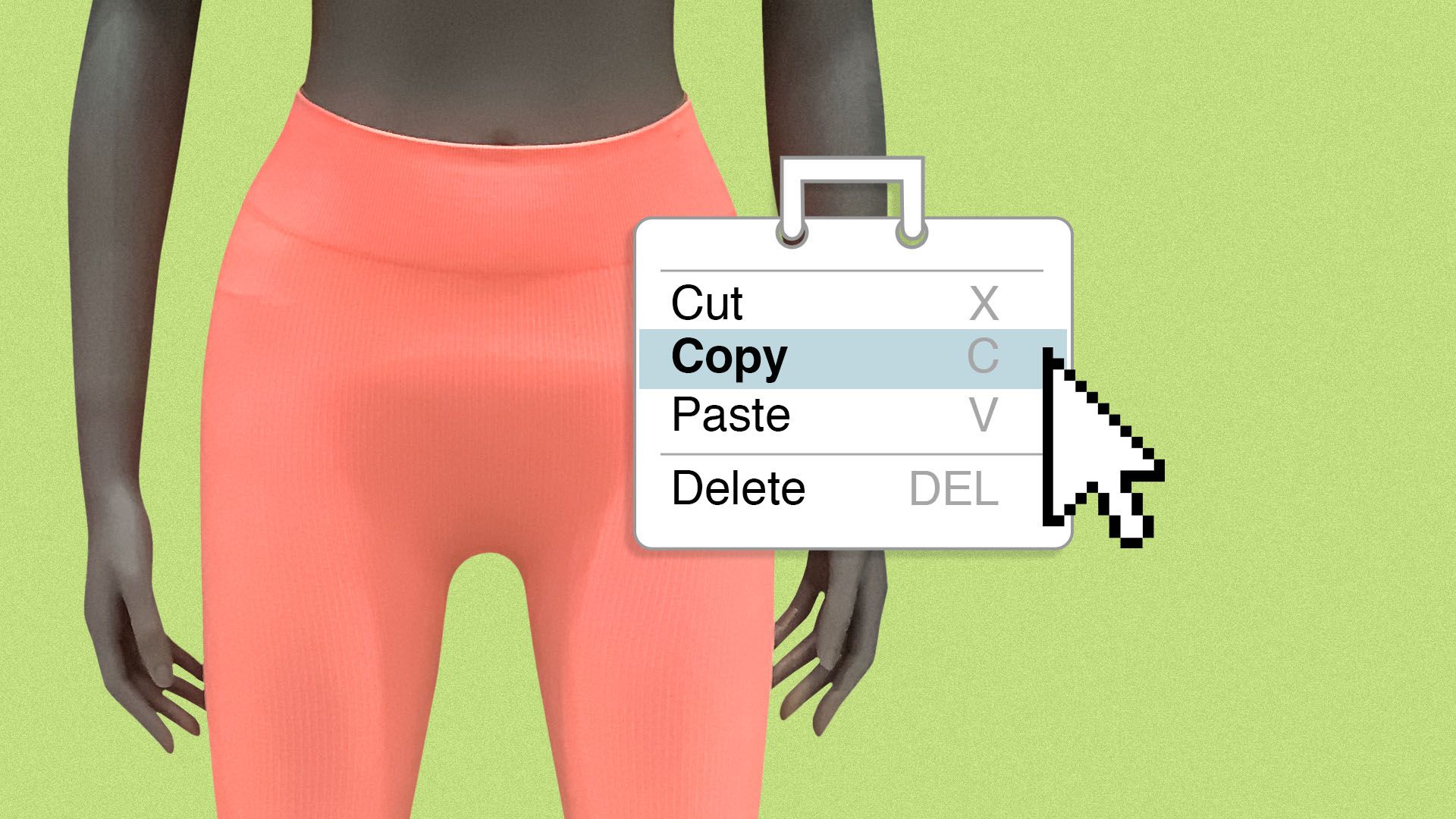
Illustration: Sarah Grillo/Axios
From viral leggings to Oreo lookalikes to counterfeit toys, dupes are reshaping retail and forcing brands — and courts — to react.
Why it matters: These cheaper products have exploded into mainstream shopping, driven by consumer hunger for lower prices, plus a heavy dose of social media hype.
The big picture: TikTok's #dupe hashtag has topped 5 billion views, filled with influencers showing off bargain finds that mimic $100 leggings, $300 perfumes or pricey purses.
- What was once whispered in places like NYC's famed Canal Street is now a badge of savvy shopping — especially for Gen Z.
State of play: Brands are trying their hardest to push back.
- Lululemon v. Costco: The athleisure giant says Costco's Kirkland brand sold copycats of its Scuba hoodies and ABC pants — jackets going for under $20 versus Lululemon's $100+.
- Mondelez v. Aldi: Oreo maker Mondelez sued Aldi, alleging its store-brand line "blatantly copies" Mondelez products like Chips Ahoy, Wheat Thins and Oreos. Lawsuit exhibits show Aldi's gold, red and blue boxes echoing national-brand designs.
- Labubu counterfeit crackdown: Pop Mart's cult figurine has been swamped with fake "Lafufu" toys. Unlike dupes, these are counterfeits — designed to deceive buyers — prompting U.S. and U.K. safety warnings and seizures by Chinese authorities.
What they're saying: "There is less of a stigma than in the past with wearing 'dupes' or 'lookalikes' — and also the notion of no one can tell the difference, so the dupe is just a good," Geoffrey Lottenberg, an IP lawyer with Berger Singerman, told Axios.
- Lawsuits like Lululemon's can backfire and "unintentionally endorse the quality of a dupe product," Karl Zielaznicki, a trademark lawyer at Troutman Pepper Locke, told Axios.
- "It's not that consumers suddenly want cheaper alternatives — they always have," Gartner retail analyst Brad Jashinsky told Axios. "What's different now is how easy social media makes it to find dupes."
Store brands: The dupe next door
Zoom in: Retailers have been doubling down on store brands to boost sales and keep prices low in the face of rising tariff pressures.
- Private labels are no longer bland generics — they're often near-identical to national brands in appearance, quality and packaging, but with a lower price tag.
- Many are made in the same factories as their national-brand counterparts.
- Packaging often signals familiarity, which drives sales but also invites legal risk.
By the numbers: Store-brand products cost about 20% less, with the price gap widening 38% since 2019, per Numerator's Private Label Perceptions report.
- U.S. store-brand sales hit $271 billion in 2024, nearly 4x faster growth than national brands.
- Costco's Kirkland Signature generates $86 billion in annual sales — more than Coca-Cola.
More dupes and lawsuits
What's next: Expect brands to file more lawsuits, but legal experts warn they're hard to win.
- Gen Z shoppers view dupes as savvy, not shameful.
- Some brands are adapting instead of fighting: e.l.f. Cosmetics has built a billion-dollar business on makeup dupes, while Trader Joe's thrives on private-label mimicry.
The bottom line: "Trademark and trade dress cases hinge on demonstrating a likelihood of confusion," Zielaznicki said.
- "Consumers often recognize and seek out dupe products as cheaper alternatives rather than the original, making confusion unlikely," he said.
