Fed's Powell: Rate cut was driven by rising risk to job market

Add Axios as your preferred source to
see more of our stories on Google.
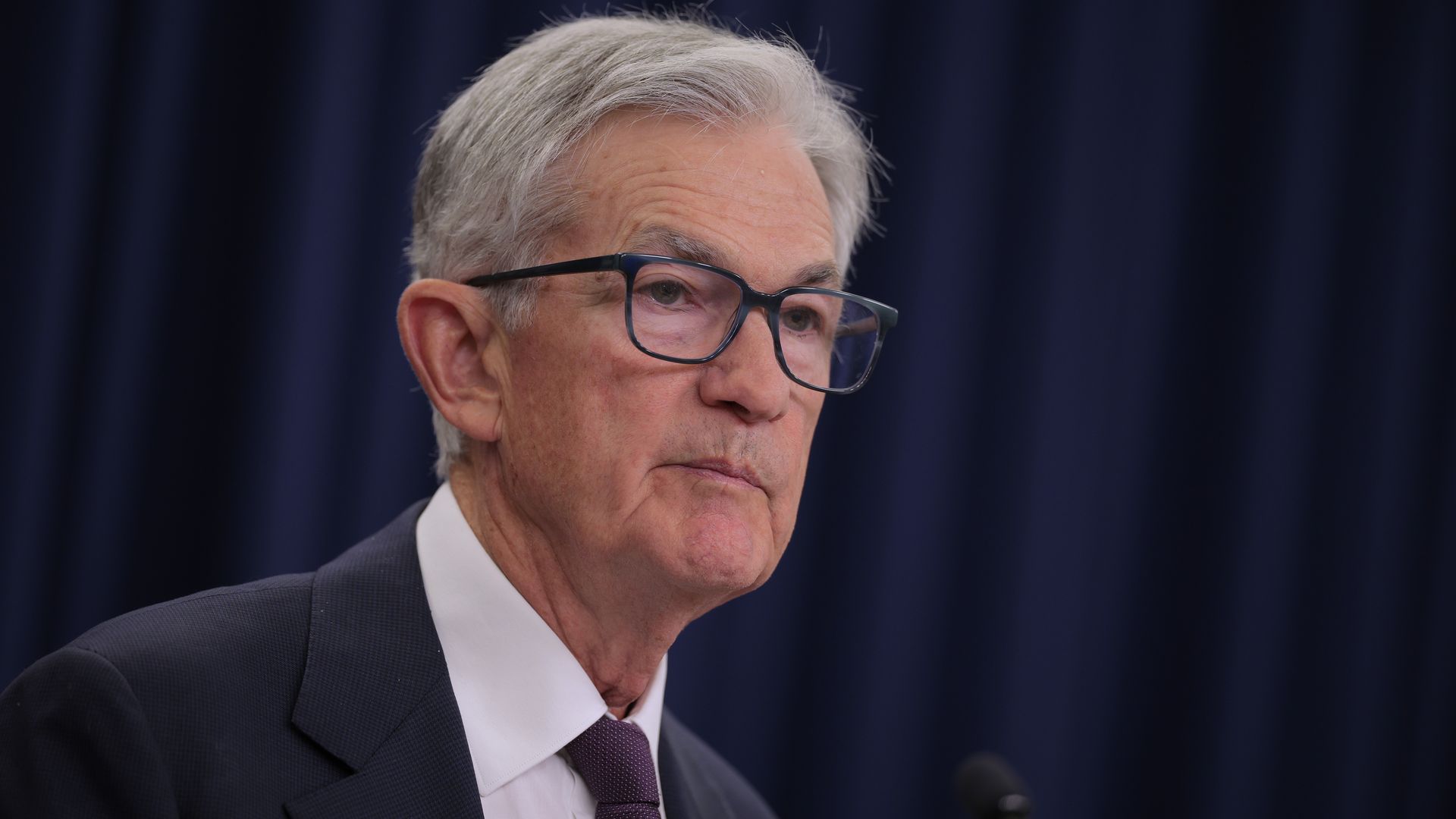
Fed chair Jerome Powell. Photo: Chip Somodevilla/Getty Images
The Federal Reserve cut interest rates last week due to concern that the job market is slowing, altering the balance of risks for the economy, chair Jerome Powell said in a speech Tuesday.
The big picture: The combination of a softening labor market and elevated tariff-driven inflation has made for a complex set of tradeoffs for the Fed — but Powell and his colleagues see the risks of the former as rising, hence a return to rate-cutting mode.
What they're saying: "Near-term risks to inflation are tilted to the upside and risks to employment to the downside—a challenging situation," Powell told the Greater Providence Chamber of Commerce, according to a prepared text.
- "The increased downside risks to employment have shifted the balance of risks to achieving our goals," he said.
- The Fed's policy committee "therefore judged it appropriate to take another step toward a more neutral policy stance," he said, though he also added that the central bank's "policy is not on a preset course."
State of play: In the last few months, the rate of payroll job growth has fallen sharply, though it is uncertain how much of that is due to less demand for workers by employers, and how much is due to restrictive immigration policy that means fewer workers are available.
- There "has been a marked slowing in both the supply of and demand for workers — an unusual and challenging development," Powell said.
- He added that in "this less dynamic and somewhat softer labor market, the downside risks to employment have risen," with job gains now running below the "breakeven" rate needed to keep the unemployment rate steady.
Yes, but: Powell noted that it is a "reasonable base case" that tariffs' effect on inflation will be short lived, " a one time shift in the price level."
- But he adds that "a 'one-time' increase does not mean 'all at once,'" and that this rise in the price level will likely show up as higher inflation over several quarters.
