Fed governor Miran: High rates risk unnecessary layoffs


Add Axios as your preferred source to
see more of our stories on Google.
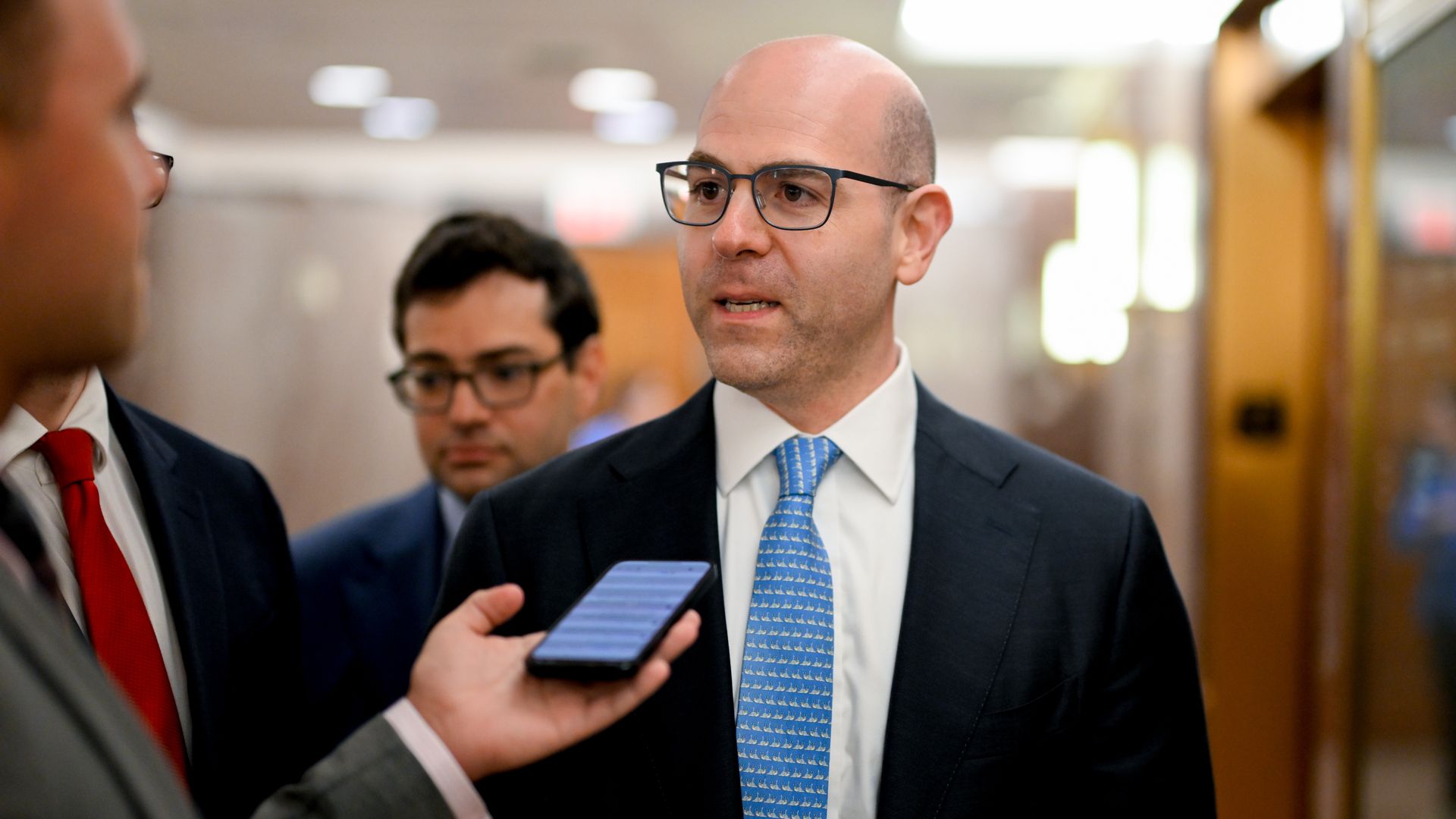
Fed governor Stephen MIran. Photo: Daniel Heuer/Bloomberg via Getty Images
Newly installed Federal Reserve governor Stephen Miran said the central bank should cut interest rates dramatically below current levels to avoid doing unnecessary damage to the job market.
Why it matters: Miran's views show the direction the White House is likely to push the Fed as President Trump appoints more members to its Board of Governors — including a new chair next year.
State of play: Miran has been a top White House economist and is on unpaid leave of absence from that role; the Senate confirmed him last Monday, just before the central bank's meeting where it cut interest rates.
- At the meeting, Miran dissented from his new colleagues, favoring steeper interest rate cuts and indicating he believes interest rates should end this year substantially lower than they are now.
What they're saying: "I view policy as very restrictive, believe it poses material risks to the Fed's employment mandate, and would like to explain why," Miran told the Economic Club of New York, according to a prepared text of the speech.
- "I believe the appropriate [federal] funds rate" — the rate the Fed targets — is in the mid-2 percent area, almost 2 percentage points lower than current policy."
- Leaving rates "roughly 2 percentage points too tight risks unnecessary layoffs and higher unemployment," Miran said.
Between the lines: Trump has put unprecedented pressure on the Fed to cut interest rates, seeking to install his own appointees.
- That has raised fears that his appointees would act on rates based on Trump's desires, not economic data.
- "I am being as transparent as I possibly can because of the concerns," Miran said on Monday in subsequent Q&A, adding that Trump has "never asked him" to set policy in any specific way.
- Miran said he would likely favor a half-percentage point cut at the Fed's next policy meeting, "as long as my current view remains."
Zoom out: Miran argues that the "neutral rate" — that is, the level of interest rates that neither boosts nor constrains the economy — is significantly lower than mainstream policymakers believe.
- Miran points to Trump-era policies that will result in less immigration, a higher national savings rate and deregulation — all of which push the neutral rate down to potentially rock-bottom levels.
- "Including the shocks I've considered, I get a new real [neutral rate] that is ... near zero," Miran says, though he cautions that this model should be taken "seriously, not literally."
The intrigue: That is the opposite view of many policymakers on the Fed who, in recent months, have edged their estimates of the long-term rate higher, not lower.
- "Monetary policy was not as tight as many believed," Miran said, citing previously strong immigration and fiscal spending. "That same effect may be taking place today, but in the opposite direction."
The other side: In a separate speech, St. Louis Fed president Alberto Musalem on Monday said there was limited room for further rate cuts as tariffs push inflation higher.
- Miran said he anticipates significant inflation relief from housing as immigration rates slow: "[N]et zero immigration going forward would imply 1 point lower rent inflation per year," he said.
Of note: Miran leaned on research from the Council of Economic Advisers, highlighting the tension between his current roles.
- "[W]hile I am relying partially on previous CEA research at the moment, I look forward to working more with [Fed] Board staff and their forecasts in the coming months," Miran said.
Editor's note: This story has been updated with context on Miran's appointment.
