How Fed cuts will impact mortgage, credit card and auto interest rates

Add Axios as your preferred source to
see more of our stories on Google.
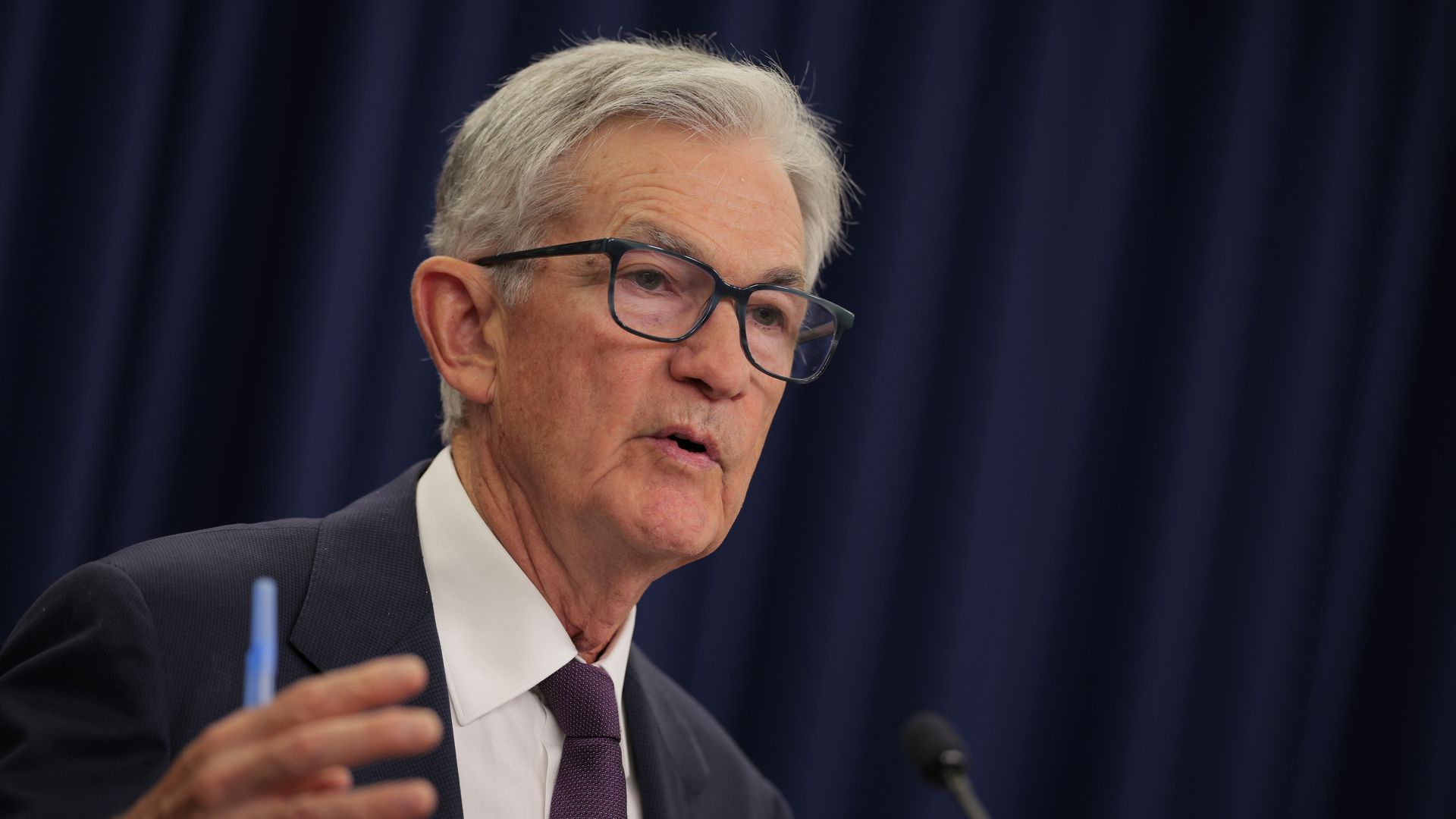
At a press conference on Wednesday, Fed chair Jerome Powell called this week's rate cuts "risk management." Photo: Chip Somodevilla/Getty Images
The Federal Reserve cut its target interest rate this week, but it might not solve the borrowing woes plaguing Americans.
Why it matters: Between a gloomy job market and rising inflation, Americans are looking for relief wherever they can — but even though the Fed has cut rates for the first time this year, it may not change much in terms of credit card and mortgage rates.
Driving the news: The Fed's policy panel, the Federal Open Market Committee, on Wednesday lowered the federal funds rate by a quarter point, to a range of 4 to 4.25%.
What they're saying: "I think you can think of this as a 'risk management' rate cut," Fed chair Jerome Powell said at a press conference on Wednesday.
- "Job gains have slowed, and the unemployment rate has edged up but remains low," the committee said in a statement. "Inflation has moved up and remains somewhat elevated."
Here's what to know about interest rates changes:
What to know about this week's interest rate cuts
State of play: The Fed's decision moves borrowing costs only back to levels from 2022, which at the time, were the highest in over a decade.
- "For the average American, a small change in rates will have little to no effect on their day-to-day lives," Amy Hubble, CFA and CFP at Radix Financial, told Bankrate.
The intrigue: Projections showed that in the median view of Fed officials, two more rate cuts will be warranted this year, but only one rate cut in 2026 — not the multiple percentage points worth of cuts that President Trump has been clamoring for.
Credit cards
The average credit card interest rate is 20.12%, per a Bankrate national survey.
- The Fed rates cut means that borrowers will likely see slight changes to how much debt they accrue within a few billing cycles.
- That's particularly useful to Americans who carry their credit card debt from one month to the next, which is nearly half of American cardholders, according to a recent Fed survey.
Reality check: Credit cards rates are shaped by your creditworthiness, income and state regulations of lenders, as well as by interest rates.
Car loans
Car loan rate changes aren't one to one with Fed ones, but they will typically go down when the Fed makes cuts.
- Auto loan rates are dictated by the time of year and depend on borrower factors like vehicle type and credit score, Bankrate noted.
- But Fed rate increases beginning in 2022 have lifted auto loan interest rates to their highest level in years.
By the numbers: A growing share of car owners are underwater on their auto loans, and they are dragging that debt into their next vehicle purchase, according to July data from car-shopping site Edmunds.com.
Mortgages
Mortgage rates have mostly been falling since the end of July off expectations for a Fed rate cut.
- The average rate on a 30-year mortgage was at 6.35% last week, its lowest level in nearly a year, according to Freddie Mac.
Yes, but: Mortgages are generally pegged on the 10-year note, which is still hovering above 4%.
Our thought bubble: Most corporations and individuals don't borrow money overnight, Axios' Felix Salmon noted last year.
- "When they borrow for long-term investments, including mortgages, the cost of money is priced off the 10-year Treasury yield."
Nathaniel Drake, senior associate at Fannie Mae, wrote in December that "as the rate on the 10-year Treasury note moves, mortgage rates follow suit."
- "The rate on the 10-year Treasury note is determined by investor expectations for shorter-term interest rates in the economy over the duration of the bond plus a term premium, which compensates investors for the risks associated with holding a longer-duration bond," he said.
- And the expectations of short-term rates are influenced by investor expectations for federal policy, economic growth, and inflation.
