Chinese cyber spies impersonated key U.S. lawmaker

Add Axios as your preferred source to
see more of our stories on Google.
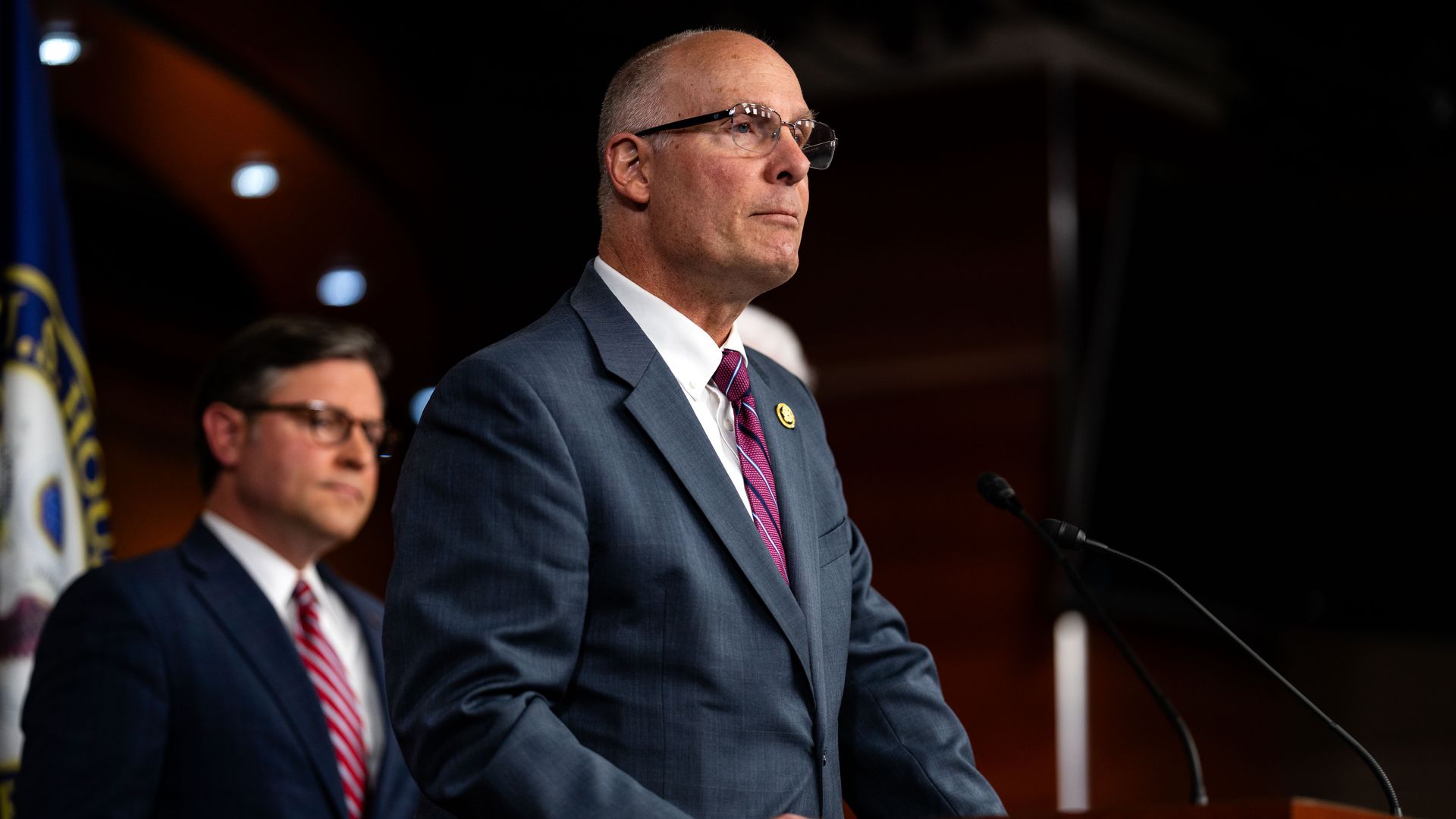
Rep. John Moolenaar (R-MI). Photo: Kent Nishimura/Getty Images
Suspected Chinese hackers impersonated the chair of the House China Select Committee in emails to people involved in ongoing U.S.-China trade policy negotiations as part of a spying campaign, a House panel said Monday.
Why it matters: The fraudulent emails were sent to a wide range of individuals, including those at U.S. government agencies, business groups, D.C. law firms and think tanks and at least one foreign government.
Driving the news: The House China committee confirmed the phishing attempt after a Wall Street Journal story broke the news over the weekend.
- Hackers sent emails purportedly from Rep. John Moolenaar (R-Mich.) to key leaders ahead of a meeting between U.S. and Chinese officials in Sweden this summer asking for input on draft legislation.
- However, the attached document, which was sent from a nongovernmental email address, was instead laced with spyware that would infect a victim's computer, according the Journal.
- The FBI and Capitol Police are both investigating the emails, and the malware in the emails has been traced back to a hacking group tied to Beijing's Ministry of State Security, per WSJ.
What they're saying: "This is another example of China's offensive cyber operations designed to steal American strategy and leverage it against Congress, the Administration, and the American people," Moolenaar said in a statement Monday.
- "We will not be intimidated, and we will continue our work to keep America safe."
- "While we are not commenting on any specific information, the FBI is aware of the situation, and we are working with our partners to identify and pursue those responsible," the bureau told Axios.
- A spokesperson for the Chinese Embassy in the United States did not immediately respond to a request for comment.
The big picture: China has been escalating its hacks against the United States, according to CrowdStrike.
- Trade tensions between the U.S. and China have also grown during the second Trump administration as the United States imposes new tariffs around the world.
