What's occupancy fraud, and why is Trump targeting federal officials over it?

Add Axios as your preferred source to
see more of our stories on Google.
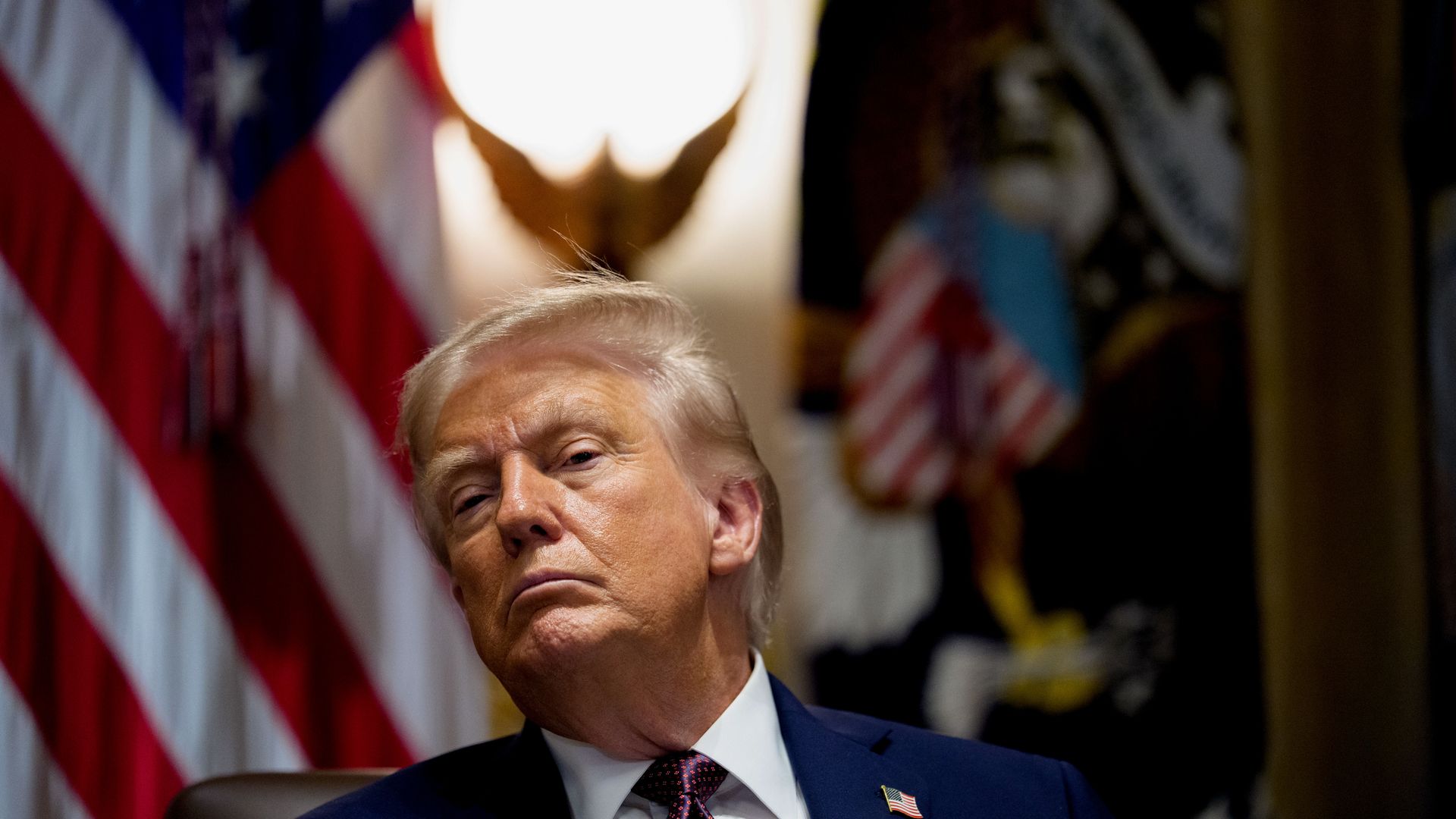
President Trump attends a Cabinet meeting on Aug. 26. Photo: Aaron Schwartz/CNP/Bloomberg via Getty Images
President Trump's attempt to fire Fed governor Lisa Cook is the latest example of the president using mortgage fraud investigations as a cudgel to threaten his political adversaries.
Why it matters: Trump could be setting a precedent that gives the president significant discretion to decide what meets the "for cause" standard for firing federal officials who have historically been protected from political intervention.
Driving the news: Trump claimed on Monday that a criminal referral issued by the Federal Housing Finance Agency alleging that Cook improperly named two homes as her primary residence is grounds for removal.
- Her attorney disputes that accusation and plans to challenge it in court.
Here's how the Federal Housing Finance Agency judges primary residence fraud:
What's occupancy fraud?
Occupancy fraud is when a loan borrower falsely states their intent to live in a home to "obtain more favorable loan terms" than they would receive when borrowing to buy a second or investment home, according to the FHFA.
Threat level: The consequences for misrepresenting details on a mortgage loan can be severe and may include prison time, restitution payments, state fines, and or probation, according to the agency.
- The FHFA oversees and trains various government entities such as Fannie Mae, Freddie Mac and Federal Home Loan Banks to detect and report mortgage fraud.
What they're saying: "If you commit mortgage fraud in America, we will come after you, no matter who you are," FHFA director William Pulte posted on X shortly after Cook was fired.
What's a primary residence?
Freddie Mac defines a primary residence as the residential property occupied by a homeowner for the majority of the year.
- The residence should also be the address of record for federal income tax returns, voter registration, occupational licenses and similar government reporting.
Yes, but: There are a few exemptions to when a borrower can claim more than one residence as their primary home, according to Fannie Mae.
- Military service members on "active duty and temporarily absent" from their homes can still be considered an owner-occupant.
- A parent providing housing for a child who is unable to work may still be considered the owner, as will a child providing housing for a parent incapable of qualifying for a mortgage of their own.
- Homes with multiple borrowers only need one borrower to live in the property to be considered occupants, unless otherwise stated in the mortgage agreement.
Who else has the president accused of occupancy fraud?
The president's long-running feud with Sen. Adam Schiff (D-Calif.) reignited last month when Trump called for Schiff to be prosecuted for alleged mortgage fraud.
- Schiff called the allegations a "baseless attempt" to smear him, and said they were "just Donald Trump's latest attempt at political retaliation."
The Trump administration also referred New York Attorney General Letitia James for criminal prosecution for alleged mortgage fraud in April, in what James' attorney called "improper political retribution" for the $465 civil fraud case James successfully brought against the president.
Go deeper: Trump vs. Fed hits critical point: If he can fire Cook, many others might follow
