SEC chair preparing a new ICOs and airdrops era

Add Axios as your preferred source to
see more of our stories on Google.
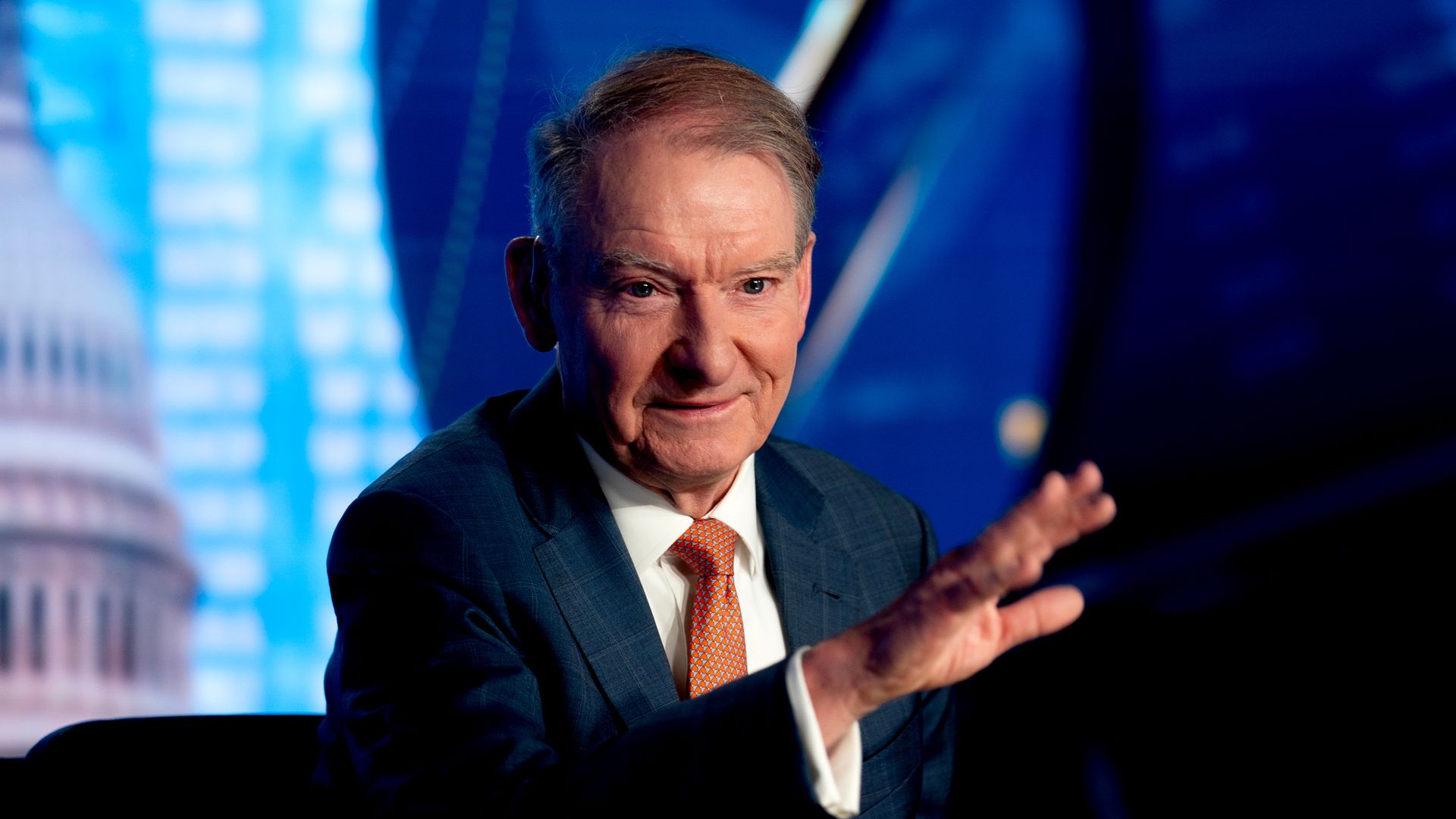
Paul Akins, SEC chair, in July. Photo: Stefani Reynolds/Bloomberg/Getty Images
Initial coin offerings are poised to make a big return, as new SEC chair Paul Atkins declared Thursday that the agency is all in on President Trump's push to make America the "crypto capital of the world."
Why it matters: The country's top financial markets regulator is moving fast to enact the policy recommendations made Wednesday by the White House's working group on crypto assets.
Driving the news: "Capital formation is at the heart of the SEC's mission, yet for too long the SEC ignored market demands for choice and disincentivized crypto-based capital raising," Atkins said in a speech Thursday before the America First Policy Institute.
- "I have asked staff to propose purpose-fit disclosures, exemptions, and
safe harbors, including for so-called 'initial coin offerings,' 'airdrops,' and
network rewards."
The phrase "initial coin offerings," also known as ICOs, is likely to set off alarms for some longtime market watchers.
Flashback: The ICO era of 2017 was a somewhat out-of-control time when many, many fly-by-night projects raised money off anyone and everyone with very little plan to get them done, or the know-how to do it.
- A few projects came out of that era that remain, such as the decentralized storage platform Filecoin; the blockchain Tezos, and the popular browser Brave.
- But there were hundreds of projects that went nowhere, leaving too-eager investors coming up short.
It's still a controversial period in crypto history, one many blockchain leaders look back on with regret.
Between the lines: Atkins makes it clear in his speech that, while the SEC's an independent regulator, he stands firmly behind Wednesday's White House report, "Strengthening America's Leadership in Digital Financial Technology."
- His direction to agency staff on rules to guide ICOs are one small part of what he called "Project Crypto," which he described as the agency's "north star" in aiding Trump's crypto push.
Reality check: ICOs never really disappeared though.
- Some companies, like the project now known as Hiro Systems, went through an arduous and expensive legal process to fully register their raise.
- And, just recently, meme coin juggernaut Pump.fun raised $600 million for its PUMP token via a multi-platform ICO that sold out in minutes.
- The crypto industry has also been reading the shifting signals on policy. Coinbase, for instance, recently acquired Liquifi, which looked like a move that anticipated more openness to this sort of fundraising.
What they're saying: "Most of the resistance to ICOs has been more the psychological stigma associated with it," Mason Borda, CEO of Tokensoft, which helps crypto projects raise money prudently, tells Axios.
- "It will certainly open up these offerings to a broader entrepreneurial base."
"A blockchain system has every aspect of its economic flows available for inspection in real time on chain, making them potentially more efficient than public markets are today," Tom Howard, head of financial products at CoinList, which also facilitates blockchain-based fundraising, tells Axios.
- "We expect that updating securities rules to reflect the technology available today will greatly improve capital formation and productivity within the U.S."
What we're watching: What kind of rules and limitations SEC staff might propose.
- We could imagine seeing, for example, a lighter registration process for fundraising for digital assets that will not ultimately be securities (no profit-sharing and no governance rights, for example).
- We could also imagine a different tier of accredited investor, specifically to certain kinds of digital asset markets.
The bottom line: If rules one day allow Americans beyond the 1% to participate in capital formation for new crypto projects, pre-launch, once more, it would be fair to say: ICOs are back.
