Gen Z influencers give RFK Jr.'s movement new edge

Add Axios as your preferred source to
see more of our stories on Google.
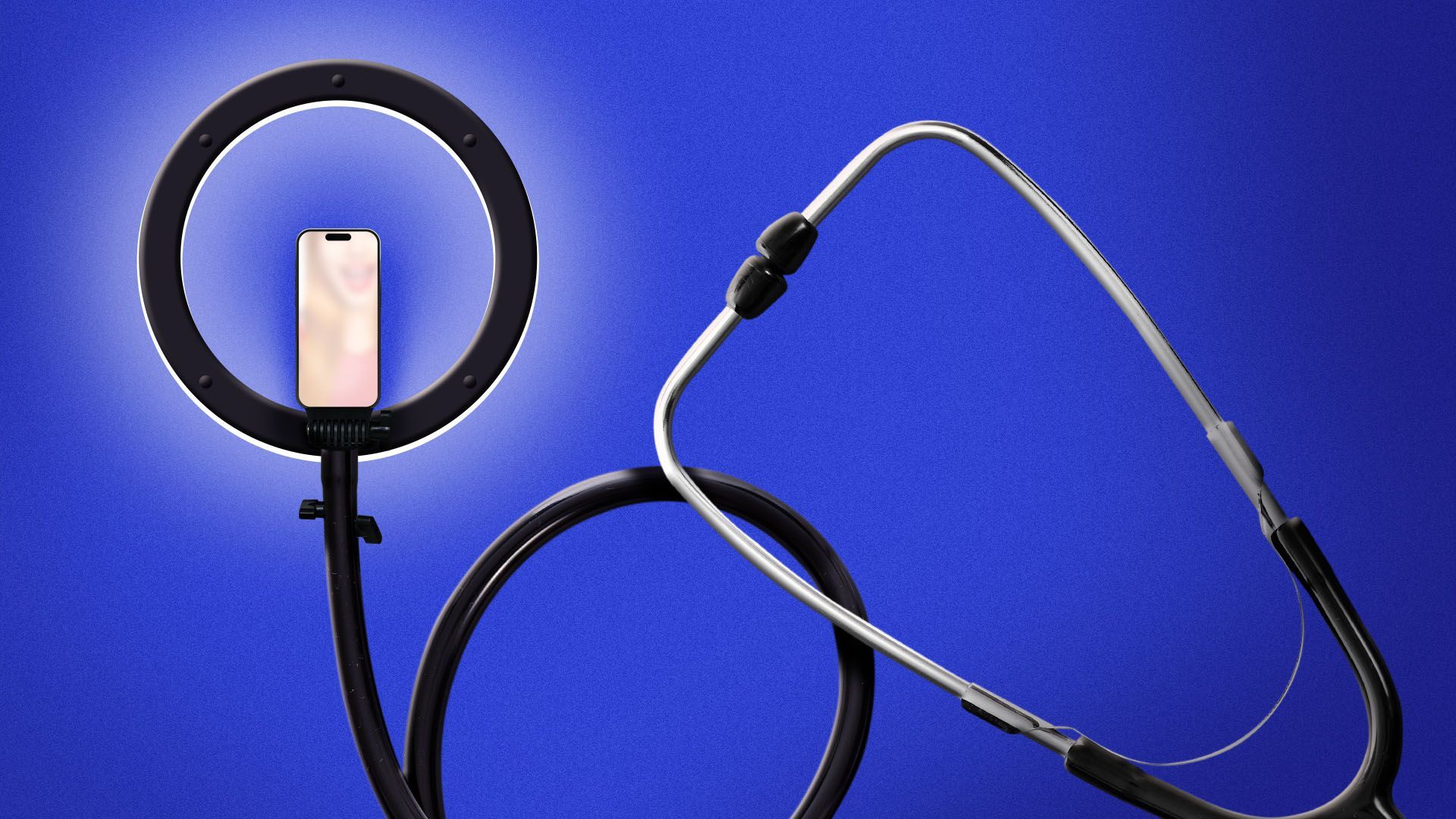
Illustration: Sarah Grillo/Axios
A new wave of teen influencers is gaining followers by touting ideas central to Robert F. Kennedy Jr.'s public health movement, adding a Gen Z edge to a following that's trended toward wellness entrepreneurs and so-called MAHA moms.
Why it matters: The distrust of Big Pharma and antiestablishment health messaging may create a convenient gateway into conservative politics for adolescents and young adults.
The big picture: Youth influencers are driven in part by concerns about chronic disease they see in their parents. The New York Times has even dubbed them "crunchy teens" for their embrace of natural living.
Case in point: Adolescents who've gained big followings on TikTok and Instagram include 17-year-old Ava Noe — a Make America Healthy Again supporter with the handle @cleanlivingwithava who has more than 27,200 followers— and 16-year-old Annika Zude, known online as @thatcrunchygirlannika, who has more than 38,600 followers.
- They're joined by peers like 19-year-olds Lexi Vrachalus and Grace Price, known as the MAHA Girls, who extol followers to "detox your life" and enumerate what they claim are harmful ingredients in consumer products.
- "Girls our age are looking for answers," Price told CNN. "They have this opportunity to take ownership of their health, or they're going to fall victim to Big Pharma and Big Food."
Between the line: The messaging syncs with Kennedy's agenda, down to advocacy of beef tallow and criticism of refined sugar.
- And the often female influencers offer a younger twist on "MAHA moms," who push health content around raising children in homes that are free of highly processed foods and, in some cases, vaccines and other pharmaceutical interventions.
- The convergence of wellness and politics was apparent at last month's Young Women's Leadership Summit, hosted by Turning Point USA, which featured influencers like Alex Clark, a millennial known for her podcast "Culture Apothecary" who testified at a Senate hearing on chronic illness, the Times reported.
- "What dipped my toe into all of this was the MAHA movement," Rhaelynn Zito, a nurse, told the Times, recounting her embrace of conservative ideals, as well as skepticism of vaccines and abortions.
Health communications experts warn much of the content contains misinformation and, in some cases, comes from minors passing themselves off as experts.
- "The teen MAHA influencers like Lexi and Grace do not have the expertise and training to discuss health topics online," Katrine Wallace, epidemiologist at the University of Illinois Chicago, who debunks questionable health claims, told Axios.
- She pointed to their criticism of fluoride and seed oils based on research they'd done online when scientifically validated studies don't support those positions.
- Health providers also worry about the unhealthy promotion of disordered eating wrapped in a veneer of health and wellness.
- "It's also important to recognize that the line between empowerment and misinformation can get blurry on platforms like TikTok, where personal anecdotes often substitute for evidence," A. Susana Ramírez, associate professor of public health communication at the University of California, Merced told the publication Parents about the trend.
What to watch: Whether these teen influencers start mobilizing young voters toward Kennedy and like-minded figures.
- It also remains to be seen how algorithms that serve up "clean-living content" respond to a growing amount of misinformation and sometimes fringe health advice coming from kids.
